

 English
  русский
  한국어
한국어  عربى
عربى 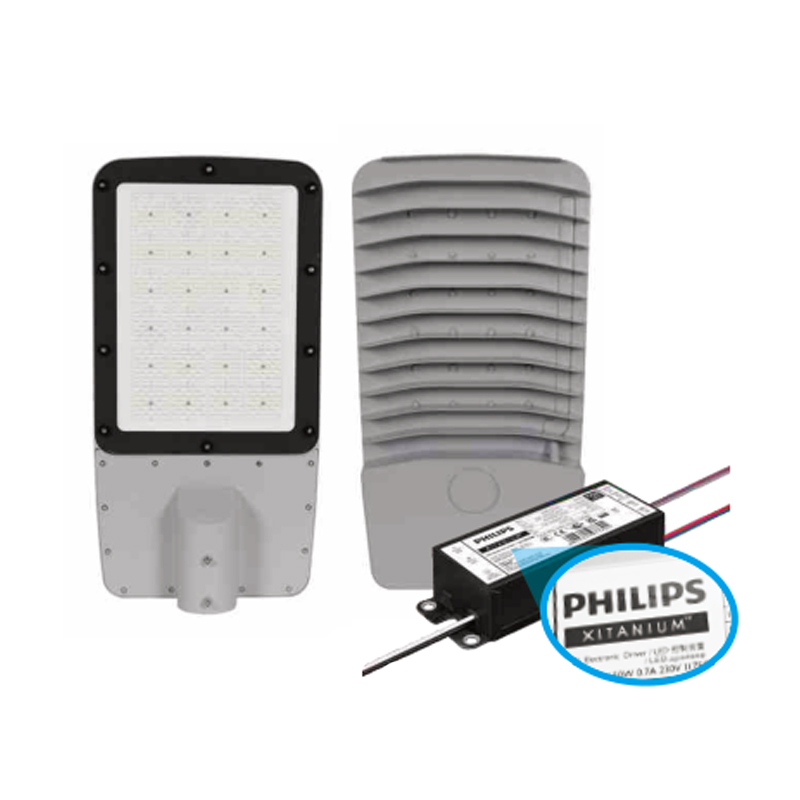








Track Spotlight systems continue to shape the way interiors highlight architectural and decorative features. Unlike fixed ceiling ...
READ MOREStreet Lights
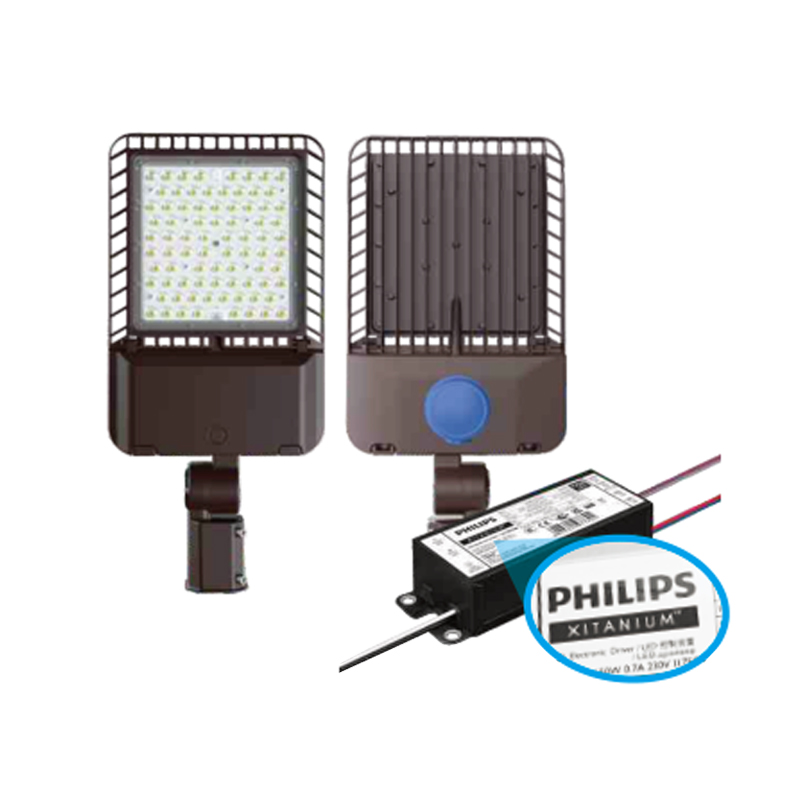
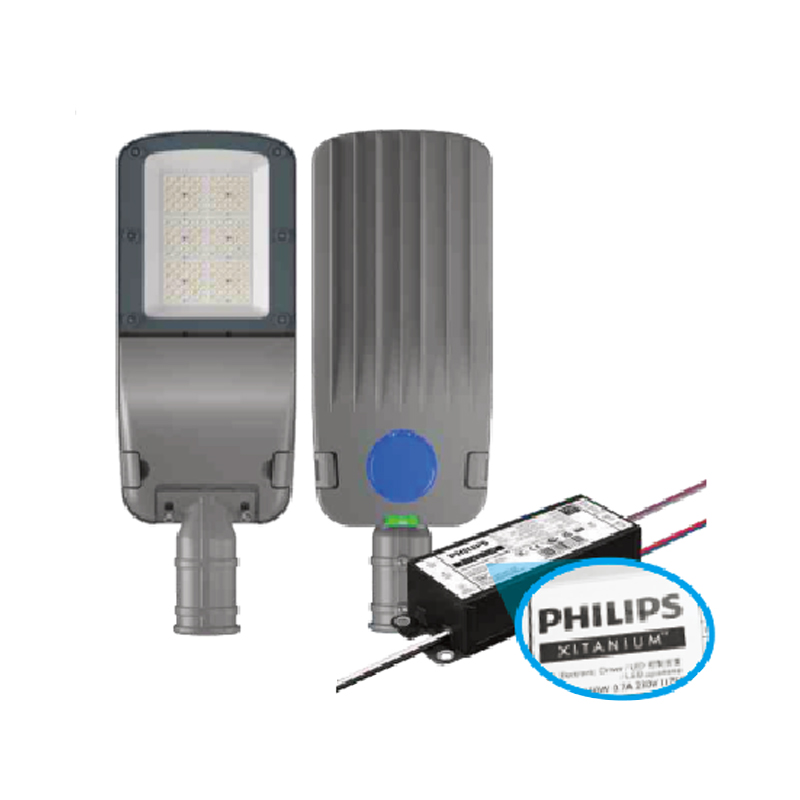
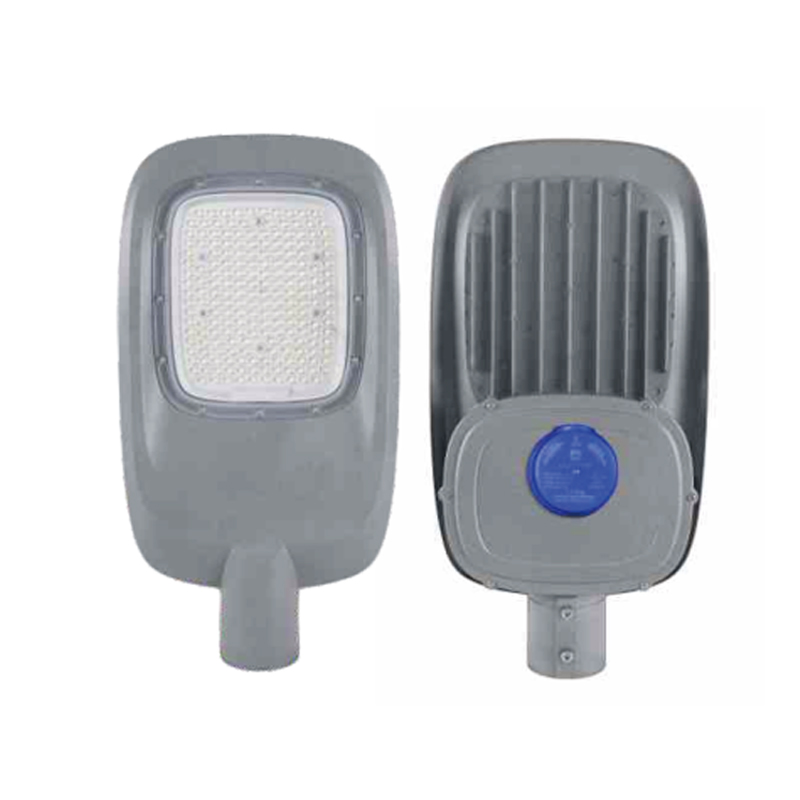
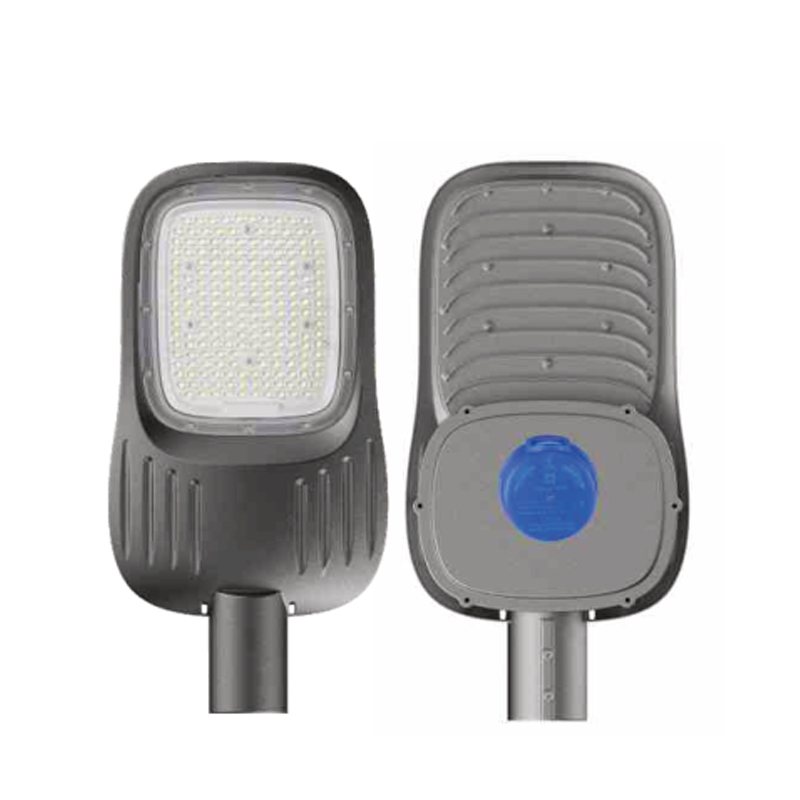
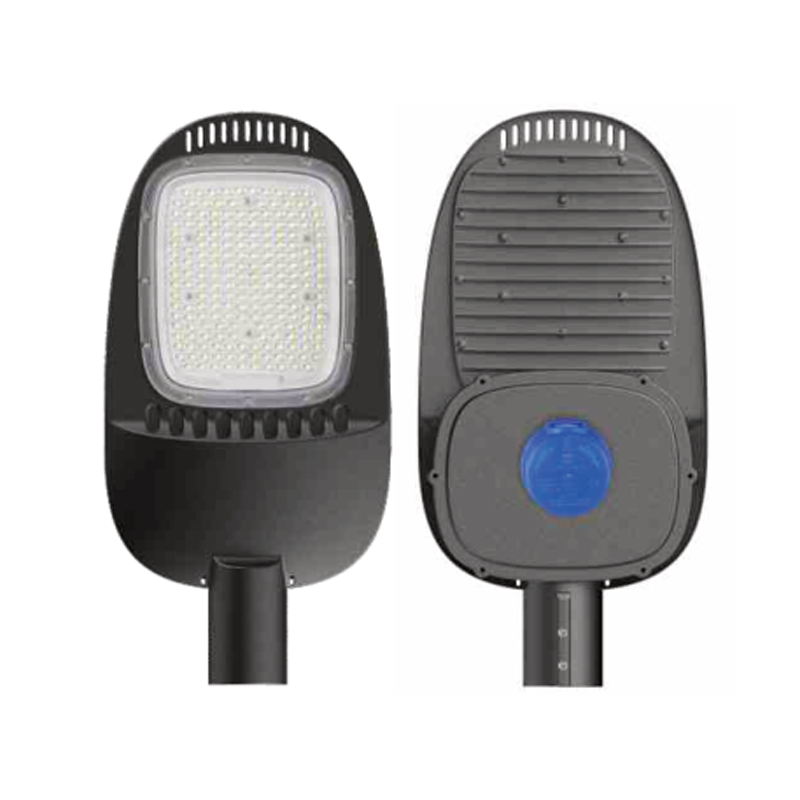
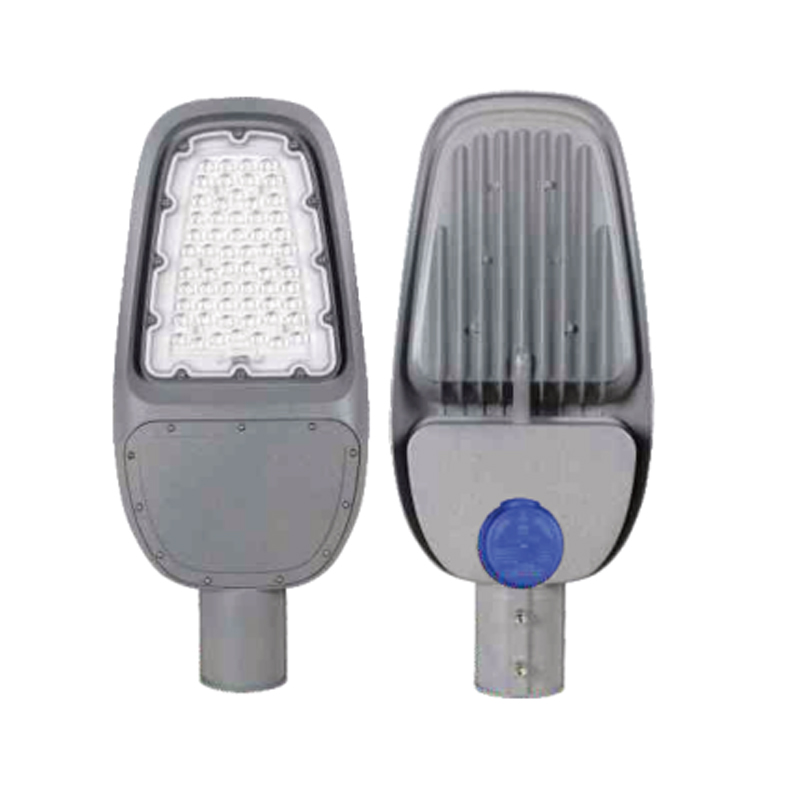
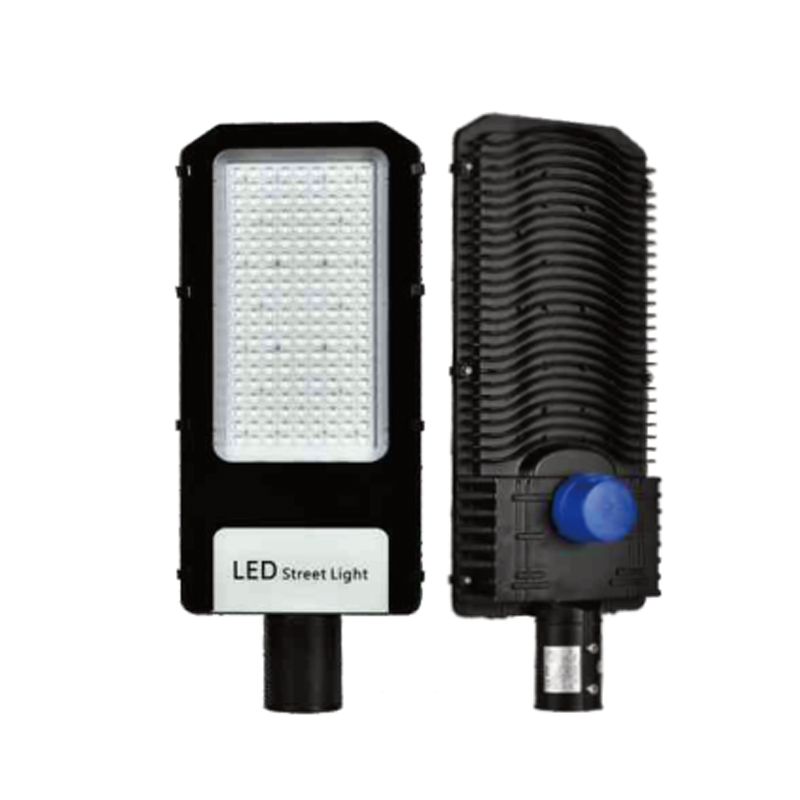
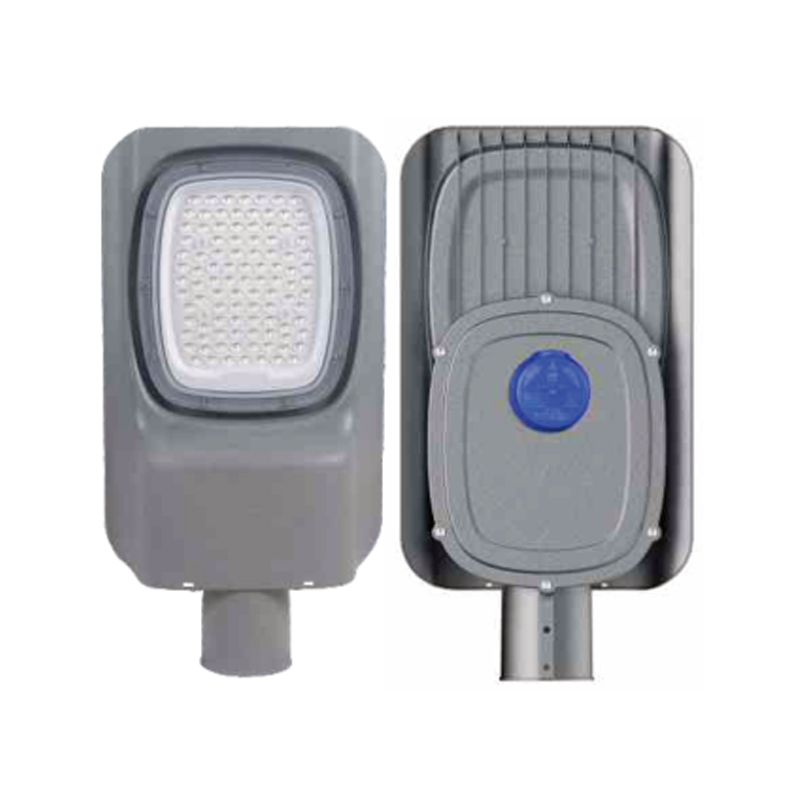
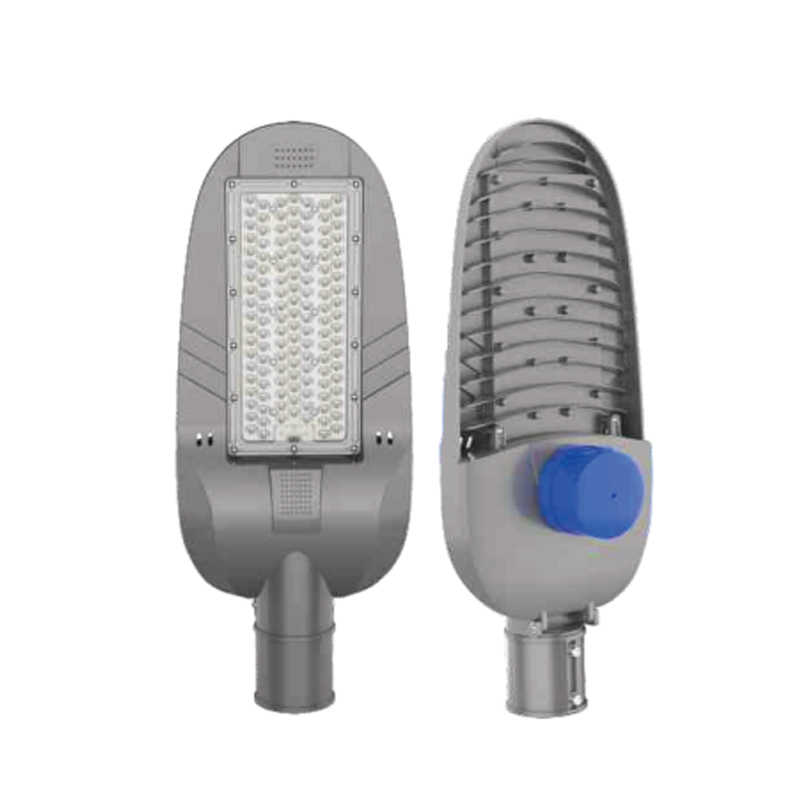
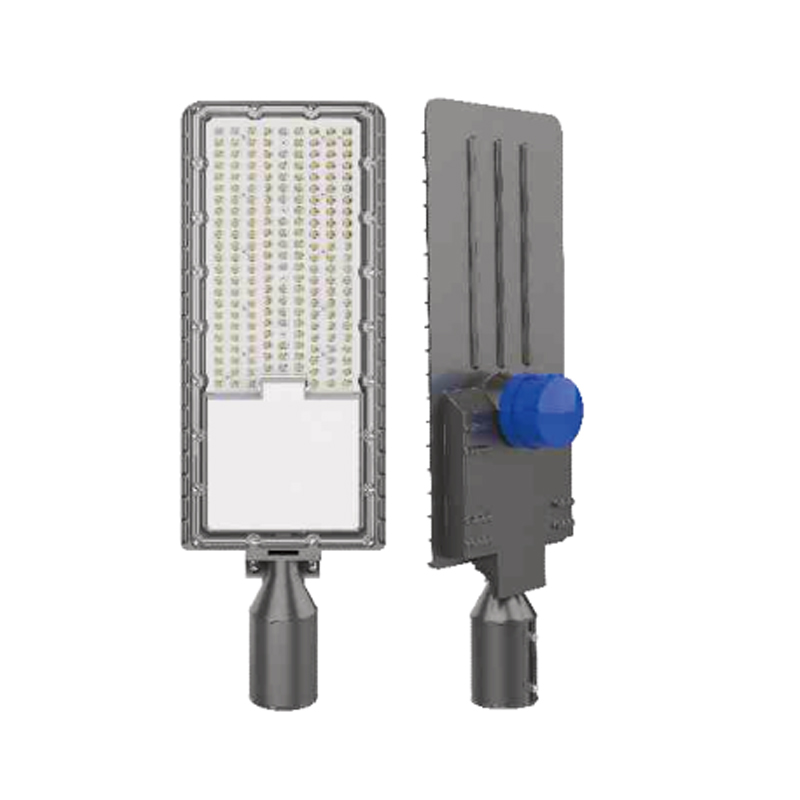
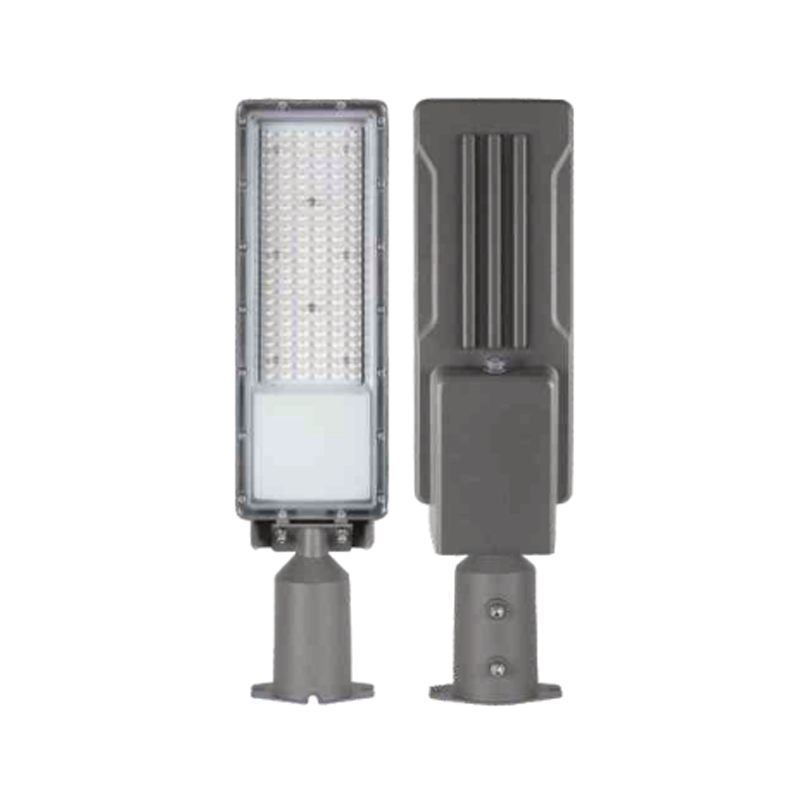
Street lights are outdoor lighting fixtures installed along roadways, sidewalks, and public spaces to enhance visibility, safety, and security during nighttime hours. These fixtures typically consist of a luminaire mounted on poles at regular intervals, providing uniform illumination across streets and pedestrian pathways. Street lights help drivers see road conditions, traffic signs, and potential obstacles, while also offering pedestrians a clearer view of their surroundings.
Modern street lights often utilize LED technology, which offers energy efficiency, long operational life, and lower maintenance requirements compared to traditional high-pressure sodium or metal halide lamps. LED street lights deliver consistent brightness and color rendering, improving visual clarity without causing excessive glare. Many municipalities choose fixtures with dusk-to-dawn sensors or programmable controls, allowing lights to switch on automatically at dusk and off at dawn, or to dim during low-traffic hours to conserve energy.
In addition to functional benefits, street lights contribute to urban aesthetics and community well-being. Well-lit streets can discourage crime and support night-time economic activity, such as dining or shopping. Designers can select pole styles, luminaires, and mounting heights to complement architectural themes or historical districts. Street lights play a vital role in creating safe, accessible, and inviting public environments after dark.
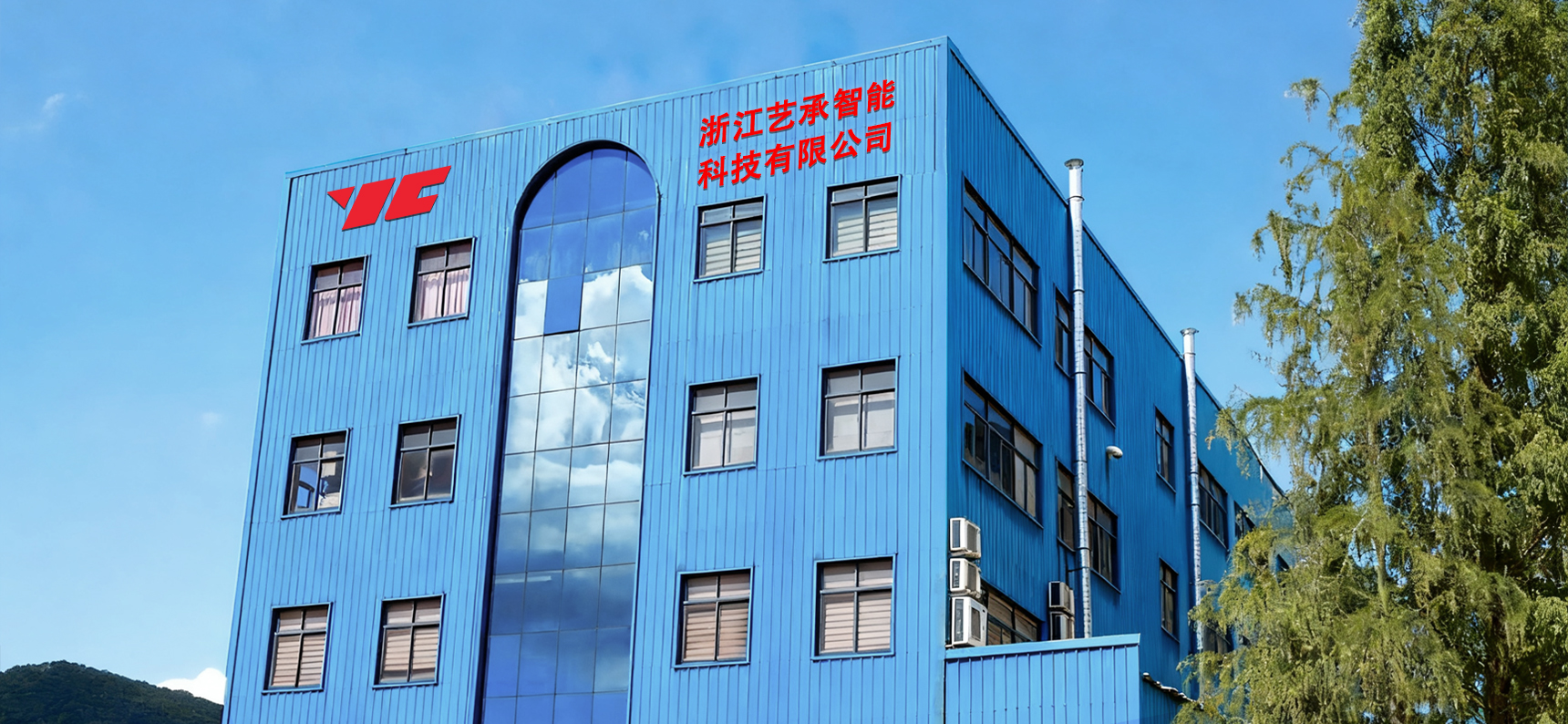
Zhejiang Yicheng Intelligent Technology Co., Ltd.
Founded in 2008, Yicheng Technology is one of China's earliest specializing in the R&D, production, and sales of Street Lights. For many years, Yicheng Technology has specialized in the Street Lights industry. Its products are manufactured under the ISO9001:2015 quality management system and have passed authoritative certifications, including the EU CE, ROHS, China 3C, CB, ERP energy consumption, Australian SAA, and Indian IBS. With rigorous R&D and strict production practices, Yicheng Technology offers a three-year warranty. Its business scope covers various countries and regions, and it has partnered with numerous renowned lighting brands, both domestically and internationally, for OEM/ODM services, earning widespread acclaim. Yicheng Technology also provides professional LED commercial lighting solutions.
-
0
Establishment
Founded in 2008, Yicheng has 17 years of experience in the industry.
-
0+
Current Employee
We have more than 200 employees, including 60 technical R&D personnel.
-
0m²
Factory Area
We have a large manufacturing plant to meet order needs
Certificate Of Honor
News
-
-
Smart Lighting has moved from a niche concept to a widely discussed feature in residential and commercial interiors. The shift ref...
READ MORE -
Understanding the Role of High Bay Light in Large Spaces High Bay Light fixtures are engineered to illuminate spaces with elevated...
READ MORE -
How Garden Light Enhances Outdoor Atmosphere Garden Light products have become a defining feature in residential and commercial la...
READ MORE -
Outdoor lighting must perform under conditions that change constantly. Rain, dust, temperature shifts, and extended operating hour...
READ MORE
Message Feedback
Industry knowledge
Street lights are a crucial component of urban infrastructure. Their primary function is to provide illumination for roads, streets, squares, and public spaces, ensuring traffic safety at night, enhancing the city's image, and fulfilling energy-saving, environmentally friendly, and intelligent management tasks in modern cities.
Basic Functions of Streetlights
Street light systems not only provide nighttime illumination but also serve multiple functions:
- Traffic Safety Assurance
Drivers, pedestrians, and cyclists need a clearly visible road environment at night. Properly placed streetlights can reduce the incidence of traffic accidents and improve nighttime driving safety.
- Urban Guidance and Identification
Streetlights not only illuminate roads but also enhance the visibility of the city's nightscape and improve road guidance through lighting design, pole styling, and color temperature selection.
- Landscape and Urban Beautification
As an important element of the urban landscape, streetlights can create a nighttime atmosphere through light color temperature, brightness, and luminaire design, enhancing the city's image and cultural characteristics.
- Energy Saving and Environmental Protection
Using LED light sources, intelligent control, and timed switching, modern streetlight systems can significantly reduce energy consumption, small light pollution, and lower operating and maintenance costs.
- Intelligent Management and Remote Monitoring
Modern streetlight systems integrate Internet of Things (IoT) technology, enabling remote monitoring, fault alarms, brightness adjustment, and energy management, improving management efficiency and the city's level of intelligence.
Classification and Applications of Streetlights
Based on installation location, lighting method, and functional requirements, streetlights can be divided into the following categories:
- Main Road Streetlights
Mainly used on urban main roads and highways, requiring uniform illumination, high brightness, and large coverage area. LED streetlights or high-pressure sodium lamps are commonly used, and energy-efficient street lamps are widely applied in this type, significantly reducing energy consumption.
- Secondary Road and Branch Road Streetlights
Used on secondary roads and residential streets, emphasizing comfort and visual softness while ensuring basic safety lighting.
- Square and Public Space Lights
Mainly used in urban squares, parks, and important public spaces, combining illumination and landscape beautification functions. Floodlight streetlights are often used in squares, fountains, or for illuminating the facades of large buildings, providing high-brightness coverage and visual impact.
- Special Function Lights
Including tunnel lights, pedestrian overpass lights, bridge lights, and underpass lights, meeting the lighting needs and safety standards of specific scenarios.
- Decorative Street Lights
Primarily intended to beautify the city's nightscape, such as landscape lights, sculptural lights, and uniquely designed lights, enhancing nighttime visual effects through color temperature, brightness, and luminaire design.
Common Street Light Specifications Table
| Luminaire Type | Light Source Type | Power (W) | Protection Rating | Control Method | Main Use |
| Floodlight Street Light | LED / Metal Halide Lamp | 100-1500 | IP65 | Manual/Timer/Smart | Squares, building facades, bridge lighting |
| Energy Efficient Street Lamp | LED | 30-300 | IP65 | Smart Control / Timer / Light Contro | Energy-efficient lighting for main roads, secondary roads, and urban roads |
| High Mast Light | LED / Metal Halide Lamp | 500-2000 | IP65 | Control Panel / Remote Monitoring | Highways, squares, docks |
| Road Light (Standard Street Light) | LED / High-Pressure Sodium Lamp | 50-250 | IP54-IP65 | Light Control / Timer | Main roads, branch roads, residential areas |
| Pedestrian Path Light | LED | 10-50 | IP44 | Light Control / Timer | Sidewalks, pedestrian streets, parks |
| Decorative Street Light | LED | 10-100 | IP44-IP65 | Timer / Smart | Parks, landscapes, urban nightscape beautification |
The table shows the light source, power, protection rating, control method, and main uses of different types of street lights. Floodlight Street Light and Energy Efficient Street Lamp appear several times, highlighting their representativeness and application scenarios.
Technical Characteristics of Street Lights
Modern street lighting systems integrate multiple technological innovations:
- High Brightness and Optimized Luminous Efficiency
LED light sources have high luminous efficiency, uniform illumination, and dimmable characteristics, meeting the needs of different road types and safety requirements.
- Energy-Saving and Environmentally Friendly Design
Energy Efficient Street Lamps use low-energy LED light sources, combined with intelligent control and timed switching, to achieve significant energy savings.
- Intelligent Control and Remote Management
Through IoT technology, street lights can be remotely monitored for power usage, fault status, and brightness adjustment, enabling city-level management.
- Weather Resistance and Durability
The street light housing adopts anti-corrosion, anti-ultraviolet, and waterproof design, ensuring long-term stable operation of the luminaires in wind, rain, snow, frost, and high-temperature environments.
- Optical Design and Uniform Illumination
Through reflectors, lenses, and optical design, the light is evenly distributed, reducing glare and light pollution, and improving driving and walking experiences.
The Role of Streetlights in Traffic and Urban Management
- Improving Nighttime Traffic Safety
Nighttime driving and walking pose higher risks; evenly illuminated streetlights can reduce traffic accidents and pedestrian falls.
- Enhancing Urban Nightscape and Aesthetic Appeal
Floodlight Street Lights are used for accent lighting on squares, bridges, and building facades, creating visual focal points and enhancing the city's image.
- Energy Saving and Sustainable Development
LED streetlights and energy-efficient street lamps significantly reduce energy consumption and carbon emissions, aligning with the modern city's sustainable development philosophy.
- Intelligent Urban Management
Through centralized control systems and IoT monitoring, city managers can monitor streetlight status in real time, perform remote dimming, receive fault alarms, and plan maintenance, improving management efficiency.
- Public Safety and Surveillance
Well-lit streets at night can reduce crime rates and increase citizens' sense of safety during nighttime activities, while also enhancing crime prevention capabilities in conjunction with surveillance cameras and other monitoring facilities.
Streetlight Design Principles
Rational streetlight design requires considering the following factors:
- Illuminance and Uniformity
Different road types need to meet specified illuminance requirements, ensuring uniform lighting on roads and sidewalks, avoiding areas that are too bright or too dark.
- Color Temperature and Comfort
Streetlights should use neutral white or warm white light to reduce glare and improve visual comfort and nighttime visibility.
- Safety and Protection
The luminaire structure should be robust, with strong wind resistance, waterproofing, and corrosion resistance to ensure long-term safe operation.
- Energy Saving and Intelligence
The luminaires should incorporate light control, infrared sensing, and timers for automated management, achieving energy efficiency and environmental protection.
As an important component of urban infrastructure and smart cities, streetlights not only fulfill the function of lighting but also involve safety, aesthetics, energy saving, and intelligent management. Floodlight Street Lights provide focused lighting in squares, bridges, and building facades, while Energy Efficient Street Lamps provide energy-efficient and safe lighting in roads and residential areas.
-
[email protected]

-
+86-18966108111 / +86-13325868369

-
No. 306, Building 13, Yanjiang Industrial Park, Linhai City, Taizhou, Zhejiang Province