

 English
  русский
  한국어
한국어  عربى
عربى Garden Light Brings Charm to Pathways
Industry News-How Garden Light Enhances Outdoor Atmosphere
Garden Light products have become a defining feature in residential and commercial landscapes. Once considered a simple outdoor accessory, today’s garden lighting plays a central role in shaping visual identity and spatial experience after sunset.
Soft illumination along pathways introduces depth and structure. When placed near shrubs, sculptures, or textured walls, a Garden Light can highlight shapes and create layered shadows. This interplay between light and surface adds dimension to flat spaces. In social areas such as patios or decks, lighting contributes to a welcoming ambiance that encourages gatherings and extended outdoor time.
Architectural elements also benefit from carefully positioned fixtures. Columns, fences, pergolas, and water features gain visual presence when illuminated at selective angles. Rather than overwhelming the scene, balanced brightness levels allow natural details to remain visible. This approach supports harmony between built structures and surrounding greenery.
Design Variations and Style Integration
Garden Light design has evolved significantly in recent years. Manufacturers offer fixtures in various materials, including aluminum, stainless steel, and composite housings. Finishes range from matte black to brushed metallic tones, allowing lighting to blend into modern, traditional, or minimalist settings.
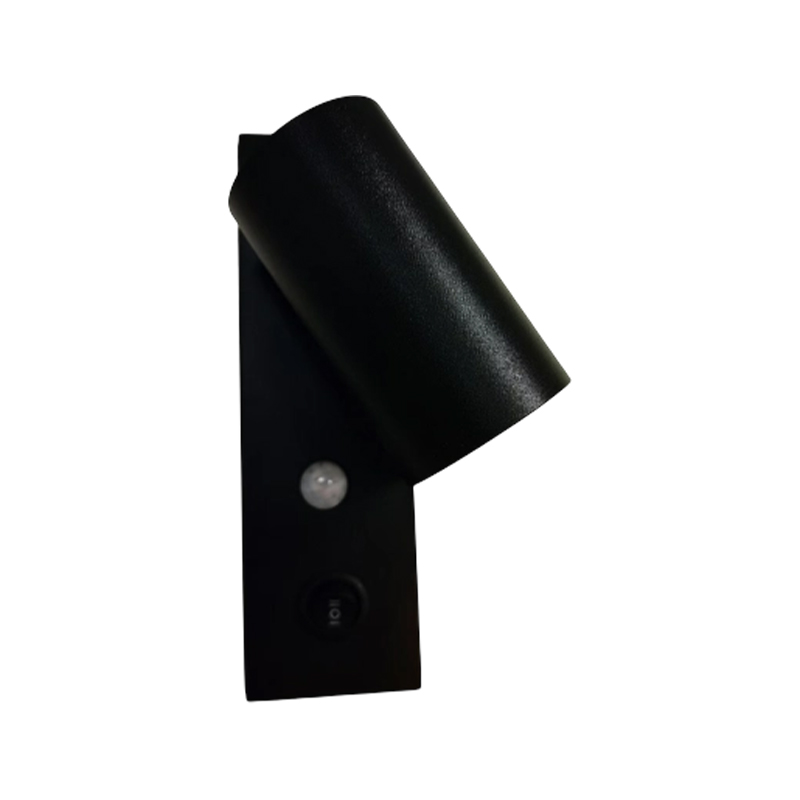
Bollard lights are commonly installed along walkways and driveways. Their cylindrical or rectangular forms create rhythmic visual alignment. Spike lights are used near flower beds or trees, offering adjustable angles for directional emphasis. Wall-mounted fixtures frame entrances and terraces, contributing to a cohesive architectural theme.
Color temperature selection also shapes mood. Warm white tones create a relaxed and intimate environment, suitable for seating areas and private gardens. Neutral white lighting delivers clarity around entryways and outdoor dining zones. Strategic variation in tone helps define different functional areas within the same property.
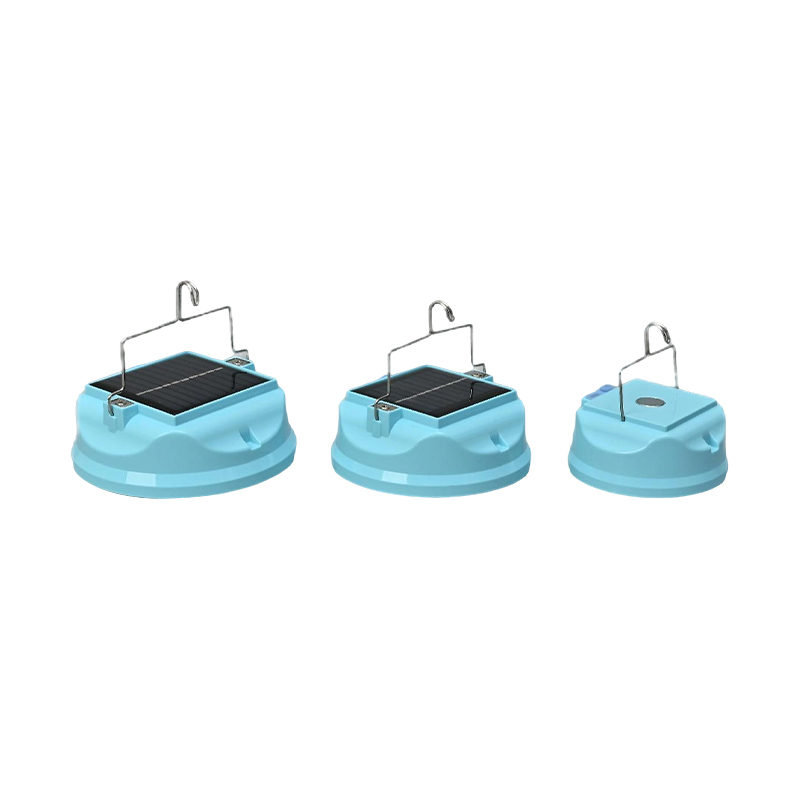
Compact solar-powered models have gained popularity in smaller residential projects. These designs simplify installation and reduce wiring complexity. In larger developments, integrated low-voltage systems allow coordinated control across multiple lighting points, ensuring consistent illumination levels throughout the property.
Applications Across Residential and Commercial Spaces
Garden Light solutions are widely adopted in residential communities, hospitality venues, and public courtyards. In private homes, they define pathways, accentuate landscaping features, and improve nighttime visibility around entrances. Apartment complexes often use coordinated lighting layouts to create unified exterior aesthetics.
Hotels and resorts incorporate decorative lighting to enhance guest experiences. Courtyard seating areas, fountains, and garden sculptures become focal points during evening hours. Restaurants with outdoor terraces rely on soft lighting to complement dining atmospheres without overpowering conversation.
Commercial office campuses also integrate landscape lighting to highlight walkways and shared outdoor spaces. Carefully spaced fixtures guide movement between buildings and parking areas. The visual continuity created by consistent lighting placement contributes to a polished and organized appearance.
Technological Developments and Market Trends
Technological improvements have reshaped Garden Light manufacturing and performance standards. LED modules now dominate the market due to their compact size and stable brightness output. Slimmer fixture profiles allow designers to integrate lighting seamlessly into landscaping without drawing excessive attention to hardware.
Smart control compatibility has become increasingly common. Many systems support programmable timers and remote operation, enabling users to adjust brightness levels or activate specific zones according to event requirements. This adaptability makes outdoor lighting more dynamic and tailored to individual preferences.
Material engineering continues to influence durability and structural integrity. Powder-coated finishes resist surface wear, preserving visual consistency across seasons. Sealed housing designs protect internal components from moisture exposure, supporting long-term functionality in outdoor settings.
Our Products //
Related Products
-
[email protected]

-
+86-18966108111 / +86-13325868369

-
No. 306, Building 13, Yanjiang Industrial Park, Linhai City, Taizhou, Zhejiang Province