

 English
  русский
  한국어
한국어  عربى
عربى 
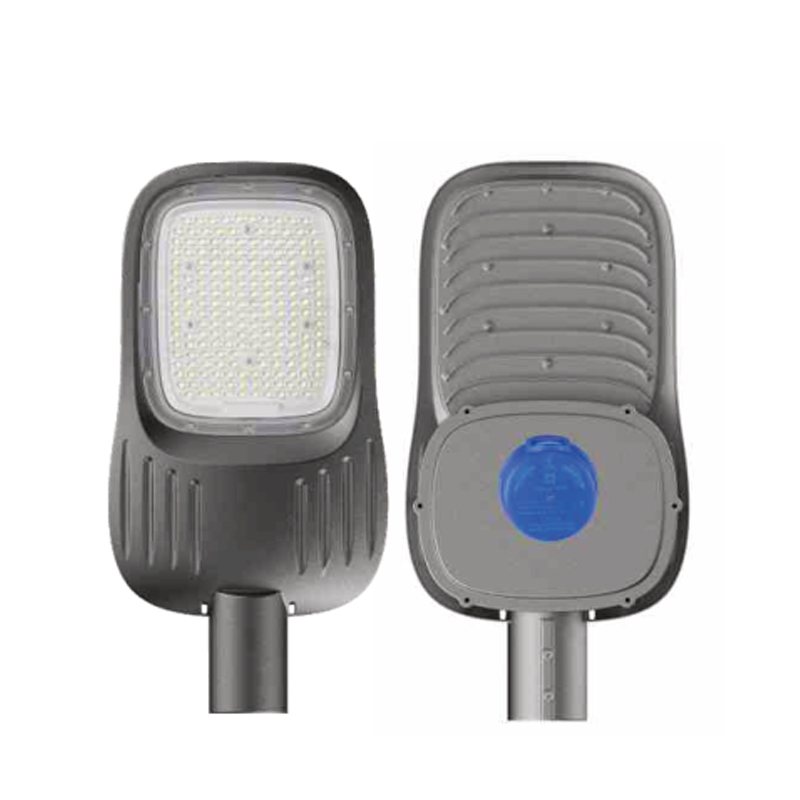
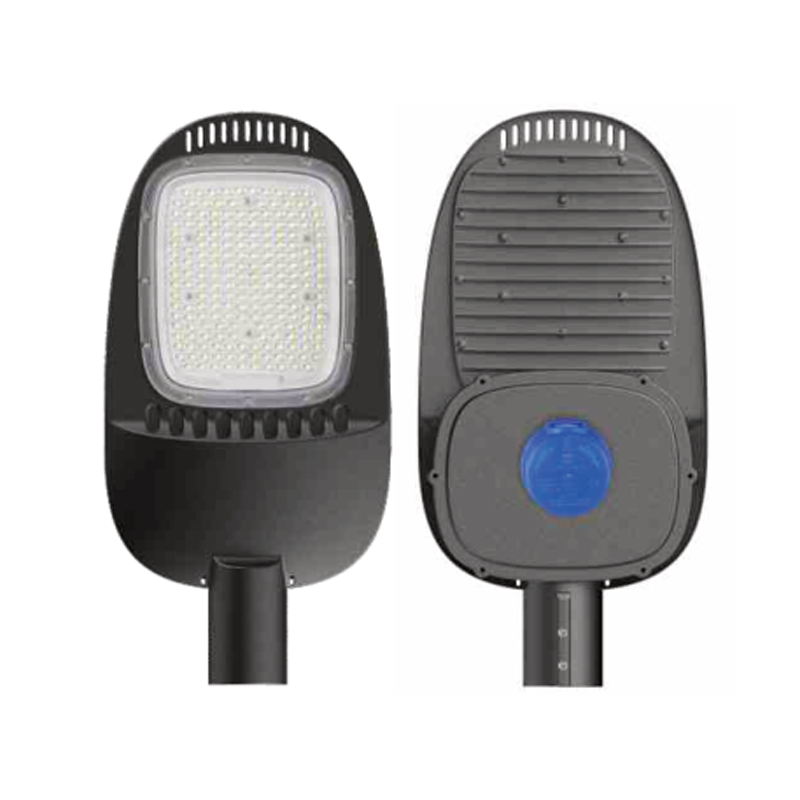
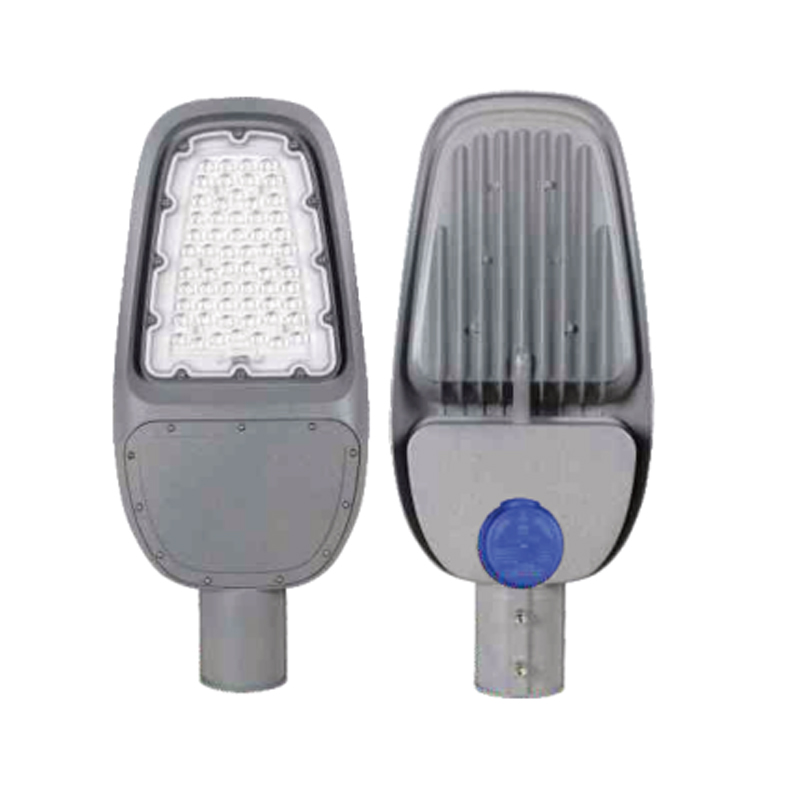
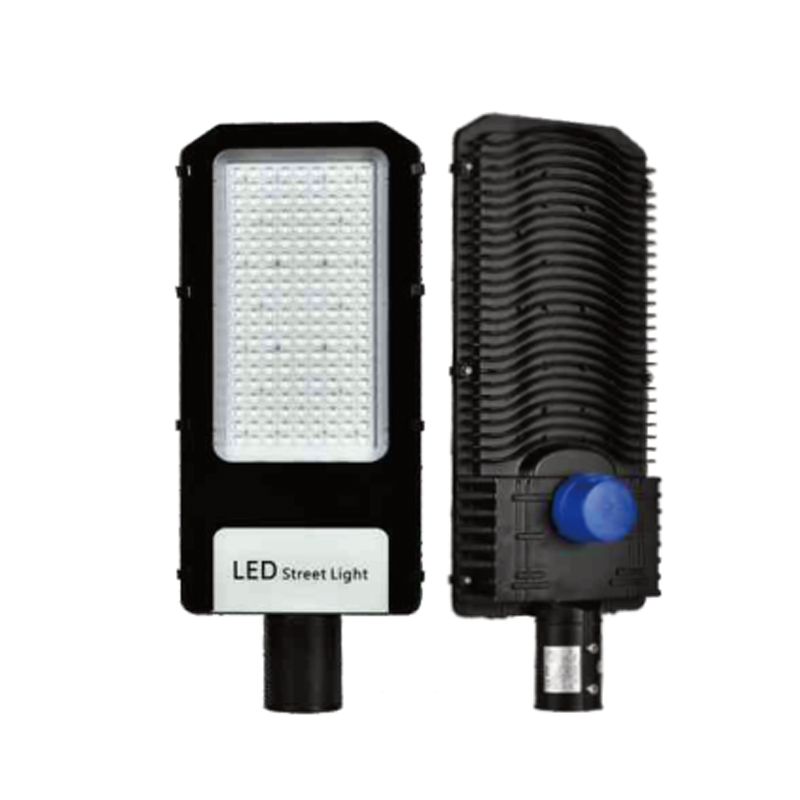
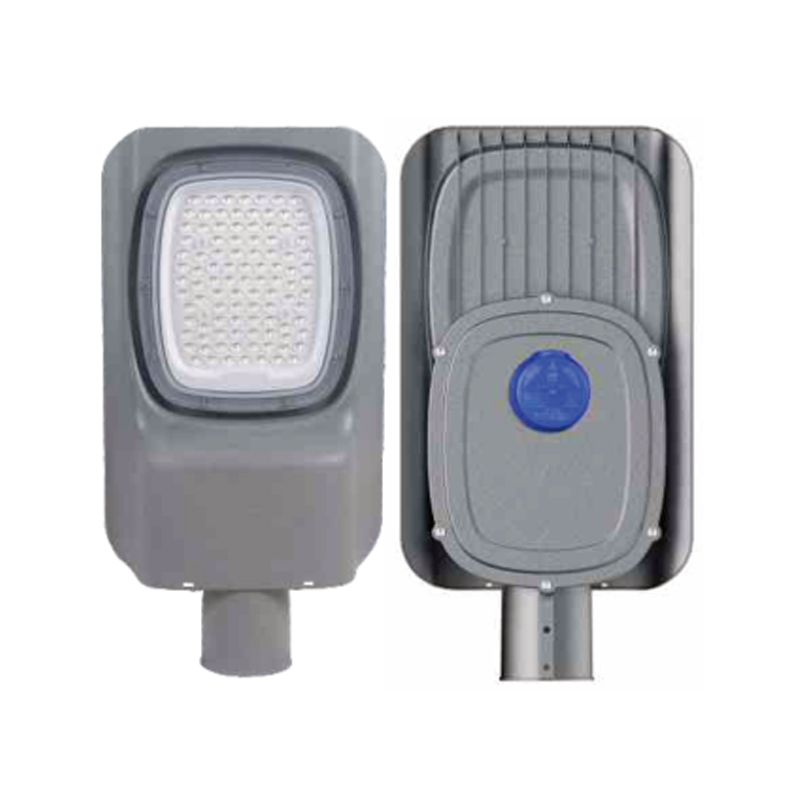
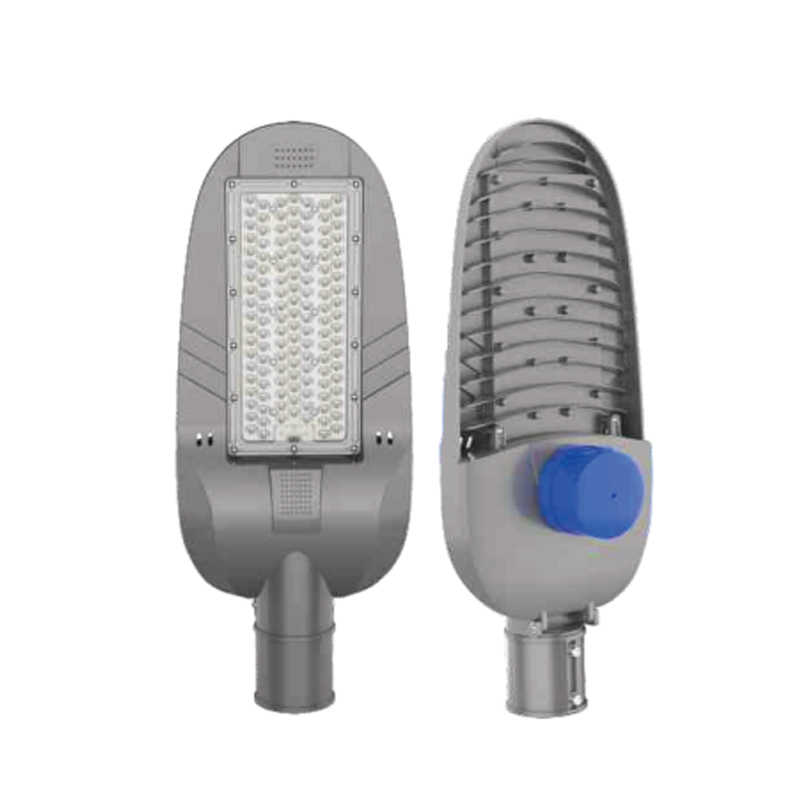
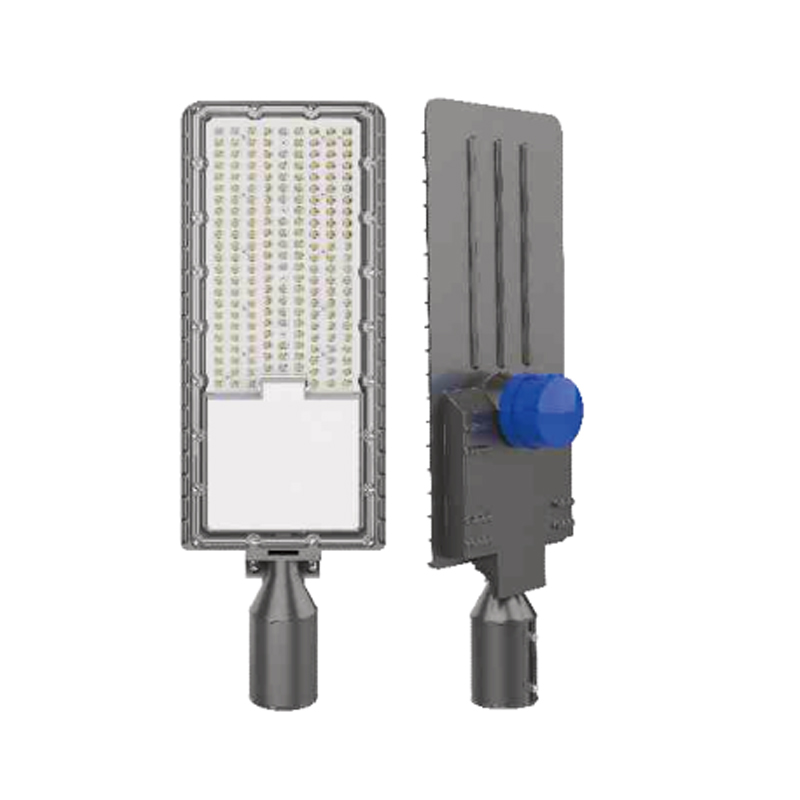
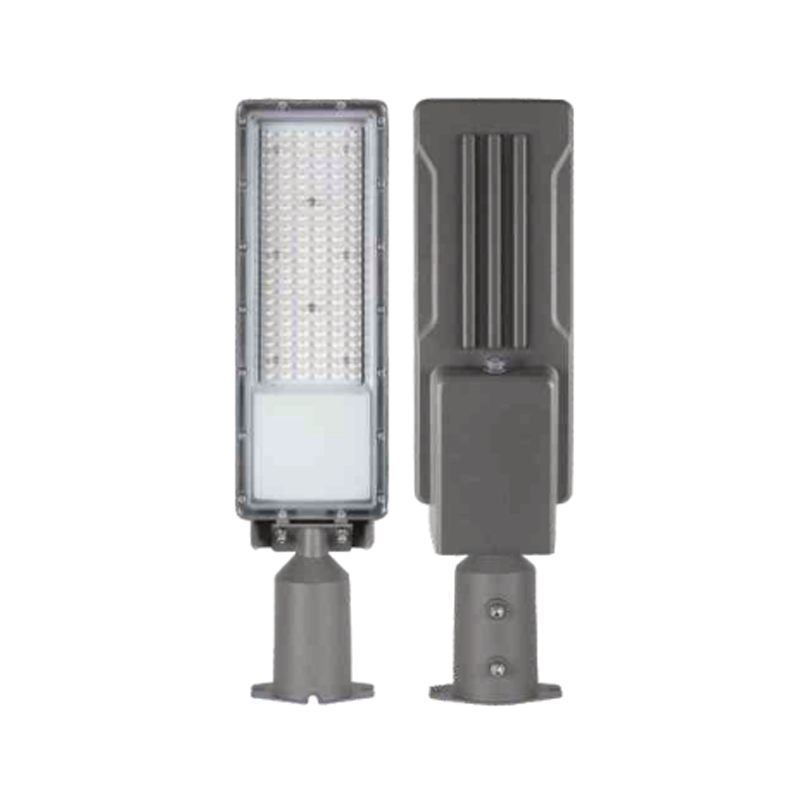







Track Spotlight systems continue to shape the way interiors highlight architectural and decorative features. Unlike fixed ceiling ...
READ MOREOutdoor Lighting
Yicheng Technology provides durable and versatile outdoor lighting solutions suitable for various environments, including gardens, walkways, building facades, and public spaces. We own our own manufacturing facility, controlling every step of the production process to ensure consistent product quality and timely delivery.
Our ability to provide customized lighting designs allows us to meet specific outdoor requirements, whether for residential, commercial, or municipal use. We work closely with clients to develop solutions that balance visual appeal with functionality, all while maintaining competitive and reasonable pricing.
Driven by innovation and an adaptive mindset, Yicheng continually upgrades its designs and technologies to match evolving market needs. Our outdoor lighting products are designed to withstand various weather conditions while delivering reliable performance and energy efficiency.
At Yicheng, we uphold a commitment to “quality first, service above all.” Our professional team offers end-to-end support—from design consultation to after-sales service—to ensure customer satisfaction and long-term reliability.
Whether you're illuminating a landscape, securing a facility, or enhancing architectural features, Yicheng Company delivers outdoor lighting that is practical, stylish, and dependable. With a focus on innovation and customer-centered solutions, we bring lasting value to every lighting project.
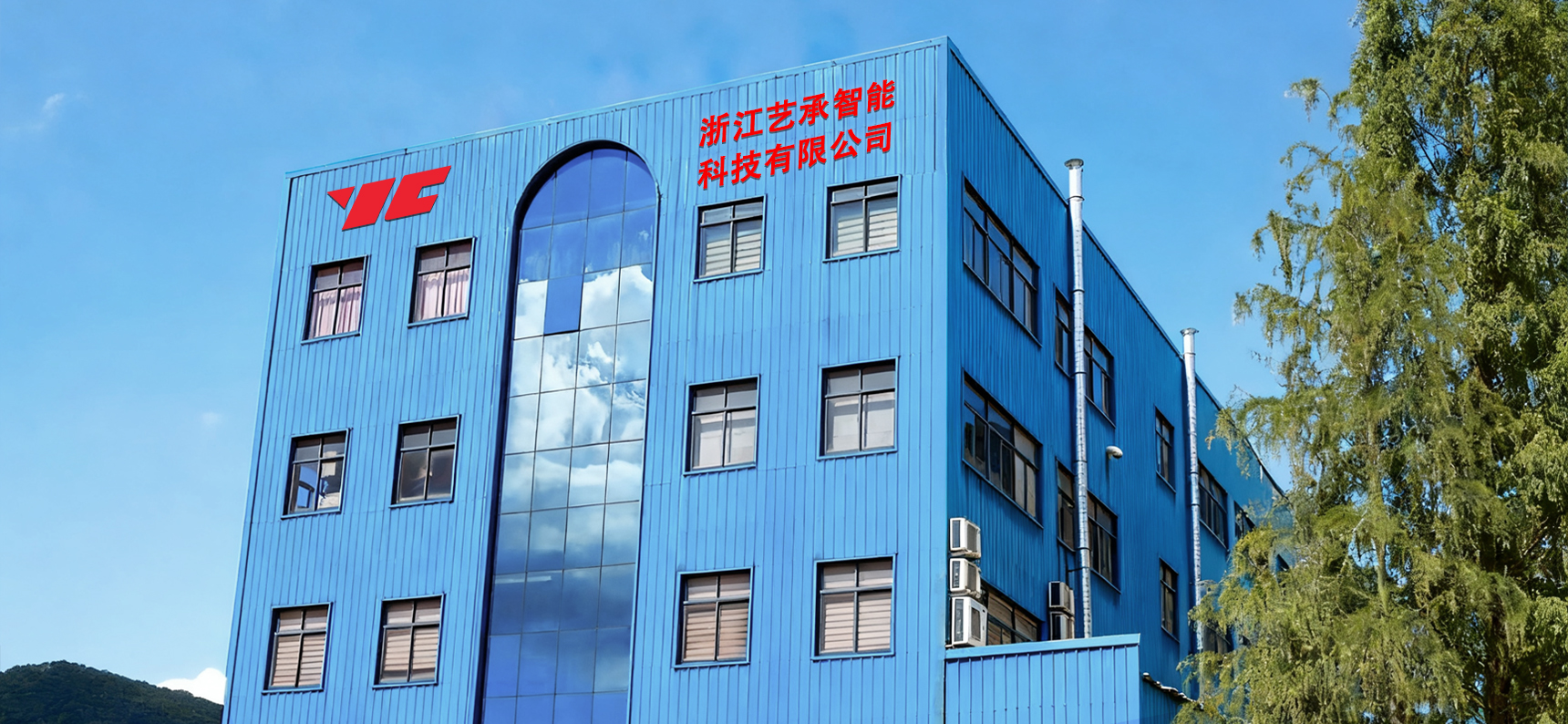
Zhejiang Yicheng Intelligent Technology Co., Ltd.
Founded in 2008, Yicheng Technology is one of China's earliest specializing in the R&D, production, and sales of Outdoor Lighting. For many years, Yicheng Technology has specialized in the Outdoor Lighting industry. Its products are manufactured under the ISO9001:2015 quality management system and have passed authoritative certifications, including the EU CE, ROHS, China 3C, CB, ERP energy consumption, Australian SAA, and Indian IBS. With rigorous R&D and strict production practices, Yicheng Technology offers a three-year warranty. Its business scope covers various countries and regions, and it has partnered with numerous renowned lighting brands, both domestically and internationally, for OEM/ODM services, earning widespread acclaim. Yicheng Technology also provides professional LED commercial lighting solutions.
-
0
Establishment
Founded in 2008, Yicheng has 17 years of experience in the industry.
-
0+
Current Employee
We have more than 200 employees, including 60 technical R&D personnel.
-
0m²
Factory Area
We have a large manufacturing plant to meet order needs
Certificate Of Honor
News
-
-
Smart Lighting has moved from a niche concept to a widely discussed feature in residential and commercial interiors. The shift ref...
READ MORE -
Understanding the Role of High Bay Light in Large Spaces High Bay Light fixtures are engineered to illuminate spaces with elevated...
READ MORE -
How Garden Light Enhances Outdoor Atmosphere Garden Light products have become a defining feature in residential and commercial la...
READ MORE -
Outdoor lighting must perform under conditions that change constantly. Rain, dust, temperature shifts, and extended operating hour...
READ MORE
Message Feedback
Industry knowledge
Outdoor lighting refers to lighting systems used for building exteriors, courtyards, gardens, roads, and public spaces. Its main purpose is to provide safety lighting, guidance, and nighttime landscape beautification. It not only ensures the safety of pedestrians and vehicles at night but also creates a comfortable atmosphere and highlights building facades or landscape features through color temperature, brightness, and beam design.
Main Functions of Outdoor Lighting
The functions of outdoor lighting can be broadly categorized as follows:
- Safety and Security Functions
Lack of light at night can easily pilot to safety hazards. Security outdoor lights are mainly used to illuminate residential areas, parking lots, parks, and important entrances to prevent theft, falls, or traffic accidents. High brightness, motion control, and waterproof and dustproof designs allow them to operate reliably in harsh weather conditions.
- Guidance and Identification Functions
Outdoor lighting can clearly indicate building entrances, pathways, and key areas, helping pedestrians and vehicles navigate safely. Wall-mounted outdoor lights are often used on exterior walls, porches, and courtyard entrances, providing not only illumination but also enhancing spatial recognition and visual comfort.
- Landscape and Decorative Functions
Outdoor lighting also serves an aesthetic purpose, such as garden lights, ground lights, and floodlights, which can illuminate plants, sculptures, water features, or building facades, enhancing the beauty of the nighttime environment. Different atmospheres can be created through the design of color temperature, brightness, and lamp shape.
- Energy Saving and Environmental Protection Functions
Modern outdoor lighting widely uses LED light sources or solar-powered lights, which not only reduce energy consumption but also small light pollution and maintenance costs, while extending service life.
Types and Design of Outdoor Lighting
Based on purpose, installation location, and optical design, outdoor lighting fixtures can be mainly divided into the following categories:
- Wall-Mounted Lights
Wall-mounted lights are usually installed on building exteriors, porches, or corridors to provide localized lighting and guidance. Their design combines practicality and aesthetics, allowing for the selection of different lampshade shapes and materials to match the architectural style. Modern wall-mounted lights morely use LED light sources, which are energy-efficient and provide uniform light.
- Ground/Path Lights
Installed along roadsides or garden paths, these provide low-level lighting, emphasizing safety and decoration. Ground lights are often used in landscape design to create a sense of depth and spatial guidance.
- Floodlights
Floodlights are suitable for building facades, courtyards, or public squares, providing strong illumination to enhance safety and visual impact. Security outdoor lights often use floodlight designs, employing infrared sensors or timers for automatic switching.
- Garden Lights (Post Light / Bollard Light)
Commonly found in gardens, roads, and public areas of residential communities, they provide medium-height lighting while also serving a decorative purpose. Garden lights come in diverse designs, with options for warm or cool color temperatures to match different landscape atmospheres.
- Decorative Lights (Accent / Decorative Light)
Decorative lights are used for illuminating architectural details, sculptures, water features, or plants, shaping nighttime visual effects through color, brightness, and projection angle. The controllability of LED light sources makes decorative lights more expressive, allowing for dynamic color changes or beam movement effects.
Common Outdoor Lighting Specifications Table
| Fixture Type | Light Source Type | Power (W) | Protection Rating | Control Method | Main Application |
| Wall Mount Outdoor Light | LED / Halogen | 10-60 | IP44-IP65 | Manual/Sensor/Smart | Porches, corridors, partial exterior wall lighting |
| Security Outdoor Light | LED / Metal Halide | 50-300 | IP65-IP67 | Sensor/Timer/Smart | Residential security, parking lots, important entrances |
| Floodlight | LED / Halogen | 50-1000 | IP65 | Manual/Sensor/Smart | Building facades, courtyards, squares |
| Garden Light (Post/Bollard Light) | LED | 10-50 | IP44-IP65 | Timer/Photocell | Gardens, walkways, public areas of residential communities |
| Ground Light (Path / Ground Light) | LED | 5-20 | IP67 | Photocell/Timer | Walkways, landscapes, small water features |
| Decorative Light (Accent Light) | LED | 5-50 | IP44-IP65 | DMX / Smart | Architectural details, sculptures, plant lighting |
The table shows the light source type, protection rating, power, and application scenarios of common outdoor lighting fixtures. Wall Mount Outdoor Lights and Security Outdoor Lights appear several times, highlighting their representative role.
Technical Features of Outdoor Lighting Fixtures
Modern outdoor lighting fixtures incorporate several technical features:
- Waterproof and Dustproof
In overseas, coastal, or rainy and snowy environments, lighting fixtures must have a high protection rating (IP44 or higher) to prevent water vapor and dust from entering and causing short circuits or damage.
- Weather Resistance and Corrosion Resistance
Outdoor lighting fixtures often use stainless steel, aluminum alloy, or high-strength plastic casings to ensure long-term use without being affected by ultraviolet rays, salt spray, and wind and rain.
- Energy-Saving and Long-Life Light Sources
LED light sources are the mainstream choice for outdoor lighting, providing high brightness output while consuming low power and having a long lifespan of 20,000 to 50,000 hours, reducing maintenance and replacement frequency.
- Intelligent Control and Sensing Functions
Modern outdoor lighting fixtures are often equipped with light control, infrared sensing, timer control, and remote intelligent control, which can automatically adjust the switch according to ambient brightness and pedestrian traffic, improving energy efficiency and ease of use.
- Multi-Scenario Optical Design
Different lighting fixtures optimize beam distribution through reflector cups, lenses, and lampshade designs to achieve local lighting, projection lighting, or landscape decoration effects, reducing glare and light pollution.
Outdoor Lighting Applications in Residences
- Entrance and Porch Lighting
Wall Mount Outdoor Lights are the preferred choice for porch and entrance lighting, providing sufficient light for safety while enhancing aesthetics. Through the design of light height, angle, and color temperature, both functionality and the architectural facade effect are ensured.
- Security Monitoring Area Lighting
Security Outdoor Lights are usually installed around residences, parking lots, or entrances, equipped with sensors and high-brightness floodlights, which automatically light up when a moving object is detected, effectively improving security.
- Garden and Courtyard Landscape Lighting
In-ground lights, garden lights, and decorative lights can create a sense of depth, illuminating plants, water features, and paths, enhancing the beauty of the night landscape while ensuring safe walking.
- Patio and Leisure Area Lighting
Dimmable LED lights create a soft and warm atmosphere, suitable for family gatherings or evening leisure activities.
Outdoor Lighting in Commercial and Public Places
In commercial buildings, parks, and squares, the design of outdoor lighting focuses more on functionality and visual effects:
- Building Facade Lighting
Floodlights and wall-mounted lights are used to highlight building structures and design features, improving nighttime visibility and recognition.
- Road and Parking Lot Lighting
Security outdoor lights, garden lights, and bollard lights are used for road lighting to ensure driving safety and reduce the risk of accidents.
- Public Space Landscape Lighting
Decorative lights and LED floodlights are used in parks, fountains, sculptures, and squares to create a comfortable, safe, and visually appealing environment.
- Intelligent Control and Energy Management
Modern public area lighting often uses centralized control systems for remote control, timed switching, and brightness adjustment, reducing energy consumption and maintenance costs.
Outdoor Lighting Design Principles
Effective outdoor lighting design requires consideration of the following principles:
- Safety one
Ensure sufficient lighting at entrances, walkways, and work areas to reduce the risk of accidents.
- Energy Saving and Environmental Protection
Utilize LED light sources, solar lighting fixtures, and intelligent control systems to reduce energy consumption and light pollution.
- Comfort and Aesthetics
Light color, brightness, and beam design should avoid glare while harmonizing with the architectural style and landscape atmosphere.
- Combination of Functionality and Flexibility
Lighting fixture placement should consider safety, security, landscape, and decorative effects to meet various usage needs.
- Durability and Easy Maintenance
Outdoor lighting fixtures must have a high protection rating, corrosion resistance, and be easy to replace bulbs or maintain control systems.
Outdoor lighting not only provides basic illumination but also serves multiple functions including safety, guidance, landscape enhancement, and energy saving. Wall mount outdoor lights are used for building entrances and exterior wall lighting to enhance aesthetics and visibility; security outdoor lights ensure the safety of residential and public areas, reducing the risk of accidents and theft.
-
[email protected]

-
+86-18966108111 / +86-13325868369

-
No. 306, Building 13, Yanjiang Industrial Park, Linhai City, Taizhou, Zhejiang Province