LED light bulbs are energy-efficient lighting devices that use light-emitting diodes (LEDs) as their light source, characterized by high luminous efficacy, low power consumption, and long lifespan. They offer a variety of color temperatures and color rendering indices to meet the lighting needs of home, office, commercial, and industrial environments.
Definition and Core Advantages of LED Light Bulbs
An LED light bulb is a lighting fixture that uses light-emitting diodes (LEDs) as its light source. It achieves efficient, energy-saving, and long-lasting lighting by driving the LEDs with electric current. Its core advantages include:
High Energy Efficiency and Energy Saving
- LED light bulbs are highly energy-efficient, producing more luminous flux per watt, significantly reducing electricity consumption.
- LED light bulbs are commonly used in home and commercial environments for long-term energy savings.
Long Lifespan and Reliability
- LED light bulbs have a lifespan of 25,000–50,000 hours, far exceeding traditional light sources.
- They are highly reliable and suitable for applications requiring frequent switching.
Optical Controllability
- Different beam angles, color temperatures, and color rendering indices can be designed to meet various lighting needs.
Environmentally Friendly and Low Heat
- They do not contain harmful substances such as mercury, and generate low heat, reducing environmental pollution and energy waste.
Multi-Scenario Applications
- They can be used in home, office, commercial, industrial, and automotive lighting.
- Automotive LED bulbs are widely used in car headlights, brake lights, and side marker lights.
Technological Development History of LED Bulbs
The development of LED light bulbs has gone through several key stages:
- Early Stage (Low-Brightness Indicator Lights)
Mainly used for indicator lights and small device displays, with low brightness and single color.
- Mid-Term Development (Indoor Lighting)
High-brightness LEDs emerged and were gradually used for home and office lighting.
Luminous efficacy and lifespan significantly improved, gradually replacing incandescent bulbs.
- Modern Stage (High Efficiency and Intelligence)
Introduction of intelligent dimming, adjustable color temperature, and remote control functions.
High-power LEDs are used in commercial, industrial, and automotive lighting fields.
Optical Characteristics and Beam Design of LED Bulbs
The optical design of LED light bulbs directly affects the lighting effect and visual experience:
Beam Angle
- Conventional LED light bulbs have a beam angle of 120°–360°, suitable for home and office environments.
- For special applications such as spotlights or car headlights, the beam angle can be less than 60°.
- Color Rendering Index (CRI) > 80 ensures accurate color reproduction, suitable for commercial and indoor lighting.
Color Temperature Selection
- 2700K–3000K warm white light, suitable for home ambiance.
- 4000K–5000K natural light, used in offices and commercial spaces.
- 6000K and above cool white light, used in industrial, automotive, and special lighting.
Lens and Optical Components
- LED bulbs distribute light evenly through lenses or diffusers, reducing glare.
Energy Efficiency and Energy Saving Advantages of LED Bulbs
LED bulbs offer significant energy savings, with core advantages in the following areas:
- Low Power Consumption and High Luminous Efficacy
At the same brightness, LED bulbs save approximately 80% more energy than incandescent bulbs and approximately 50% more than fluorescent lamps.
- Long Lifespan Reduces Replacement Frequency
Long lifespan reduces replacement frequency, saving on maintenance costs and material consumption.
- Smart Control Improves Energy Efficiency
Dimmable, timed control, and sensor applications improve energy efficiency management.
Lifespan and Reliability of LED Bulbs
The lifespan and reliability of LED bulbs depend on the light source quality, driver design, and heat dissipation performance:
LED Chip and Driver
- High-quality chips and stable drivers ensure long-term stable operation.
- Current fluctuations or overheating can shorten lifespan.
Heat Dissipation Design
- Optimized heat sinks and thermal conductive materials reduce the operating temperature of the LED.
- Good heat dissipation extends the light source lifespan and maintains stable luminous efficacy.
Environmental Adaptability
- Moisture-proof, dustproof, and shockproof designs improve reliability, suitable for home, commercial, and automotive applications.
LED Bulb Application Scenarios of LED Bulbs
Home Lighting
- LED light bulbs are used in living rooms, bedrooms, kitchens, and studies.
- Dimmable and color temperature adjustment create a comfortable atmosphere.
Commercial Lighting
- Used in shopping malls, hotels, restaurants, and office spaces for energy-efficient and high-color rendering lighting.
Industrial and Special Environments
- High-brightness LED bulbs are used in factory workshops, warehouses, and laboratories.
- Waterproof, dustproof, and shockproof functions ensure safety and stability.
Automotive Lighting
- Automotive LED bulbs are used for headlights, taillights, side marker lights, and turn signals.
- High luminous efficacy and long lifespan reduce energy consumption and improve driving safety.
Outdoor and Landscape Lighting
- LED bulbs are used in gardens, roads, building facades, and billboards, featuring weather-resistant and waterproof designs.
Installation and Maintenance of LED Bulbs
Home and Commercial Installation
- LED bulbs can directly replace traditional light fixtures, making installation easy.
- Suitable for surface-mounted fixtures, pendant lights, and downlights.
Automotive Bulb Installation
- Must comply with vehicle model standards to ensure safety and optical compatibility.
- Regularly check the lampshade, waterproof seal, and wiring reliability.
Maintenance and Usage Recommendations
- Avoid prolonged use in high-temperature and humid environments.
- Clean the lampshade and heat sink to improve light efficiency and lifespan.
Smart Features and Safety Standards of LED Bulb
Smart Control
- Brightness and color temperature can be controlled via dimmer switches, remote control, or mobile app.
- Enables scheduled switching, scene modes, and energy management.
Safety Standards
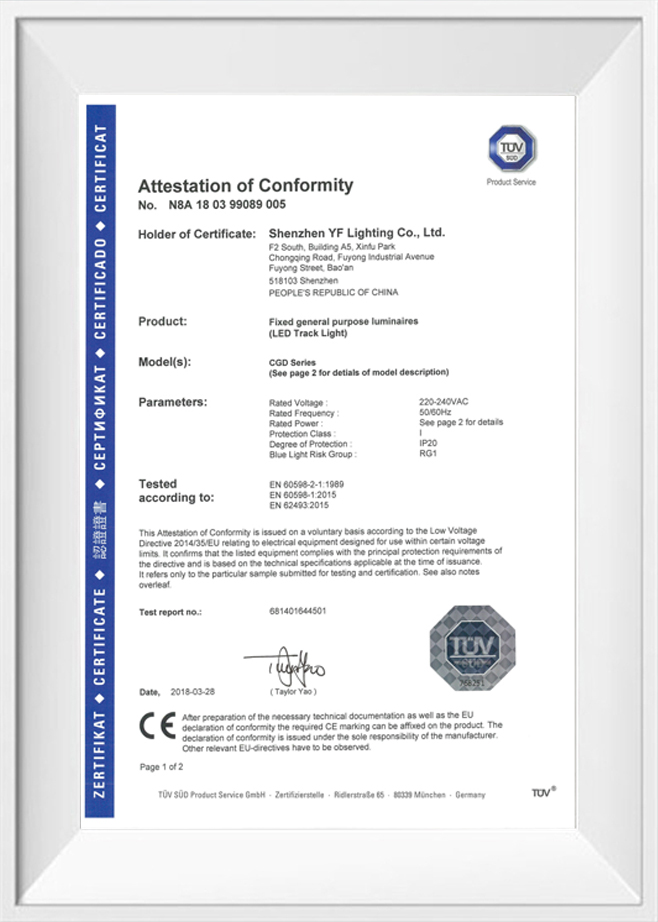
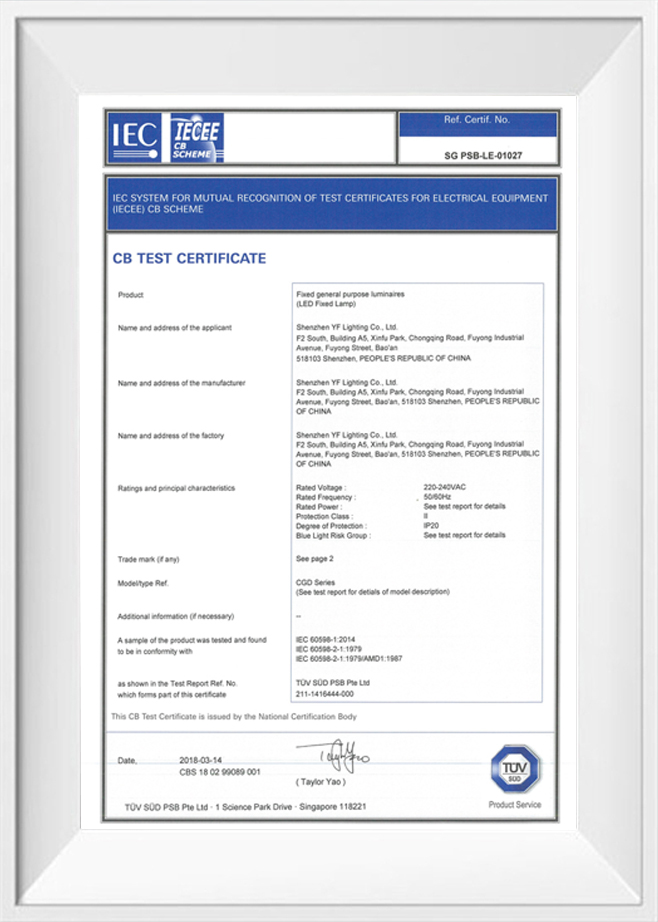
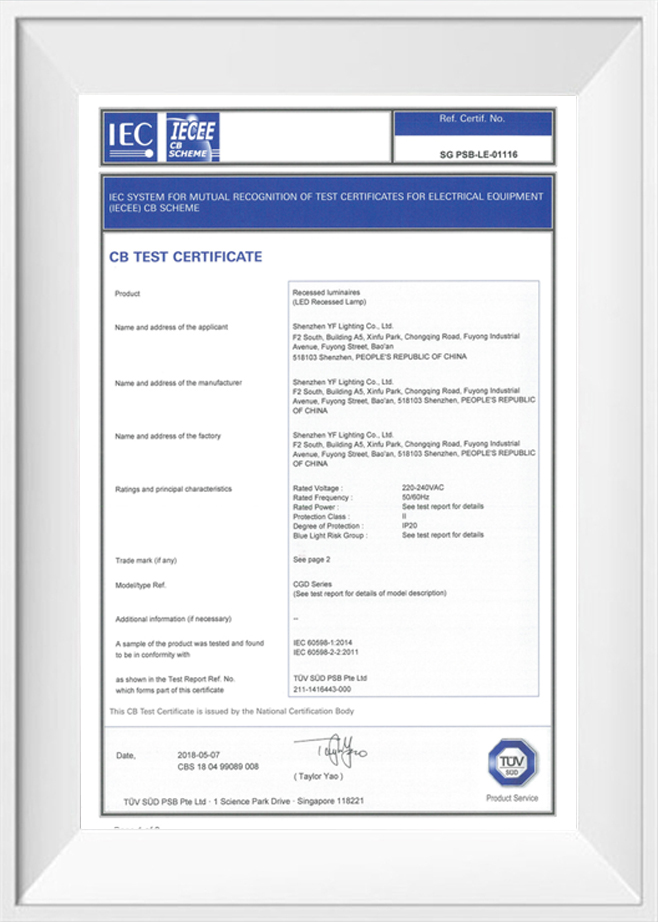
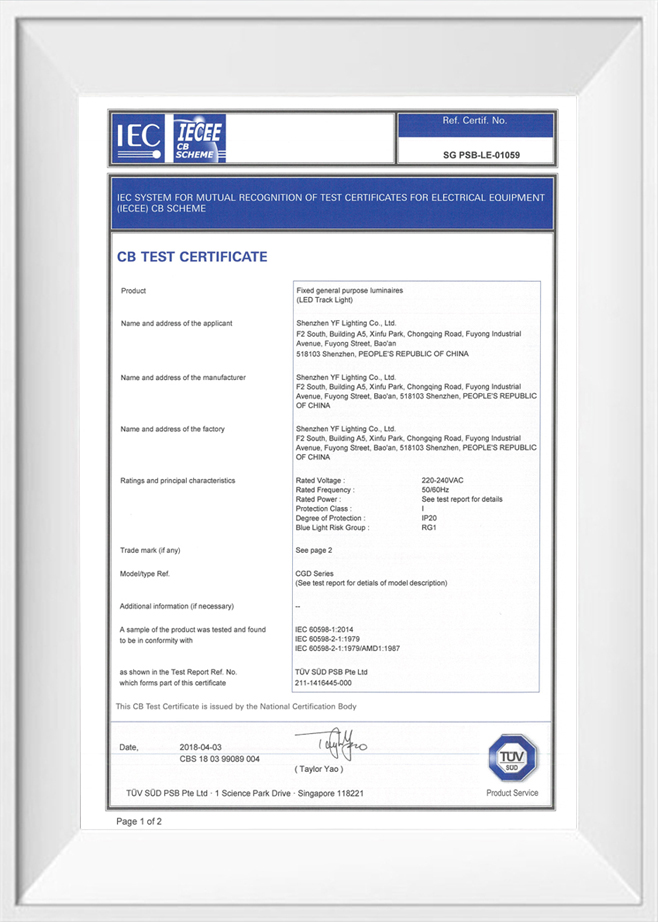
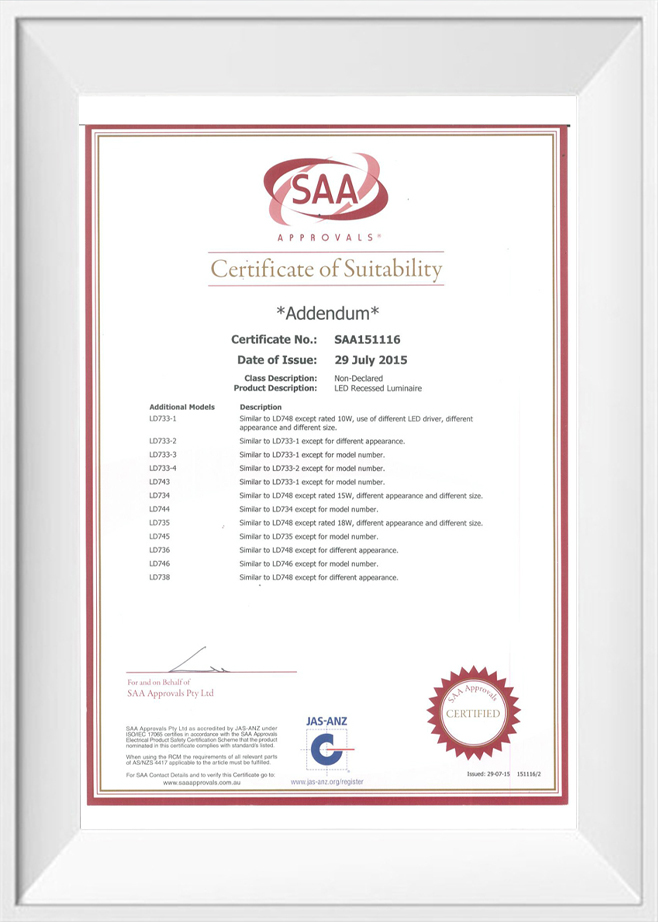
- CE, RoHS, and UL certifications ensure electrical safety and environmental protection.
- Overheating, short-circuit, and voltage fluctuation protection designs enhance safety during use.
Automotive Lighting Safety Requirements
- Complies with international automotive standards (ECE, SAE) to ensure driving safety and beam pattern compliance.
LED Light Bulb Types and Performance Comparison Table
| Type |
Power Range |
Luminous Flux |
Color Temperature |
Color Rendering Index |
Lifespan |
Features |
Application Scenarios |
| LED Light Bulb |
5–20W |
400–2000 lm |
2700K–6000K |
CRI>80 |
25000–50000 hours |
High efficiency, energy saving, uniform light beam |
Home, office, shopping mall |
| Dimmable LED Bulb |
5–15W |
400–1200 lm |
2700K–5000K |
CRI>80 |
25000–40000 hours |
Adjustable brightness, flexible for various scenarios |
Home, hotel, restaurant |
| Automotive LED Bulb |
5–35W |
500–3000 lm |
4300K–6000K |
CRI>80 |
30000–50000 hours |
High brightness, durable, low energy consumption |
Car headlights, taillights, side marker lights |
| High-Brightness LED Bulb |
10–30W |
1000–3000 lm |
4000K–6000K |
CRI>80 |
30000–50000 hours |
High brightness, energy saving, good heat dissipation |
Factories, warehouses, outdoor |
| Waterproof LED Bulb |
5–20W |
400–2000 lm |
2700K–6000K |
CRI>80 |
25000–40000 hours |
Moisture-proof, waterproof, dustproof |
Bathroom, kitchen, outdoor |
LED light bulbs, with their advantages of high energy efficiency, long lifespan, controllable optics, and safety and environmental protection, have become the mainstream choice for modern lighting. Whether in homes, commercial spaces, or industrial and automotive fields, LED Light Bulbs and Automotive LED Bulbs demonstrate high brightness, low energy consumption, and adaptability to multiple scenarios.


 English
  русский
  한국어
한국어  عربى
عربى