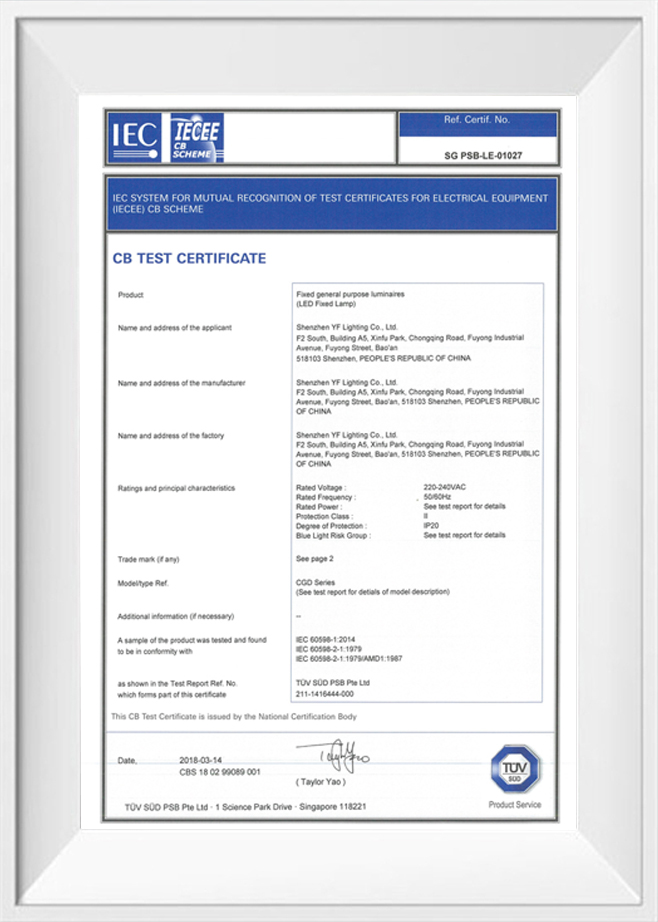
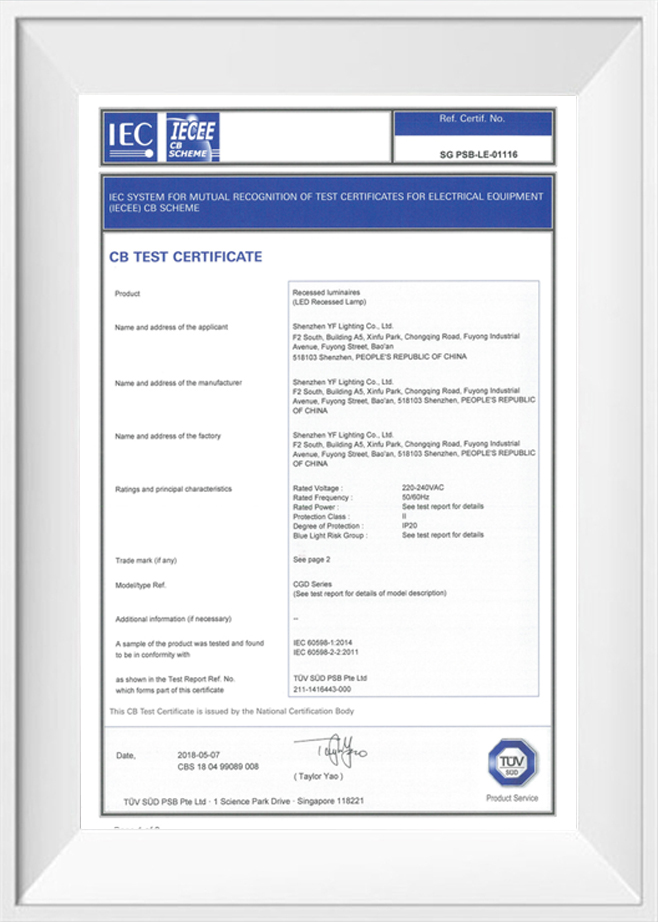
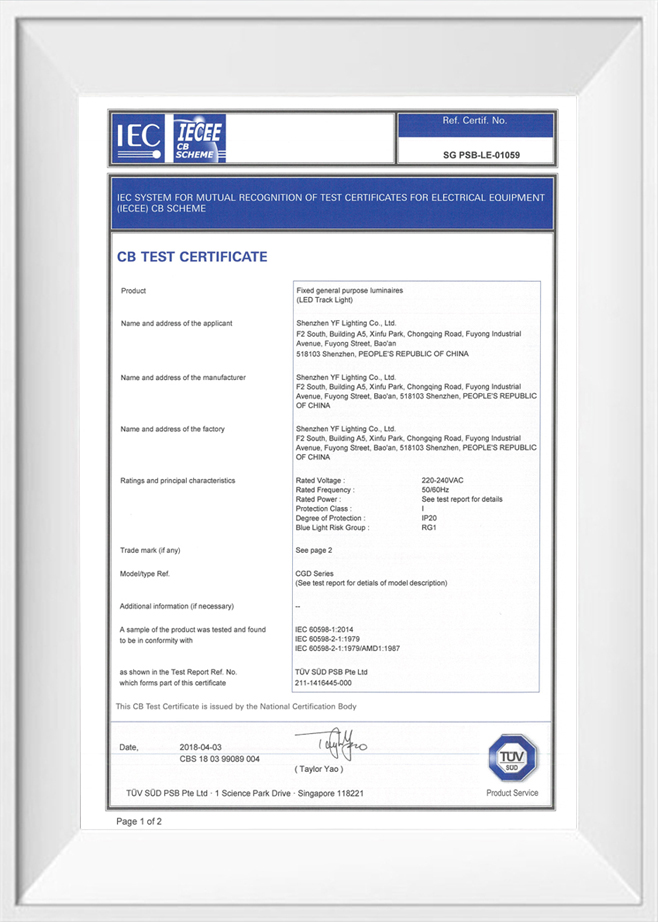
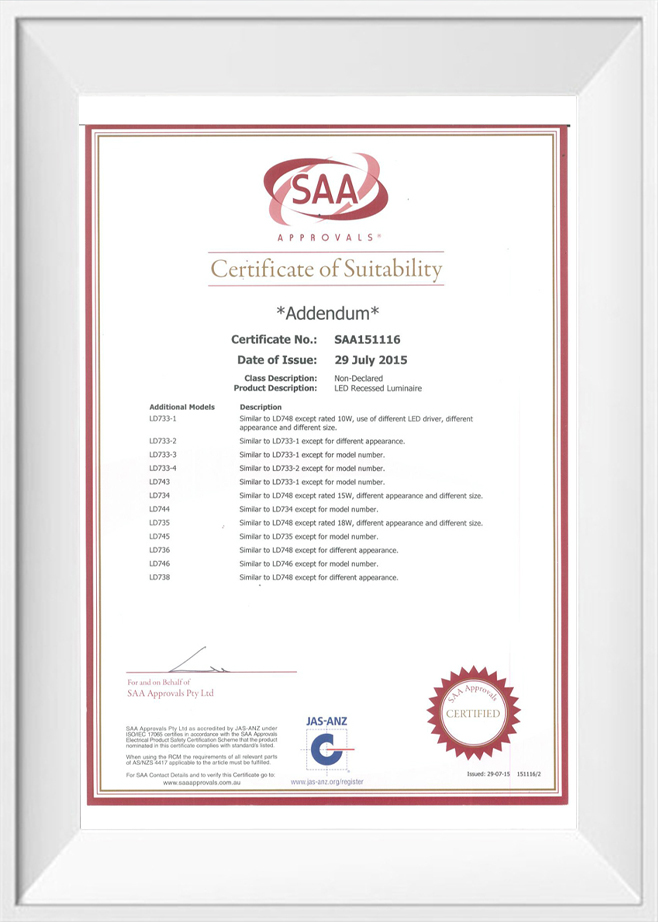
Emergency lighting is a type of lighting device that automatically activates when the normal lighting system fails, ensuring the safe evacuation of personnel and facilitating emergency operations. It typically has a built-in backup power source, such as batteries or a dual power system, allowing it to provide continuous lighting for 1-3 hours or more even during a power outage. Emergency lighting is widely used in public buildings, office buildings, shopping malls, underground parking garages, and industrial plants, and is often used in conjunction with evacuation signs (such as Exit Sign Emergency Lights). Its main functions include providing safe illumination, guiding escape routes, supporting emergency operations, and can be integrated with intelligent control systems for centralized monitoring and fault warning.
Emergency lighting refers to lighting equipment that automatically activates and provides sufficient light to ensure the safe evacuation of personnel when the normal lighting system fails. Its main functions include:
- Ensuring personnel safety: In the event of fire, power outage, or other emergencies, emergency lighting provides visibility for people inside the building, reducing the risk of stampedes and chaos.
- Guiding evacuation routes: In conjunction with evacuation signs (such as Exit Sign Emergency Lights), it helps people quickly find exits.
- Supporting emergency operations: When emergency operations or rescue are needed, emergency lighting provides temporary lighting conditions to ensure the smooth progress of emergency work.
According to international fire safety standards, all public buildings, office buildings, shopping malls, underground parking lots, etc., must be equipped with emergency lighting systems.
Main Types of Emergency Lighting
Based on different usage environments and functions, emergency lighting can be divided into the following categories:
1. Escape Route Emergency Lighting
This type of emergency light is mainly used to indicate exits and evacuation routes. Common products include Exit Sign Emergency Lights. Features include:
- Usually uses LED light sources, with high luminous efficiency and low energy consumption.
- Equipped with a backup power source, allowing it to operate continuously for 1-3 hours or more even during a power outage.
- Supports flexible adjustment of direction indicators to adapt to different building layouts.
2. Indoor Emergency Lighting
This type is mainly used in indoor public areas, such as offices, corridors, conference rooms, and basements. It provides temporary lighting during power outages to ensure the safety of personnel movement. Its features include:
- Soft light to avoid glare.
- Uniform illumination to ensure visible light throughout the entire area.
- Can be linked with the normal lighting system for automatic switching.
3. Special Function Emergency Lighting
Some emergency lighting fixtures also have additional functions, such as:
- Waterproof and dustproof: Suitable for outdoor or industrial environments.
- Audible and visual alarm: Simultaneously emits sound and light signals in emergency situations.
- Intelligent control: Centralized monitoring and testing through a building management system (BMS).
Technical Requirements for Emergency Lighting
Emergency lighting is not just a light fixture that illuminates a space; it must also meet several technical indicators to ensure safety and effectiveness:
| Technical Indicator |
Standard Requirement |
Description |
| Illuminance |
≥1 lux (evacuation routes) |
Ensures people can clearly see the path ahead |
| Duration |
≥90 minutes |
Maintains basic lighting in case of power failure or outage |
| Light Source Lifespan |
≥50,000 hours |
Long lifespan of LED light source reduces maintenance costs |
| Power Switching Time |
≤0.5 seconds |
Ensures emergency lights activate instantly when the main power fails |
| Temperature Adaptability |
-20℃~50℃ |
Meets the requirements of different climates and indoor environments |
| Protection Rating |
IP20–IP65 |
Select dustproof and waterproof ratings according to the usage location |
As can be seen from the table above, the design and selection of emergency lighting need to consider not only the brightness of the light source but also the duration, environmental adaptability, and ease of maintenance.
Installation Specifications for Emergency Lighting
During building design and construction, the installation of emergency lighting has strict requirements to ensure reliability and safety in emergency situations:
Layout Design
- Emergency lighting must be installed in all evacuation routes, stairwells, exits, and key public areas.
- The spacing of light fixtures should ensure that the illuminance at any point on the evacuation path is not lower than the specified standard.
Height and Angle
- The installation height of indoor corridor lights is generally between 2.2 and 3 meters.
- Indicator lights should face the exit direction to avoid reduced visibility due to obstruction.
Power Supply and Powering Method
- Emergency lighting should have an independent power supply or backup battery.
- For important buildings, a dual power supply can be used to increase reliability.
Maintenance and Testing
- Functional testing should be performed monthly to ensure that the lights work properly in the event of a power outage.
- Batteries should be replaced promptly before their lifespan expires to avoid affecting the effectiveness of emergency lighting.
Applications of Emergency Lighting in Different Scenarios
Emergency lighting is not only applied in commercial buildings but also plays a vital role in industrial, educational, and transportation facilities:
1. Commercial Buildings
- In places with high pedestrian traffic such as shopping malls, supermarkets, and cinemas, emergency lighting is primarily used to ensure the safety of evacuation routes.
- Exit Sign Emergency Lights are essential facilities, clearly indicating the direction of exits.
2. Office Buildings
- Corridors, stairwells, and meeting rooms are equipped with indoor emergency lighting to ensure safe passage during power outages.
- High-rise buildings usually require integration with intelligent control systems for centralized monitoring and fault alarms.
3. Industrial Plants
- In high-temperature, dusty, or humid environments, waterproof and dustproof emergency lighting is required.
- Special luminaires can provide high brightness to meet the needs of nighttime operations or emergency procedures.
4. Public Transportation Facilities
- In crowded places such as subway stations, airports, and train stations, emergency lighting needs to cover waiting areas, passages, and exits.
- Combined with sound and light alarm systems, it improves evacuation efficiency and reduces panic incidents.
Maintenance and Management of Emergency Lighting
Maintaining the emergency lighting system is a key aspect of ensuring its long-term reliability. This usually includes the following aspects:
Regular Inspection
- Check the appearance of the luminaires for damage and ensure the wiring is safe.
- Test the functionality of the luminaire switches and backup power supply.
Battery Maintenance
- LED emergency lights morely use built-in lithium-ion or nickel-metal hydride batteries.
- Battery life is generally 3-5 years, and they need to be replaced promptly when they expire.
System Testing
- For networked emergency lighting systems, simulated power outage tests can be performed via software.
- Record the results of each test to create a long-term maintenance record.
Emergency Drills
- Regularly organize personnel evacuation drills to test the actual effectiveness of emergency lighting.
- Adjust the luminaire layout and optimize the lighting coverage based on the drill results.
As an important safety facility in buildings, the emergency lighting system is not only a lighting device during power outages but also a key tool for evacuation guidance, emergency operations, and safety management. Its role is irreplaceable in commercial buildings, office buildings, industrial plants, and public transportation facilities. With technological advancements, emergency lighting is developing towards intelligence, energy efficiency, and multi-functional integration, providing more reliable support for building safety and the protection of human life.


 English
  русский
  한국어
한국어  عربى
عربى