

 English
  русский
  한국어
한국어  عربى
عربى Emergency Waterproof and Energy-Saving Floodlight Sources Drive Urban Lighting
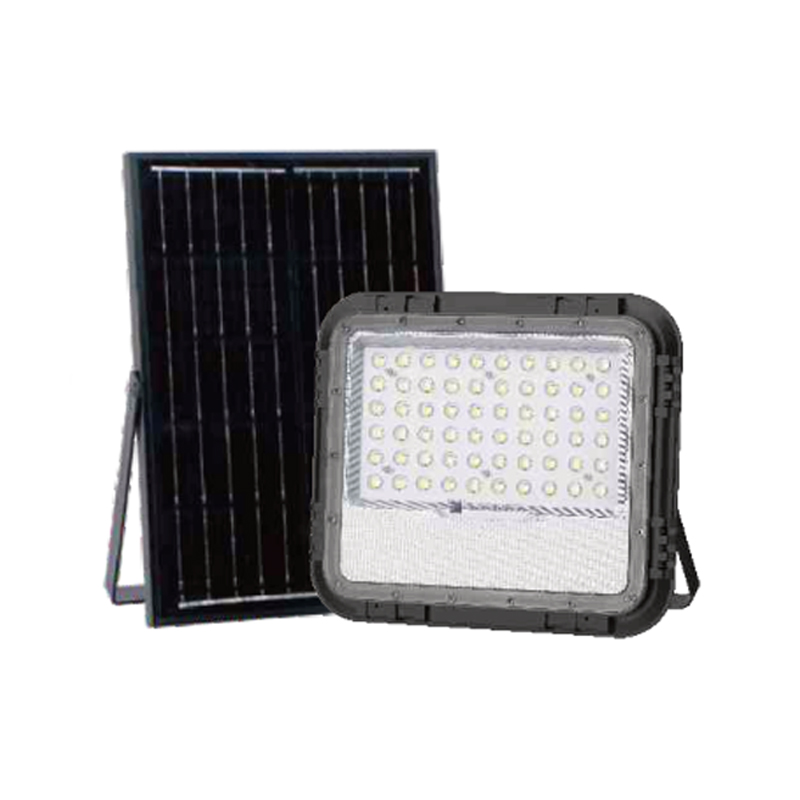
Industry News-Emergency waterproof and energy-saving floodlight sources are a type of lighting equipment that integrates waterproofing, dustproofing, emergency lighting, and energy-saving functions. Their technical characteristics are mainly reflected in the following aspects:
Waterproof and Dustproof Performance
- The lamp housing adopts a high protection rating design, usually reaching IP65 or above, effectively coping with rain, moisture, and dusty environments.
- The housing has good sealing performance, suitable for outdoor or industrial environments.
Emergency Power Supply Function
- Built-in battery or connectable to an emergency power supply; when the main power is cut off, the lamp can automatically switch to the backup power supply, providing immediate lighting.
- It can support several hours of continuous lighting, meeting the temporary lighting needs of urban roads, factory areas, or construction sites.
Energy-Saving Design
- Uses high-efficiency LED light sources, significantly reducing energy consumption compared to traditional incandescent or metal halide lamps.
- Stable light output, long lifespan, and extended maintenance cycle.
Lighting Uniformity and Coverage
- The lamp design focuses on beam angle and light intensity distribution, achieving large-area uniform illumination and reducing blind spots.
- Suitable for road lighting, factory work areas, and large public places.
Easy Installation and Maintenance
- Can be installed via wall mounting, pole mounting, or mobile brackets.
- Simple maintenance, easy-to-clean lamp surface, and replaceable power module.
Promotion Background and Policy Support
In recent years, urban management departments have continuously emphasized infrastructure safety and energy-saving goals. Some regions have begun to incorporate emergency waterproof and energy-saving floodlight sources into public lighting upgrade plans. Policy support is reflected in the following aspects:
- Energy Saving and Emission Reduction Requirements
Urban lighting energy consumption accounts for a high proportion of public electricity consumption; the promotion of energy-efficient lamps can reduce overall energy consumption, meeting energy-saving and emission reduction targets.
- Public Safety Management
In the event of nighttime accidents or natural disasters, emergency lighting ensures the safety of roads, traffic, and public places.
- Facility Upgrade Plans
Policies encourage the replacement of old lighting facilities with lamps that combine waterproofing, energy saving, and emergency functions, improving the reliability of urban lighting systems.
- Funding Subsidies and Procurement Standards
Some regions provide financial subsidies to support the use of energy-saving and emergency lighting equipment in public projects.
Procurement standards are gradually being standardized, with clear requirements for energy efficiency, protection rating, and emergency performance.
Application Cases
- 1. Urban Road and Bridge Lighting
Emergency waterproof and energy-saving floodlights have been widely used in the construction of urban roads and bridges in several cities. For example, a city installed multiple sets of LED floodlights in the construction area of a cross-river bridge, which feature waterproof and emergency power supply functions. Construction personnel reported that the lighting system remained stable even in rainy weather or during temporary power outages, ensuring safety during nighttime construction.
- 2. Industrial Park and Warehouse Lighting
Industrial parks require high stability in lighting for nighttime operations. Emergency waterproof and energy-saving floodlights are used in main passages, storage areas, and loading and unloading platforms of factories, ensuring sufficient light in the work areas while also reducing electricity costs. At the same time, when the power supply is interrupted, the lights can automatically switch to a backup power source, reducing safety hazards.
- 3. Transportation Hubs and Public Places
In large transportation hubs, such as train stations, subway stations, and parking lots, the emergency function of waterproof and energy-saving floodlights is particularly important. In the event of an unexpected power outage at night, the lights can quickly activate, providing safe passage guidance for pedestrians and vehicles.
- 4. Outdoor Sports Fields and Scenic Area Lighting
Some outdoor sports fields and scenic areas also use waterproof and energy-saving floodlights during nighttime operation. The lights are waterproof and can maintain a certain level of illumination during sudden power outages, ensuring the safety of visitors and the smooth operation of the scenic area. IV. Technical Comparison and Performance Reference
To facilitate understanding of the characteristics of different luminaires, the following table provides reference information on the key performance aspects of emergency waterproof energy-saving floodlights:
| Item | Features | Applicable Scenarios | Maintenance Instructions |
| Protection Rating | IP65 and above, waterproof and dustproof | Outdoor roads, bridges, industrial areas, scenic spots | Regularly clean the luminaire surface and check the sealing ring |
| Light Source Type | High-efficiency LED light source, adjustable color temperature | Factories, parking lots, sports fields, public lighting | Long LED lifespan, extended maintenance cycle |
| Emergency Power Supply | Built-in backup battery or connected to emergency power supply, continuous lighting for several hours | Night construction, power outage emergencies, public safety areas | Regularly check the battery, replacement cycle depends on usage frequency |
| Energy Consumption and Energy Saving | Lower energy consumption compared to traditional metal halide or incandescent lamps | City roads, industrial parks, scenic spot lighting | Regularly check the power module and driver |
| Beam Angle and Coverage | Uniform beam, wide coverage, reduces blind spots | Large outdoor areas, squares, parking lots | Adjust the angle during installation to ensure uniform lighting |
| Installation Method | Wall-mounted, pole-mounted or mobile bracket | Various outdoor lighting applications | Secure installation, regularly check screws and brackets |
Market Development and Trends
According to industry observations, the application range of emergency waterproof energy-saving floodlights is expanding in the market, with the following main trends:
- Increased proportion of energy-saving products
In new lighting projects, high-efficiency LED luminaires have become mainstream, and traditional high-energy-consuming light sources are gradually being replaced.
- Multi-functional integration trend
Luminaires not only have lighting functions but also integrate emergency power supply, protection, intelligent control, and remote monitoring functions.
- Standardization and normalization
Clear standards are being established for emergency lighting performance, protection rating, and energy efficiency requirements, promoting the standardized development of the market.
- Intelligent control and monitoring
Some city projects have begun piloting remote monitoring of luminaire operating status, enabling power consumption statistics, fault alarms, and timed control.
Increased application in outdoor and extreme environments
Luminaires with strong waterproof, dustproof, and weather-resistant performance are being used more in outdoor bridges, industrial parks, and scenic spot night lighting.
Experts in lighting and public safety recommend that public projects should pay attention to the following points when purchasing emergency waterproof energy-saving floodlights:
- Select the protection rating according to the usage environment
IP65 and above luminaires should be used in areas with frequent outdoor rainfall, and dustproof and shockproof performance should be considered in industrial areas.
- Assessing Emergency Lighting Needs
The power reserve and duration of emergency lighting should meet the actual needs of the site to ensure safe illumination in the event of a power outage.
- Focus on Energy Efficiency and Lifespan
High-efficiency LED luminaires not only reduce energy consumption but also lower maintenance costs and replacement frequency.
- Combining Maintenance and Monitoring
For large public lighting systems, regular inspections and remote monitoring mechanisms should be established to ensure the long-term stable operation of the luminaires.
Emergency waterproof and energy-efficient floodlights are gradually becoming an important infrastructure for urban public lighting, industrial parks, transportation hubs, and outdoor venues. They combine waterproof, dustproof, emergency lighting, and energy-saving functions, providing reliable illumination during sudden power outages or adverse weather conditions, while also reducing daily energy consumption and maintenance costs.
Our Products //
Related Products
-
[email protected]

-
+86-18966108111 / +86-13325868369

-
No. 306, Building 13, Yanjiang Industrial Park, Linhai City, Taizhou, Zhejiang Province