

 English
  русский
  한국어
한국어  عربى
عربى 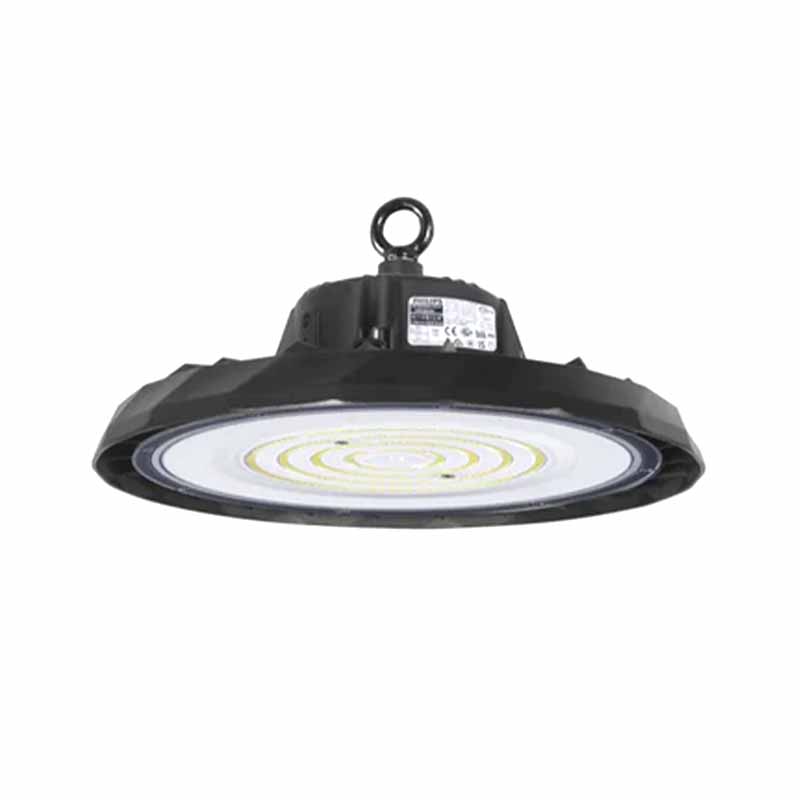
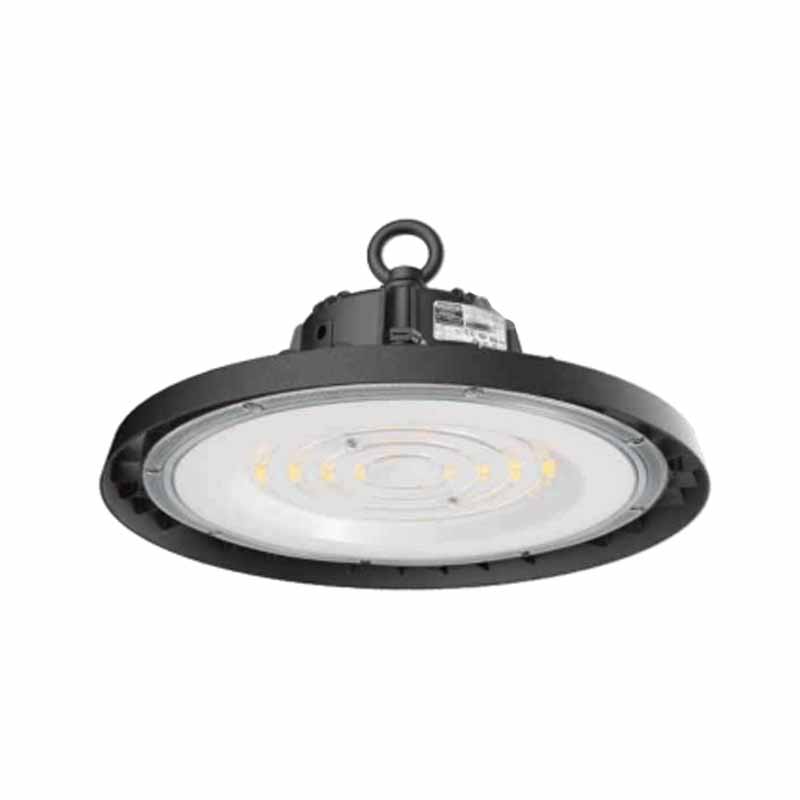
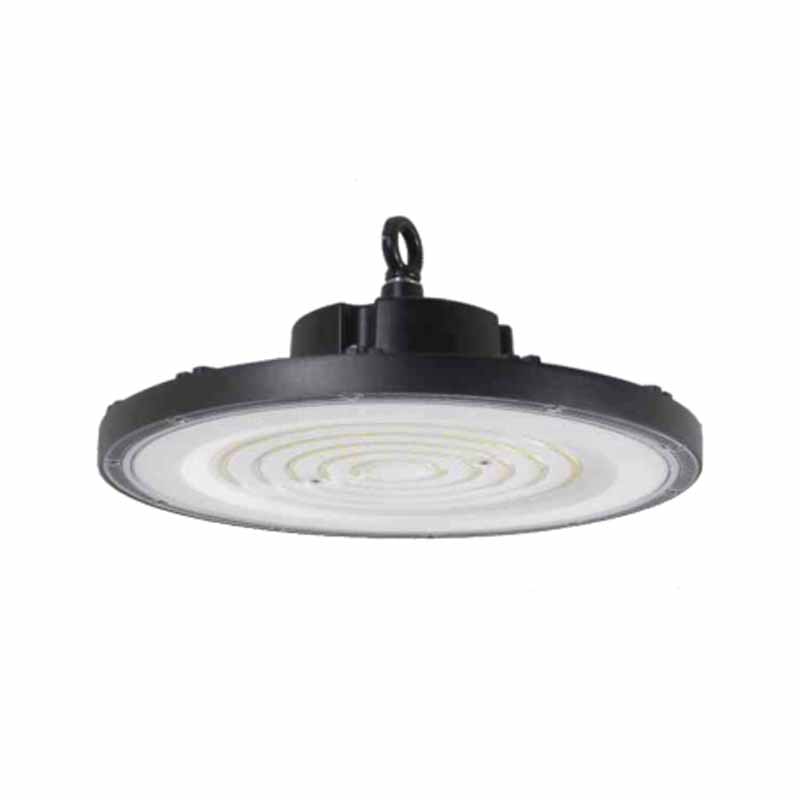
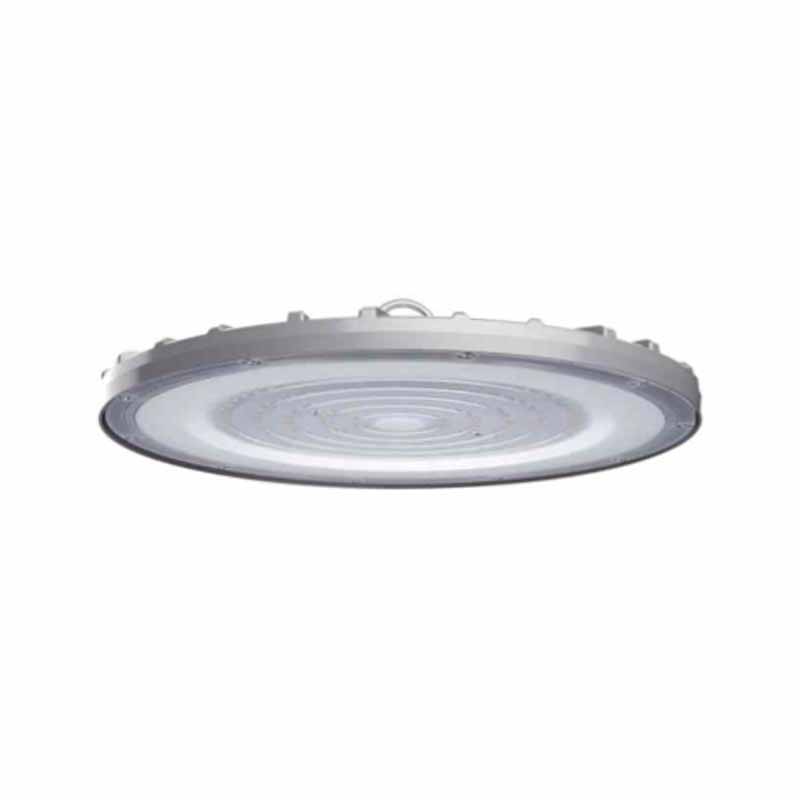
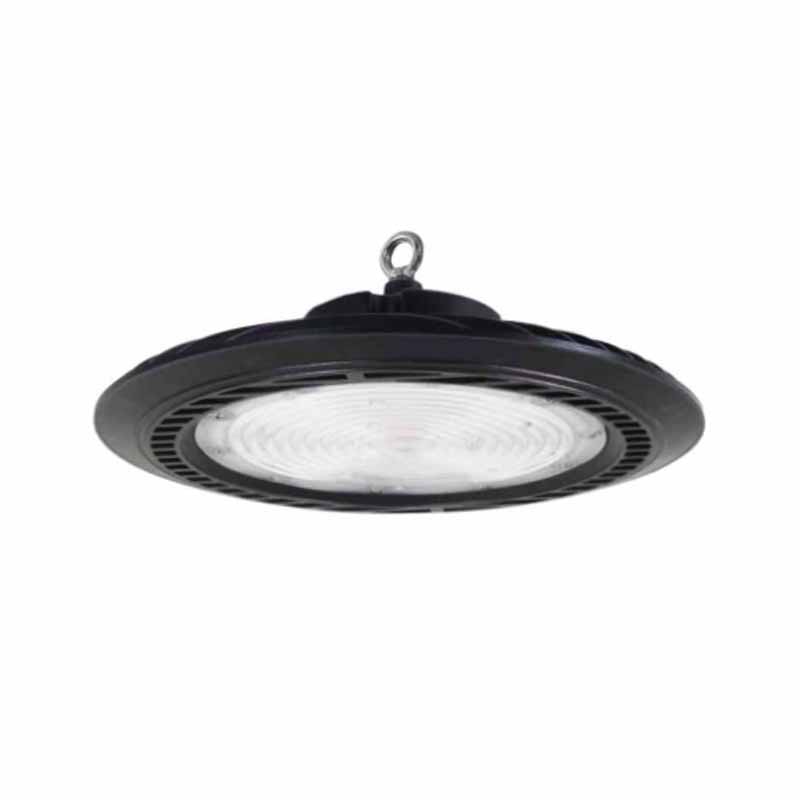
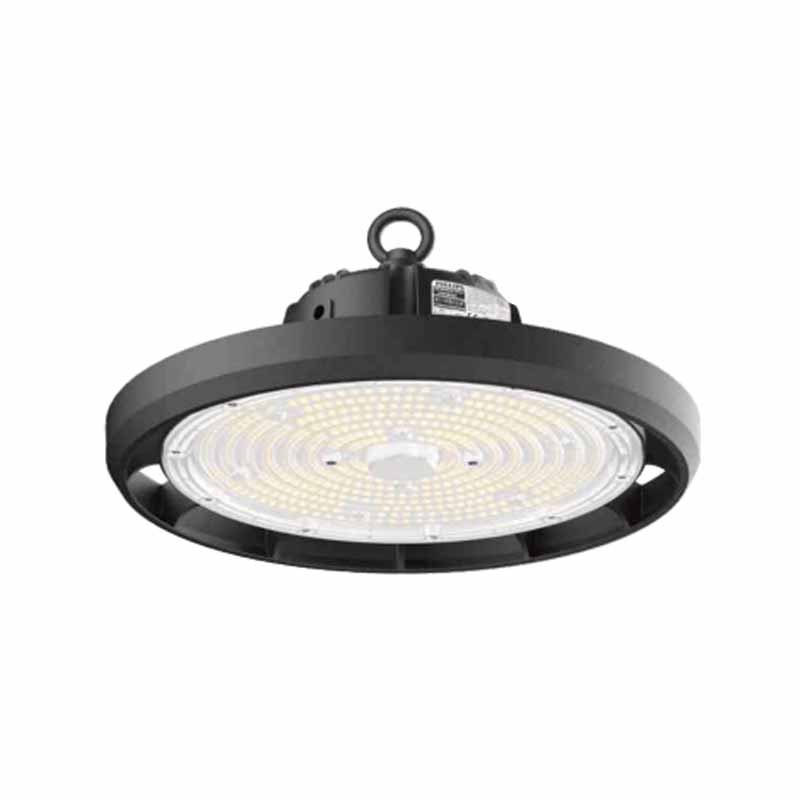
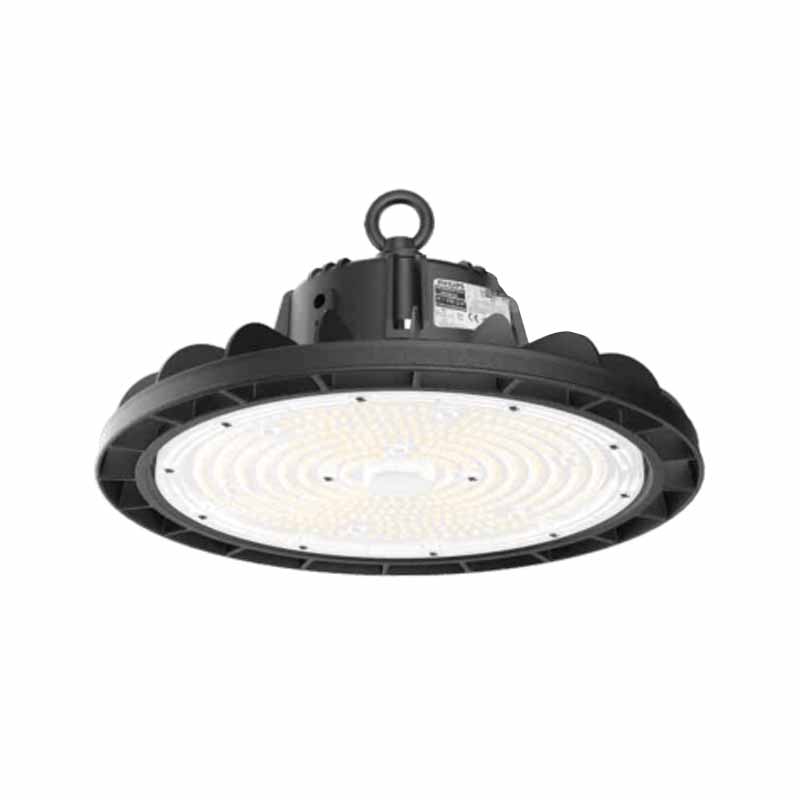
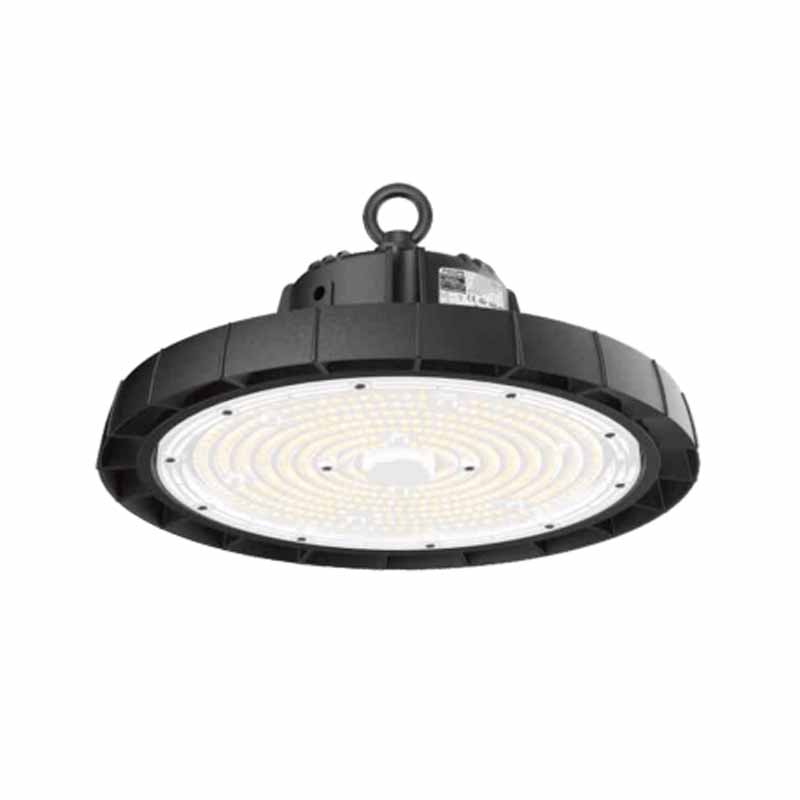
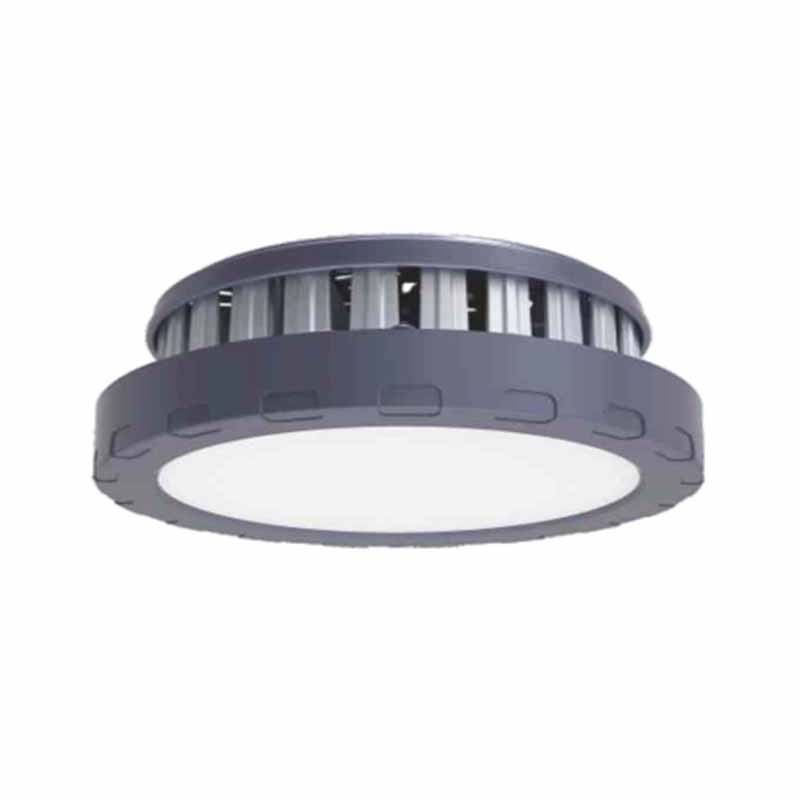
Track Spotlight systems continue to shape the way interiors highlight architectural and decorative features. Unlike fixed ceiling ...
READ MOREIndustrial And Special Scene Lighting
Yicheng provides reliable industrial and specialty lighting solutions designed to meet the demanding requirements of factories, warehouses, production facilities, and other unique environments. With our self-owned manufacturing plant, we ensure strict quality control and flexible production, allowing for tailored lighting solutions that fit complex operational needs.
Customization is a key strength at Yicheng—we develop lighting systems that suit various industrial conditions, including high-temperature zones, high ceilings, moisture-prone areas, and hazardous locations. Our solutions are engineered to enhance safety, efficiency, and visibility, all while being cost-effective with fair and transparent pricing.
Innovation guides our development process. We continuously explore new materials, technologies, and designs to keep pace with industry advancements. Whether it’s explosion-proof lights, high bay lighting, or task-specific fixtures, our products are built with durability and performance in mind.
Our commitment to “quality first, service foremost” ensures a dependable partnership. From the planning stage to after-sales support, Yicheng offers comprehensive services to deliver consistent results and long-term value.
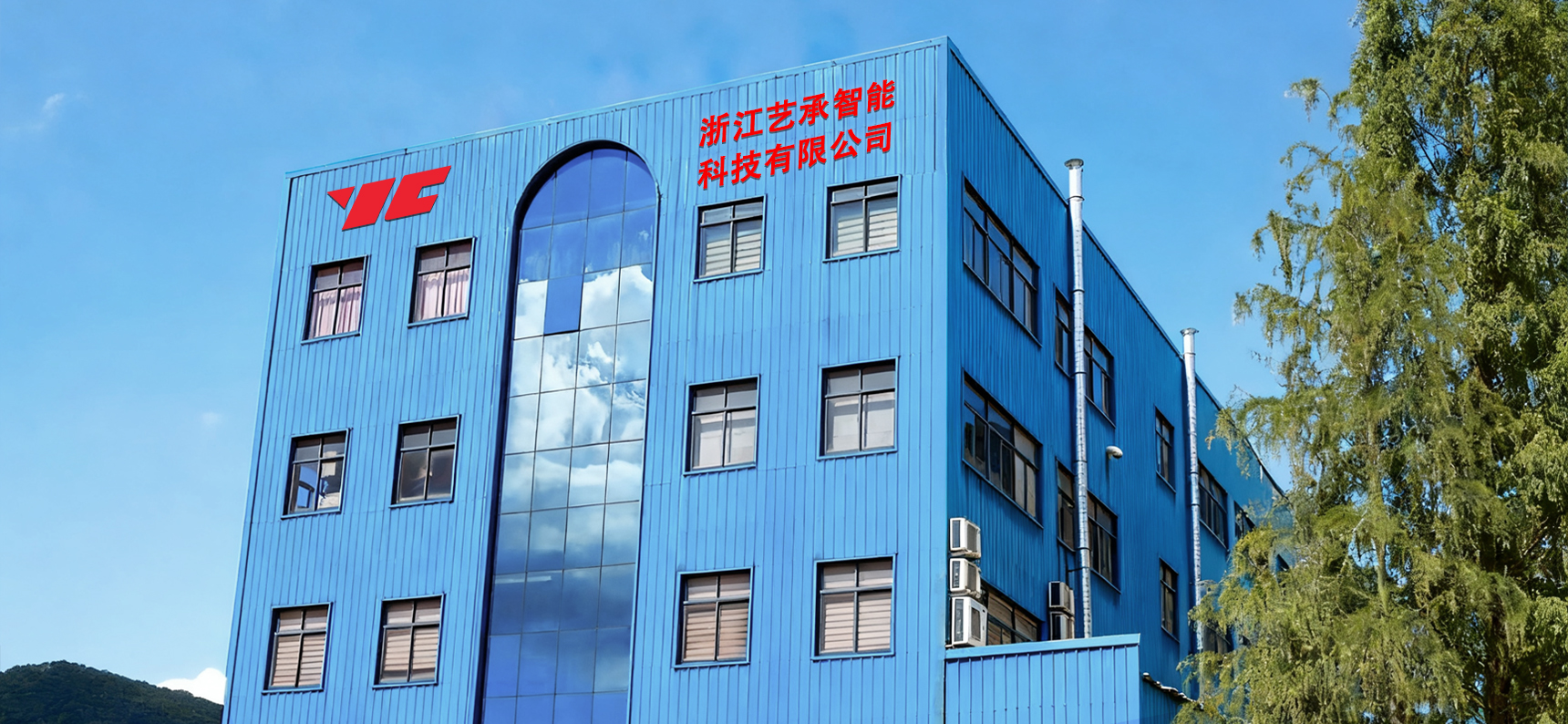
Zhejiang Yicheng Intelligent Technology Co., Ltd.
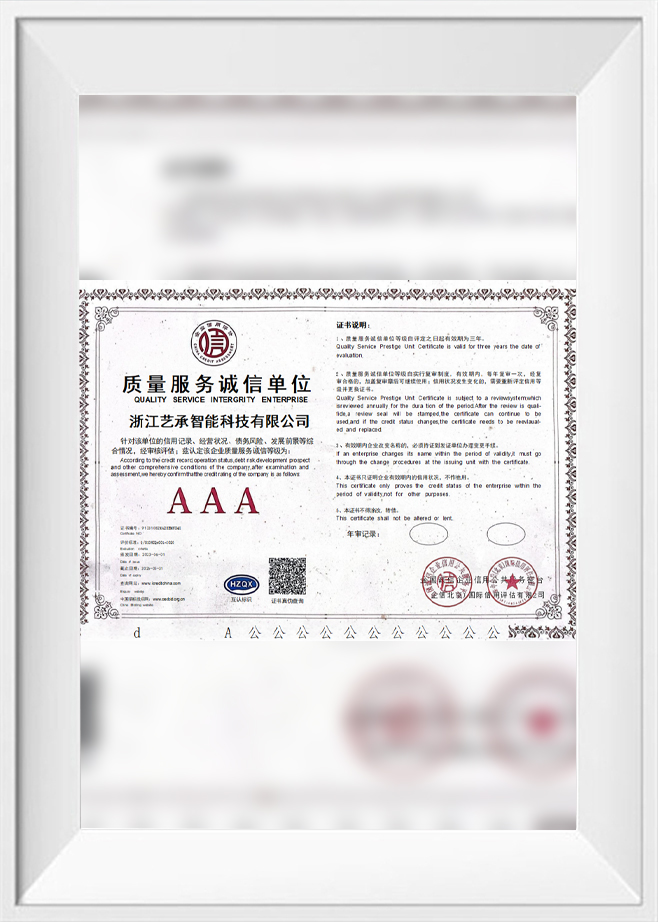
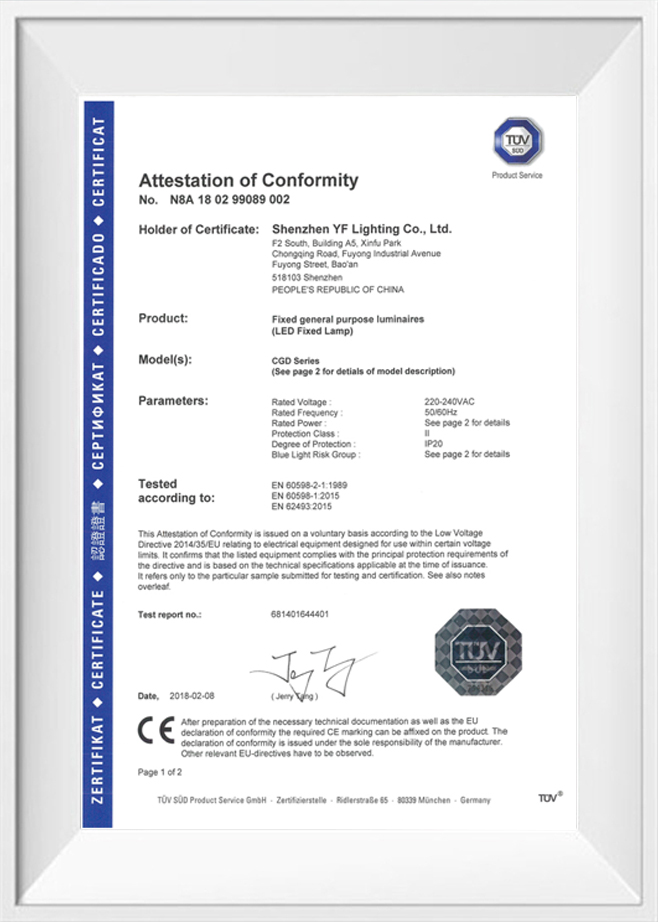
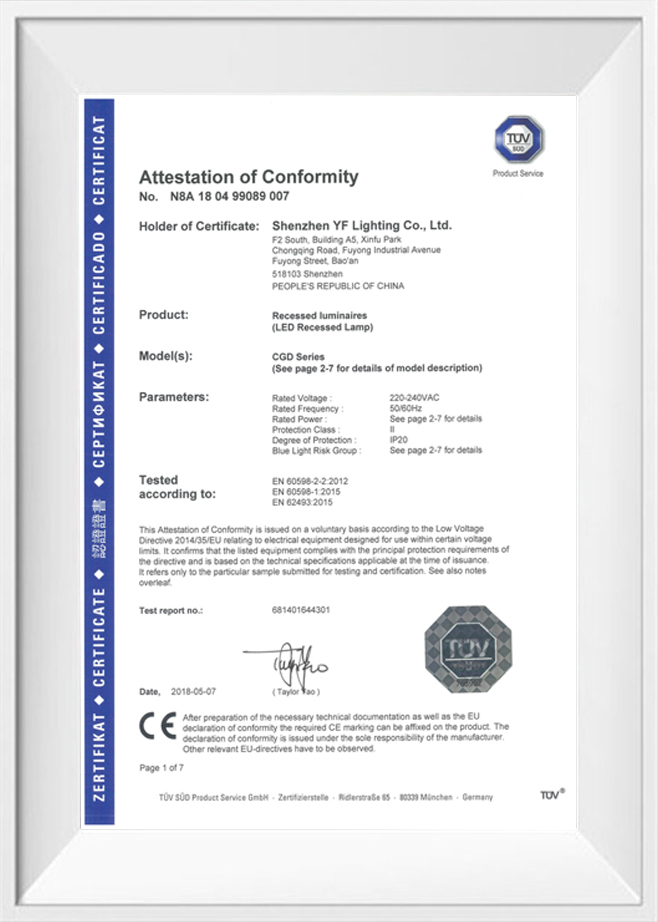
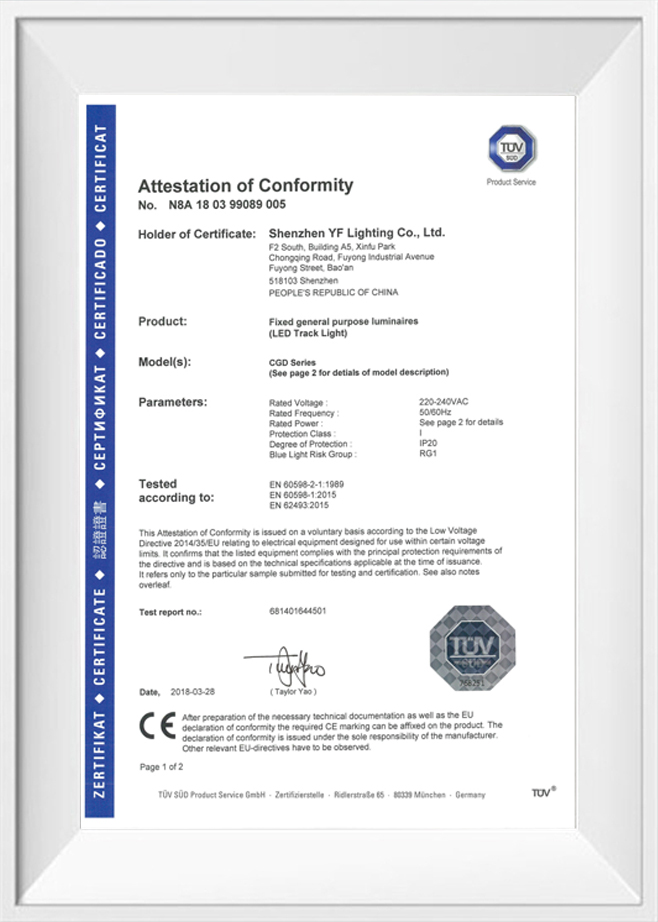
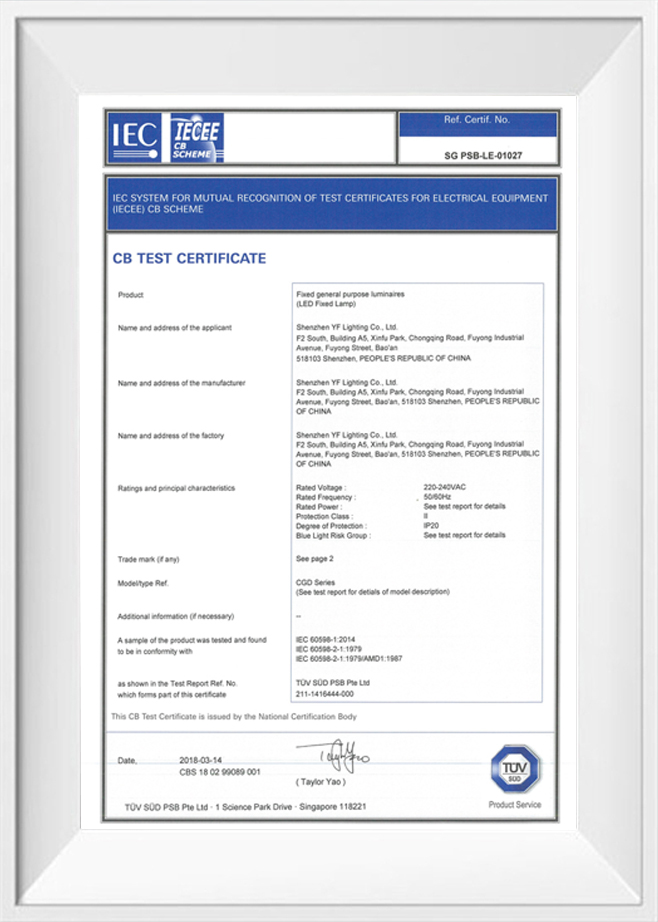
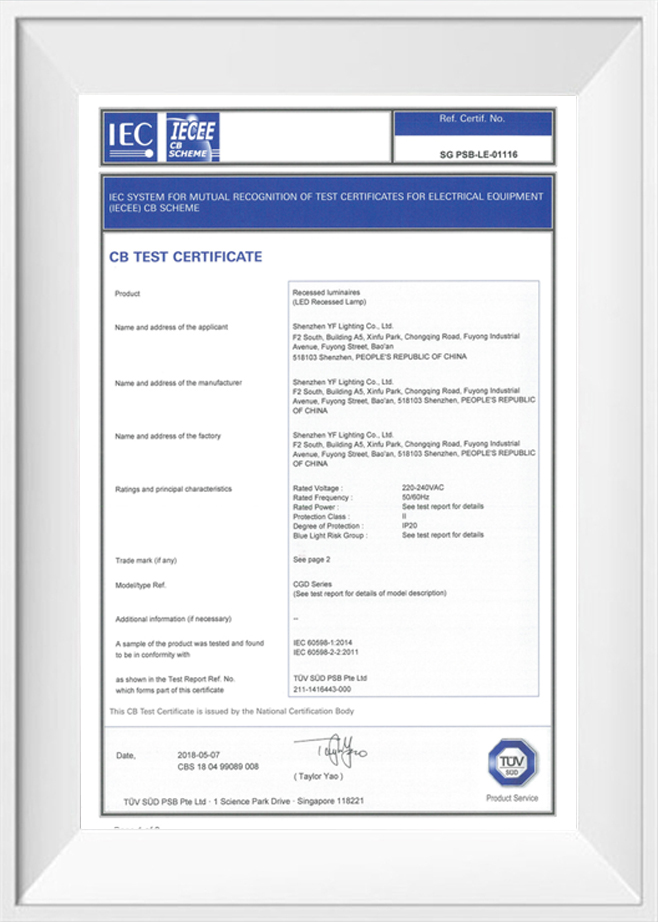
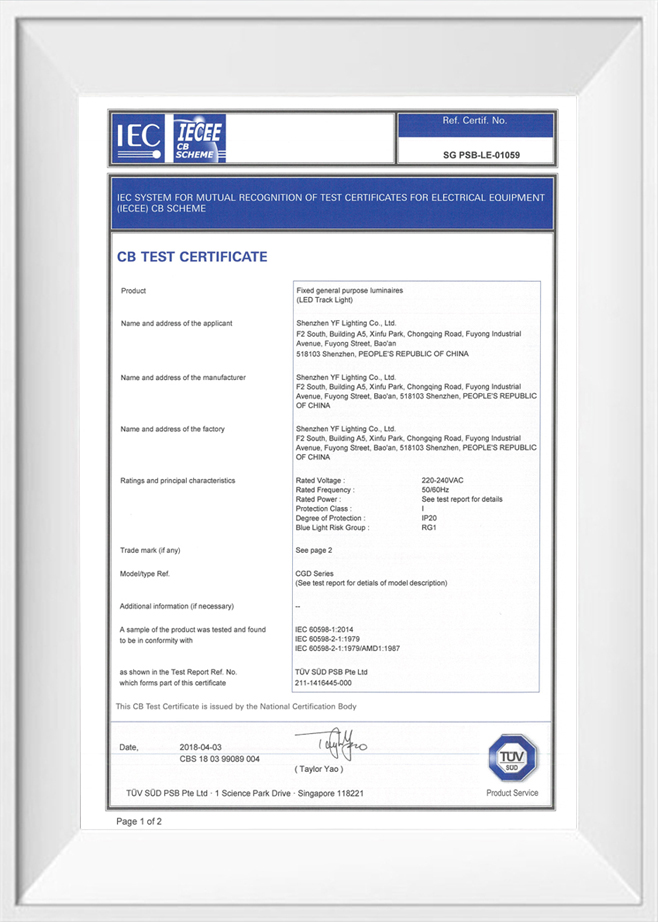
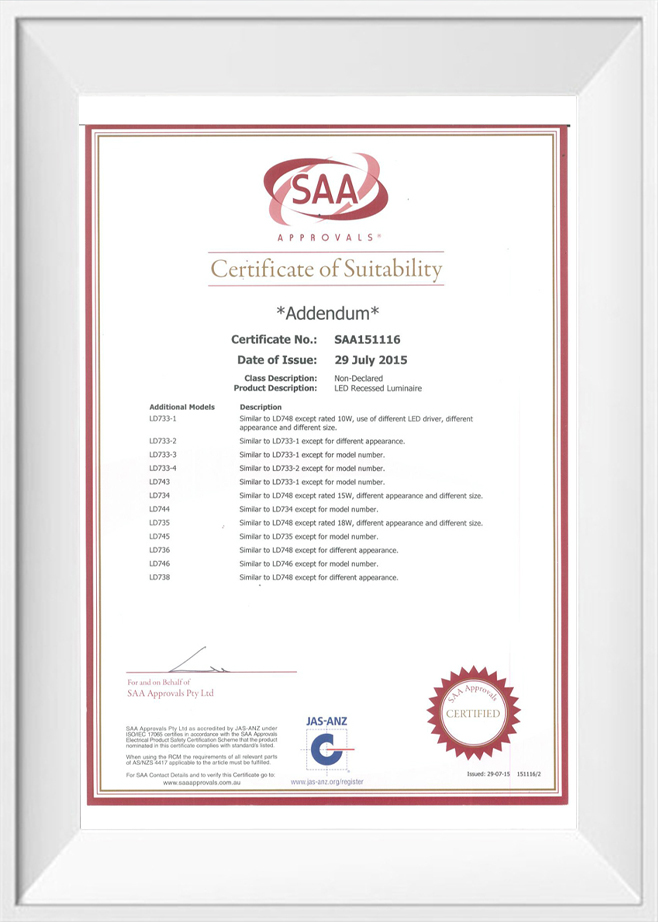
Founded in 2008, Yicheng Technology is one of China's earliest specializing in the R&D, production, and sales of Industrial And Special Scene Lighting. For many years, Yicheng Technology has specialized in the Industrial And Special Scene Lighting industry. Its products are manufactured under the ISO9001:2015 quality management system and have passed authoritative certifications, including the EU CE, ROHS, China 3C, CB, ERP energy consumption, Australian SAA, and Indian IBS. With rigorous R&D and strict production practices, Yicheng Technology offers a three-year warranty. Its business scope covers various countries and regions, and it has partnered with numerous renowned lighting brands, both domestically and internationally, for OEM/ODM services, earning widespread acclaim. Yicheng Technology also provides professional LED commercial lighting solutions.
-
0
Establishment
Founded in 2008, Yicheng has 17 years of experience in the industry.
-
0+
Current Employee
We have more than 200 employees, including 60 technical R&D personnel.
-
0m²
Factory Area
We have a large manufacturing plant to meet order needs
Certificate Of Honor
News
-
-
Smart Lighting has moved from a niche concept to a widely discussed feature in residential and commercial interiors. The shift ref...
READ MORE -
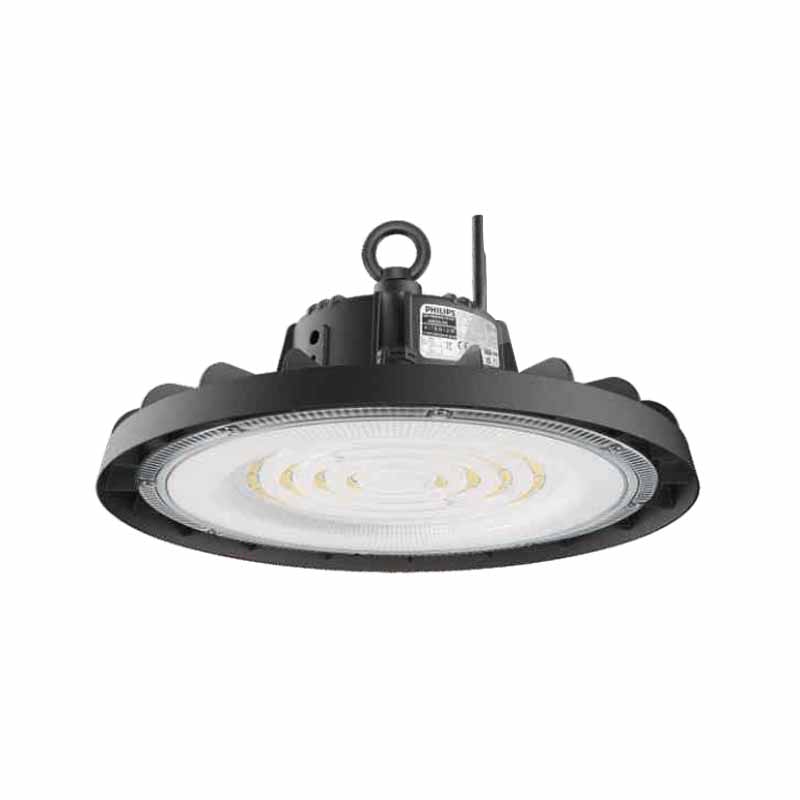
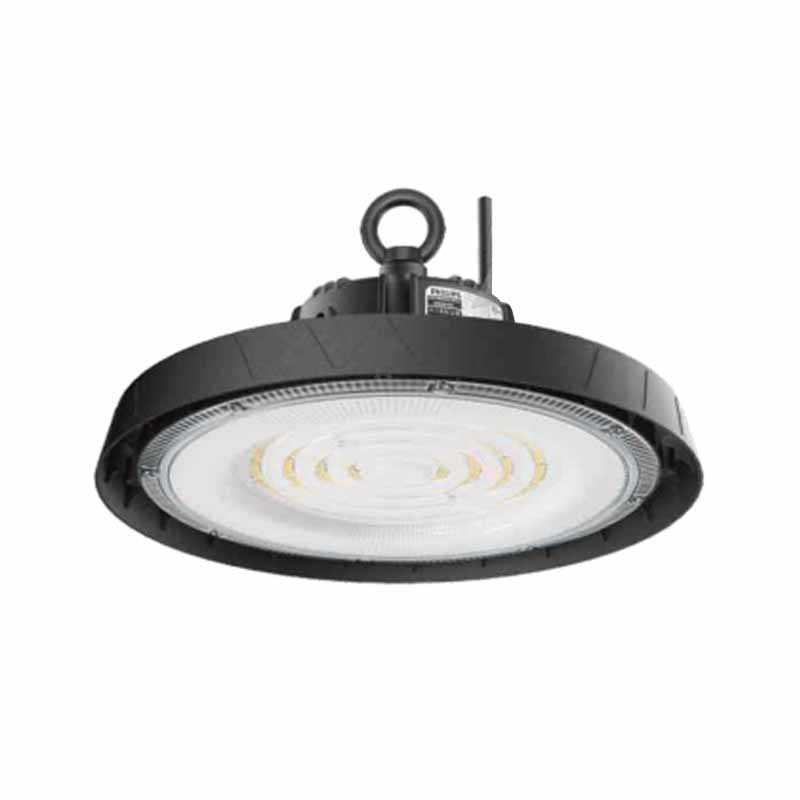
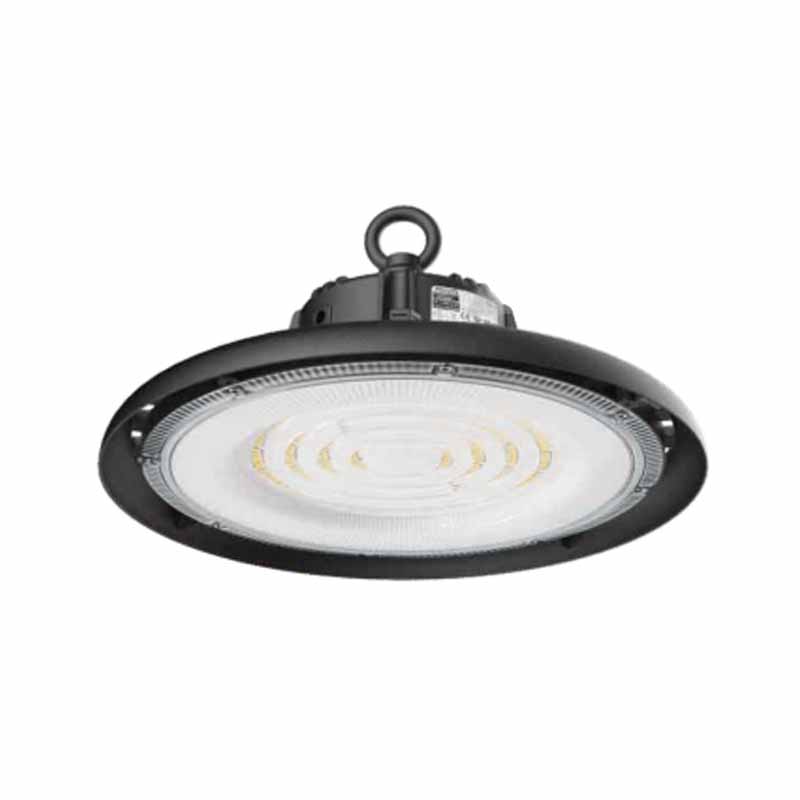
Understanding the Role of High Bay Light in Large Spaces High Bay Light fixtures are engineered to illuminate spaces with elevated...
READ MORE -
How Garden Light Enhances Outdoor Atmosphere Garden Light products have become a defining feature in residential and commercial la...
READ MORE -
Outdoor lighting must perform under conditions that change constantly. Rain, dust, temperature shifts, and extended operating hour...
READ MORE
Message Feedback
Industry knowledge
Industrial and Special Scene Lighting refers to high-brightness, durable, and efficient lighting systems designed for factories, warehouses, tunnels, sports venues, stages, and other special environments. It not only meets basic lighting needs but also considers safety, energy efficiency, and environmental adaptability.
Definition and Importance of Industrial and Special Scene Lighting
Industrial and special scene lighting refers to lighting systems specifically designed for industrial production environments and specific application scenarios, typically requiring the following characteristics:
- High brightness and uniformity: Ensuring visual needs in production lines, storage areas, or special operating areas.
- Stability and reliability: Adapting to harsh environments such as high temperature, humidity, dust, or vibration.
- Energy efficiency and low maintenance costs: Reducing energy consumption and maintenance frequency in long-term working environments.
- Safety: Avoiding glare and flicker, ensuring visual comfort and safe operation for personnel.
Industrial and special scene lighting plays a core role in ensuring production safety, improving work efficiency, extending equipment life, and improving employee comfort. Some Engineering Lighting solutions emphasize the controllability, durability, and ease of maintenance of engineering applications, while combining with Energy-Efficient Light Sources can reduce energy consumption while ensuring lighting efficiency, achieving sustainable lighting solutions.
Application Scenario Classification
Industrial and special scene lighting has a wide range of applications, which can be divided into the following categories based on function and environment:
Industrial Production Lighting
- Factories, workshops, assembly lines, etc., requiring high brightness and uniform illumination.
- The focus is on ensuring the visibility and safety of production operations while meeting standardized engineering lighting specifications.
Warehousing and Logistics Lighting
- High-bay warehouses, cold chain logistics, and automated storage systems.
- Luminaires need to provide uniform vertical and horizontal illumination while considering energy consumption and maintenance costs.
Road and Tunnel Lighting
- Highways, urban roads, and tunnel lighting.
- Requires uniform light distribution, anti-glare features, and visual comfort for night driving.
Sports Venues and Large Public Facilities Lighting
- Sports stadiums, exhibition centers, conference venues, etc.
- Lighting needs to meet visual effects, live broadcast requirements, and audience experience.
Stage and Special Environment Lighting
- Theaters, stages, and film and television shooting locations.
- Emphasizes beam control, color rendering, and multi-scene switching capabilities.
Special Industrial Environments
- High-temperature furnaces, chemical plants, and explosion-proof environments.
- Luminaires need to be corrosion-resistant, explosion-proof, dustproof, and high-temperature resistant.
| Application Scenario | Lighting Type/Solution | Main Advantages |
| Factory Workshops | Engineering Lighting | High brightness, uniform light, suitable for long-term work |
| Warehousing and Logistics | Energy-Efficient Light Sources | High efficiency and energy saving, uniform light coverage, low maintenance costs |
| Roads and Tunnels | LED Road and Tunnel Lights | Anti-glare, uniform illumination, improving nighttime driving safety |
| Sports Stadiums | Stage Floodlights / Spotlights | High brightness, controllable beam, suitable for large-scale events and live broadcasts |
| Theaters and Film/Television Shooting Locations | Professional Stage Spotlights | Precise beam, enabling rapid switching of colors and scenes |
| Chemical Plants / High-Temperature Environments | Explosion-Proof High-Efficiency Lighting | Corrosion-resistant, explosion-proof, dustproof, suitable for extreme environments |
Technical Characteristics of Industrial and Special Scene Lighting
High Brightness and Uniformity Design
- Utilizes high-efficiency light sources and optimized optical design to ensure uniform illumination in production areas or special scenarios.
- Light distribution can be optimized according to space height, work requirements, and visual tasks.
Environmental Adaptability
- Dustproof, moisture-proof, corrosion-resistant, and high-temperature resistant design.
- Special environments such as chemical plants, explosion-proof areas, or high-temperature furnaces require specially designed lighting fixtures.
Intelligent Control and Dimming
- Combined with intelligent control systems, it enables zone dimming, light sensing adjustment, and time-based control.
- Effectively reduces energy waste and enhances scene flexibility.
Energy Efficiency
- Uses Energy-Efficient Light Sources, such as high-efficiency LEDs, fluorescent lamps, or hybrid light source solutions.
- High luminous efficacy, long lifespan, and low energy consumption reduce long-term operating costs.
Safety and Comfort
- Anti-glare and flicker-free design ensures the visual health of workers and the public.
- Optimized color temperature and color rendering improve object recognition and spatial comfort.
Design Principles and Engineering Applications
Optical Design Optimization
- Designs beam distribution and lighting layout based on spatial layout and work requirements.
- Engineering lighting solutions typically use simulation software for illumination analysis to optimize the number and location of lighting fixtures.
Zoned Lighting and Layered Control
- Efficient zoned lighting can meet the light intensity requirements of different areas while saving energy.
- For example, vertical lighting is used for high-bay shelving in warehousing areas, and horizontal lighting is used for aisle areas.
Energy Saving and Sustainable Development
- Uses Energy-Efficient Light Sources and intelligent control to reduce energy consumption.
- Regular maintenance and upgrading of lighting fixtures extend their lifespan and improve return on investment.
Safety and Regulatory Compliance
- Industrial and special-purpose lighting must comply with national or industry standards, such as explosion-proof certification and tunnel lighting specifications.
- Safety factors must be considered in the design of installation, maintenance, and emergency lighting.
Energy-Saving Strategies for Industrial and Special-Purpose Lighting
- High-Efficiency Light Source Selection
Using high-efficiency LEDs, fluorescent lamps, or high-efficiency metal halide lamps reduces energy consumption.
- Intelligent Control Systems
Methods such as light sensing control, zone dimming, time control, and motion sensing can effectively save energy.
- Reflection and Optical Optimization
Using reflectors, lenses, and optical distribution designs improves light utilization and reduces waste.
- Maintenance Optimization
Regular cleaning of luminaires and optical components maintains stable light output.
- Hybrid Lighting Solutions
Industrial environments can combine natural and artificial lighting to achieve both energy savings and comfort.
Engineering Practice Case Studies
Large Industrial Plant Lighting
- Using high-efficiency LED floodlights and engineering lighting solutions ensures uniform illumination of production lines.
- Combined with an intelligent control system, it reduces electricity consumption during peak hours, saving up to 20% in energy.
Logistics and Warehouse Lighting
- High-bay warehouses use vertical floodlights and energy-efficient light sources to ensure visibility of shelves.
- Modular design of luminaires facilitates future expansion and maintenance.
Tunnel Lighting
- High-brightness, anti-glare LED luminaires are installed on the tunnel ceiling and walls to meet driver visual comfort and safety standards.
Sports Stadiums and Performance Venues
- Using stage spotlights with adjustable color temperature and brightness, balancing audience experience and broadcast requirements.
Maintenance and Management of Industrial and Special-Purpose Lighting
- Regular Inspection of Light Sources and Luminaires
Check luminaire fixation, light source brightness, and electrical wiring to prevent malfunctions.
- Cleaning of Luminaire Optical Components
Dust on lampshades, reflectors, and lens surfaces affects light output and should be cleaned regularly.
- Intelligent Management System Monitoring
Real-time monitoring of light source status, zone dimming, and fault alarms improves management efficiency.
- Environmental Adaptability Maintenance
In high-temperature, explosion-proof, or humid environments, durable materials should be selected to ensure long-term stable operation of luminaires.
Future Development Trends
- High Efficiency and Energy Saving
Light source efficiency continues to improve, and energy-efficient light sources are becoming mainstream, reducing long-term operating costs.
- Intelligent and Automated
Combined with the Industrial Internet of Things (IIoT), it enables automatic lighting adjustment, remote control, and data monitoring.
- Customized and Multifunctional
Industrial and special-purpose lighting places greater emphasis on personalized design, allowing for customization based on ambient color temperature, light distribution, and specific operational requirements.
- Green and Sustainable
The luminaires use recyclable materials, reducing environmental pollution and aligning with the principles of green factories and sustainable development.
- Hybrid Light Sources and Optimized Lighting Environment
Industrial spaces combine natural light, LEDs, and high-efficiency fluorescent light sources to create a comfortable, efficient, and energy-saving lighting environment.
-
[email protected]

-
+86-18966108111 / +86-13325868369

-
No. 306, Building 13, Yanjiang Industrial Park, Linhai City, Taizhou, Zhejiang Province