

 English
  русский
  한국어
한국어  عربى
عربى 
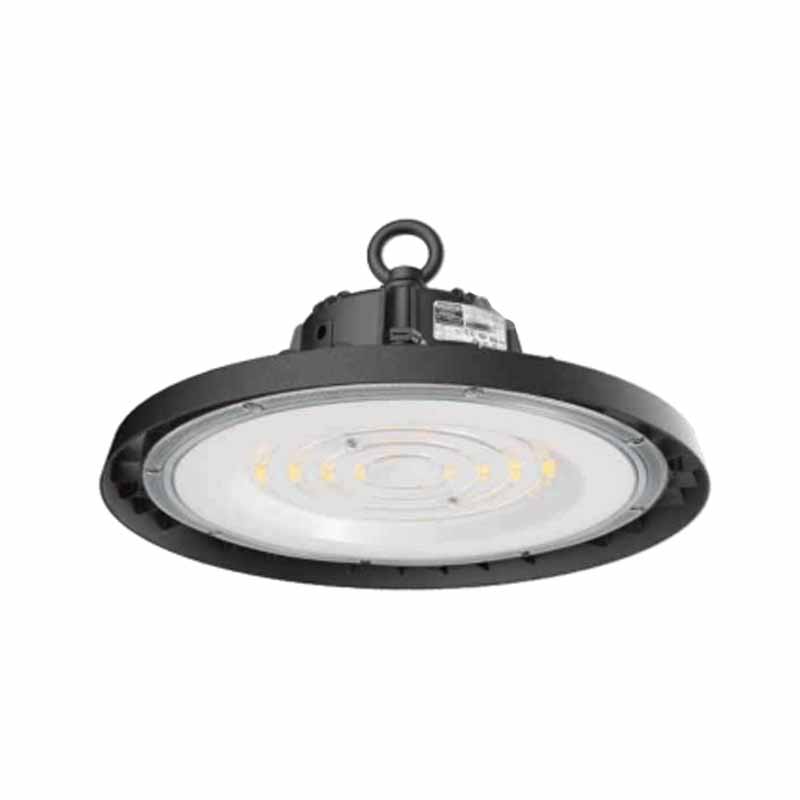
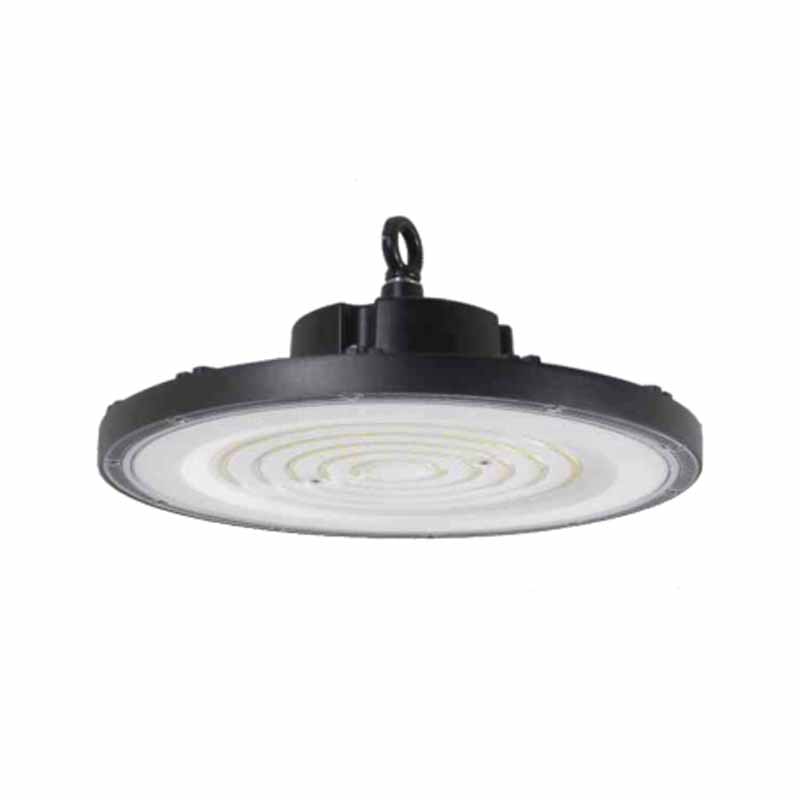
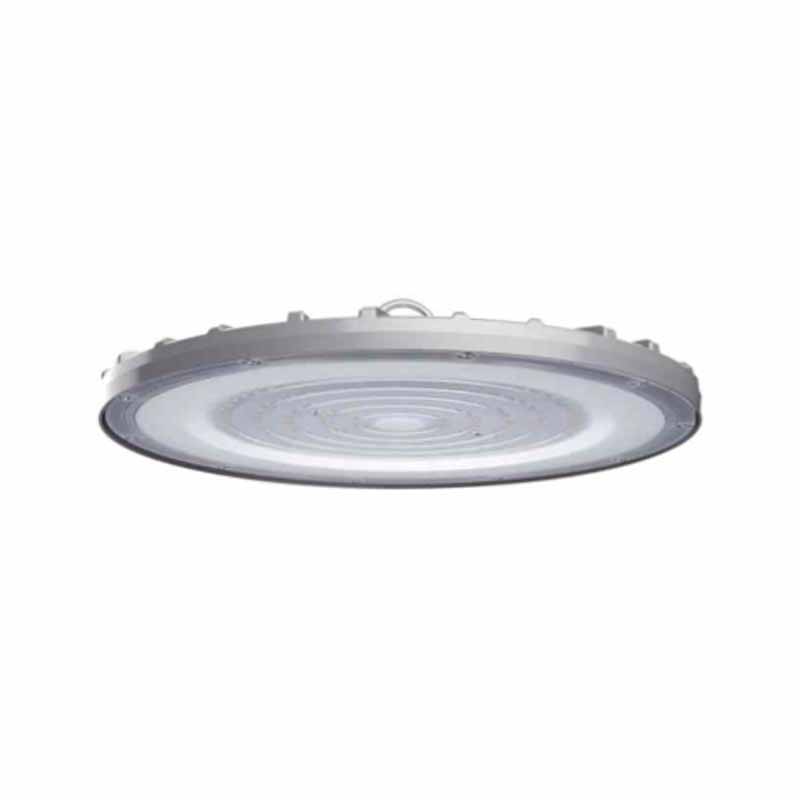
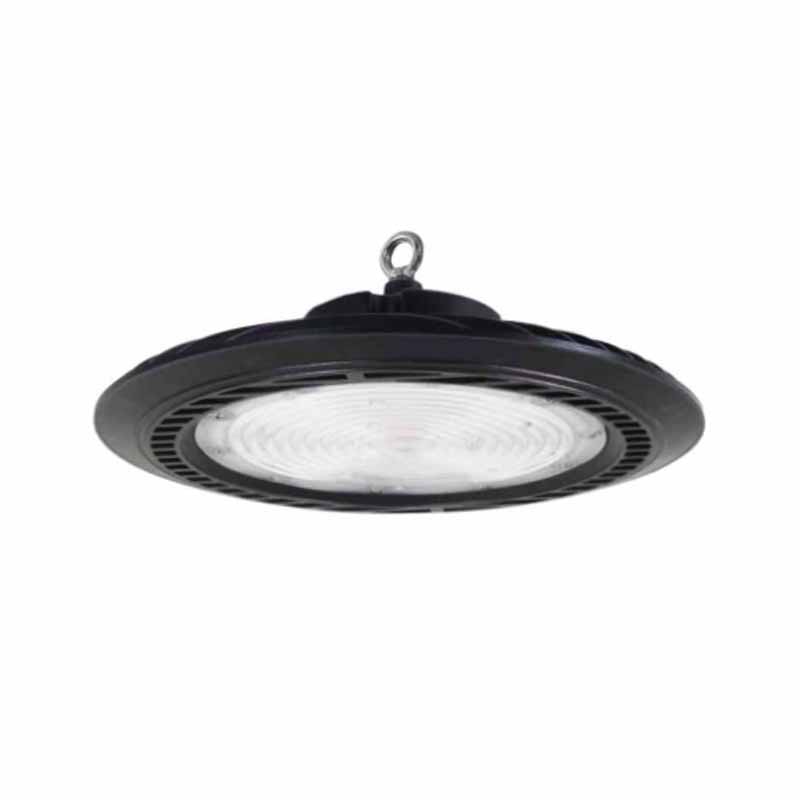
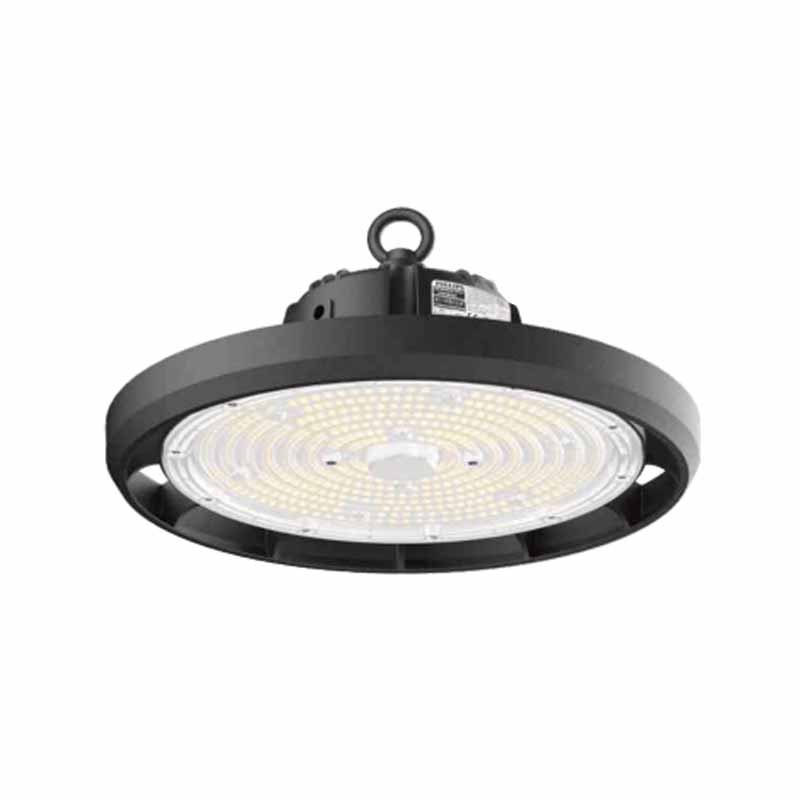
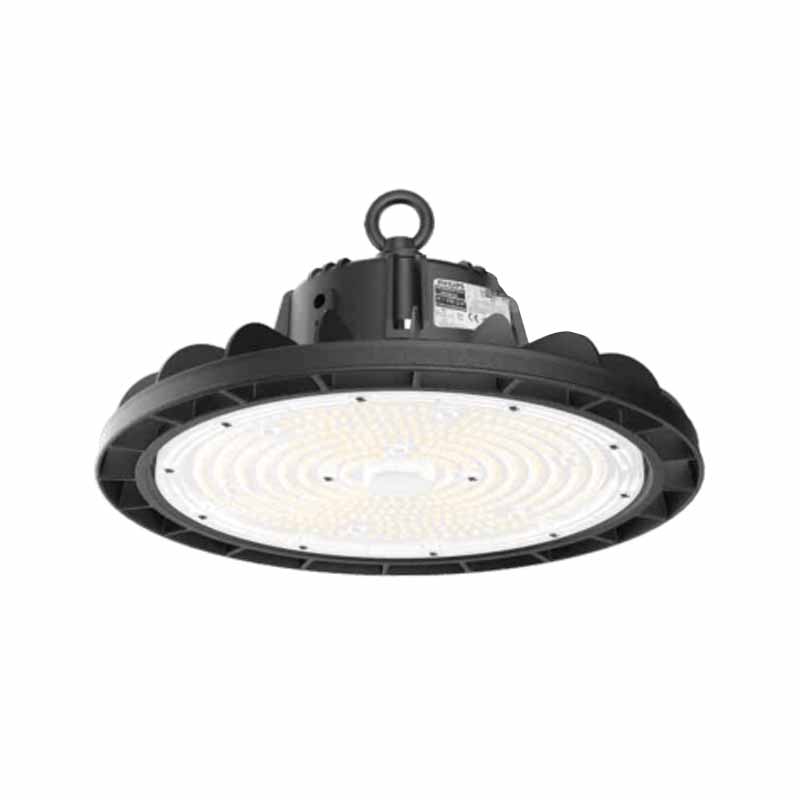
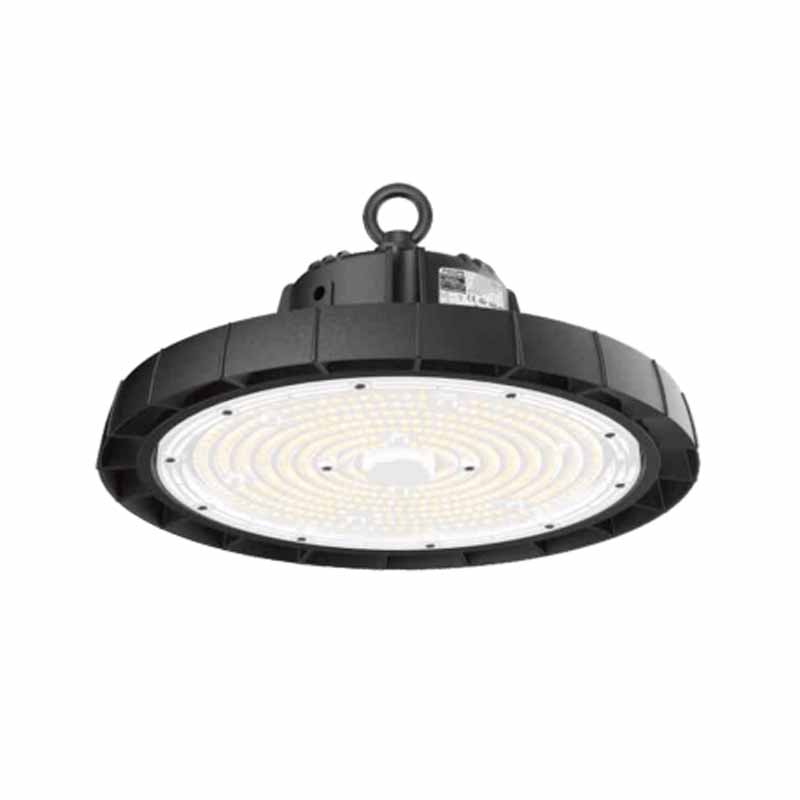
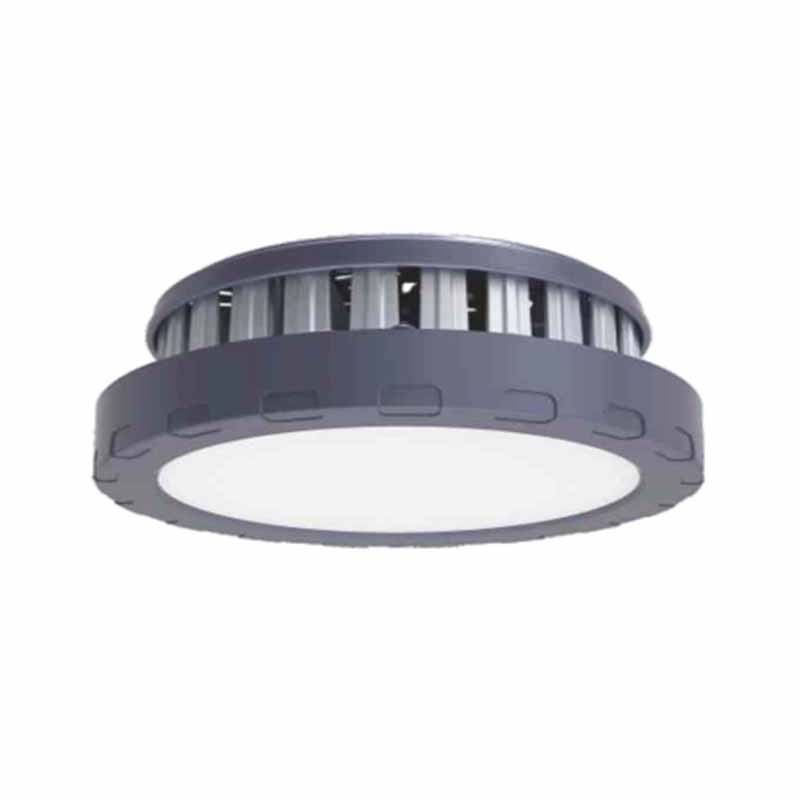
Track Spotlight systems continue to shape the way interiors highlight architectural and decorative features. Unlike fixed ceiling ...
READ MORELED Light
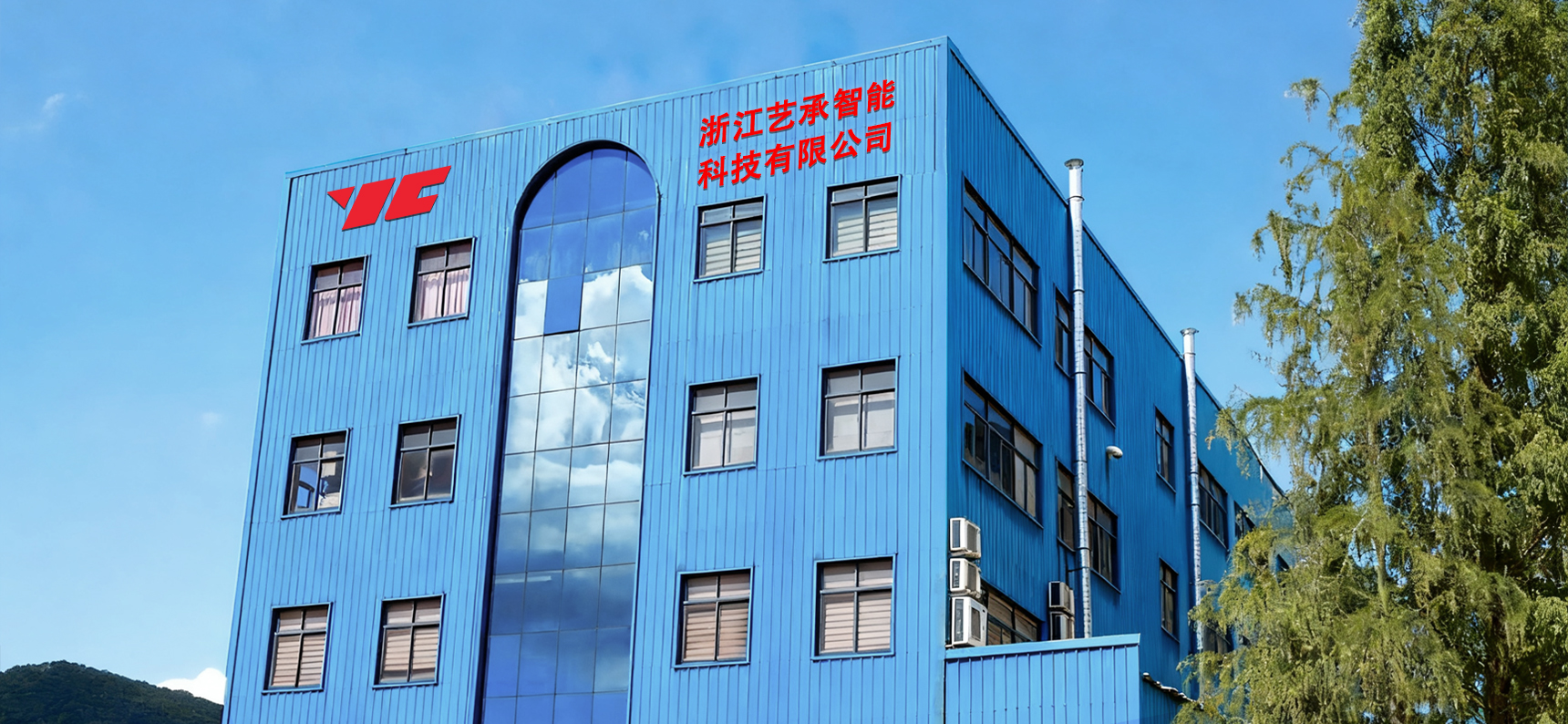
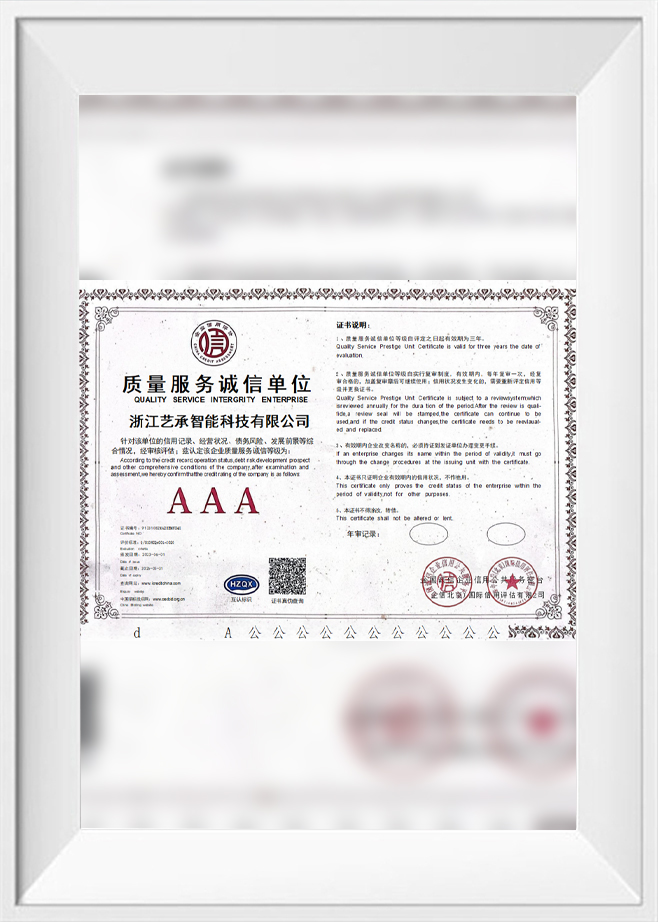
Zhejiang Yicheng Intelligent Technology Co., Ltd.
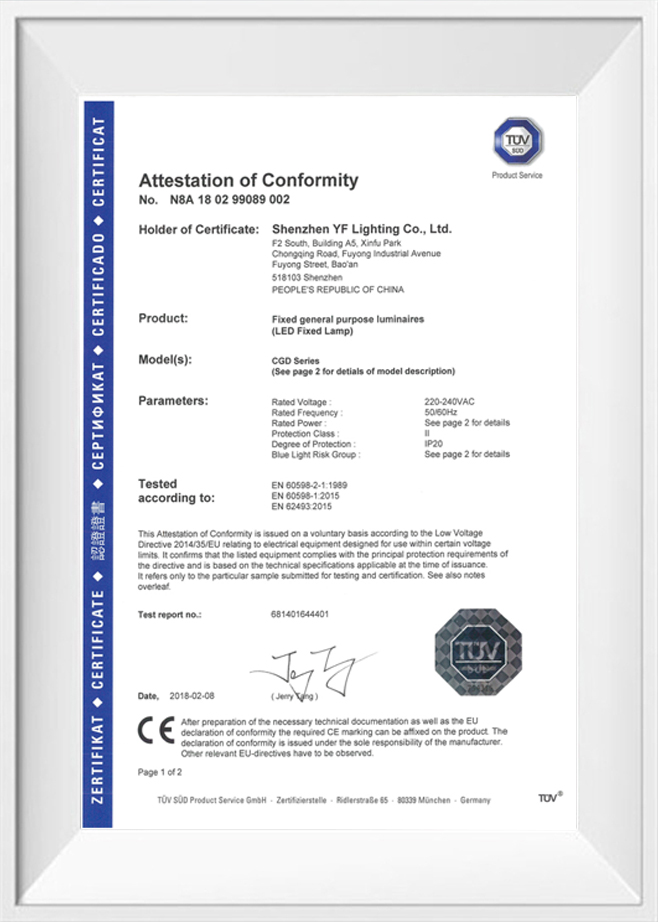
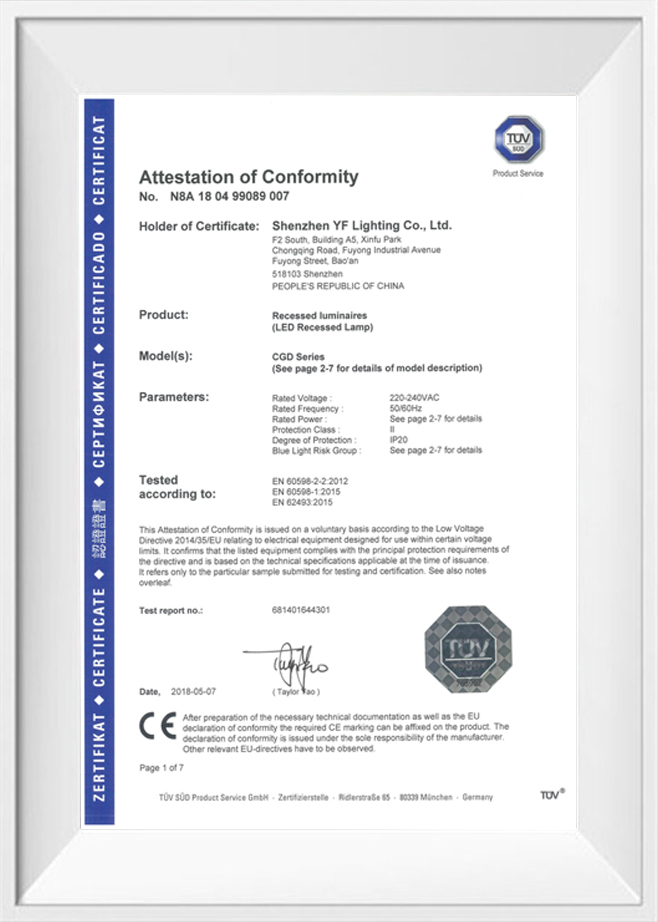
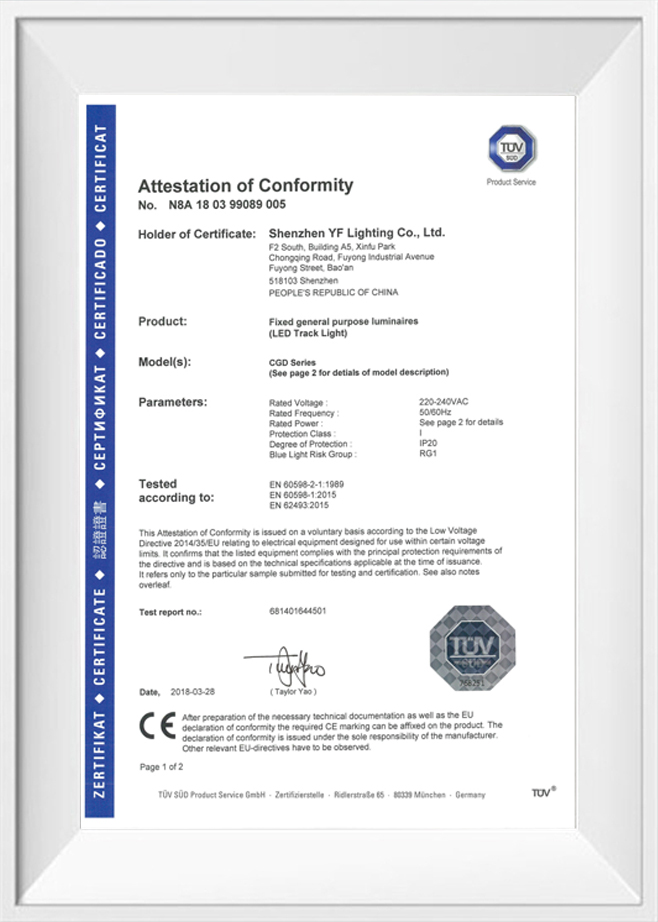
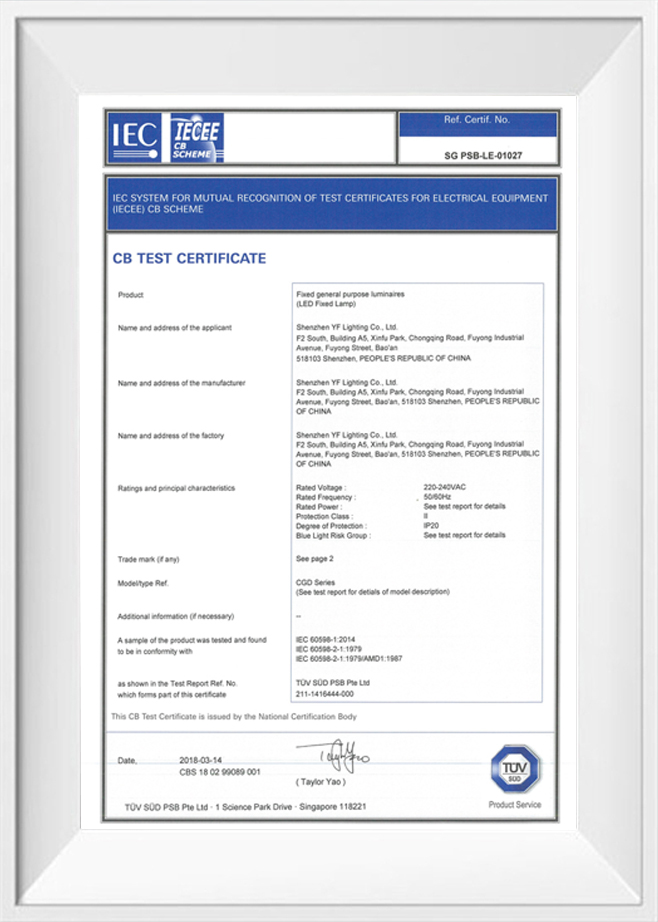
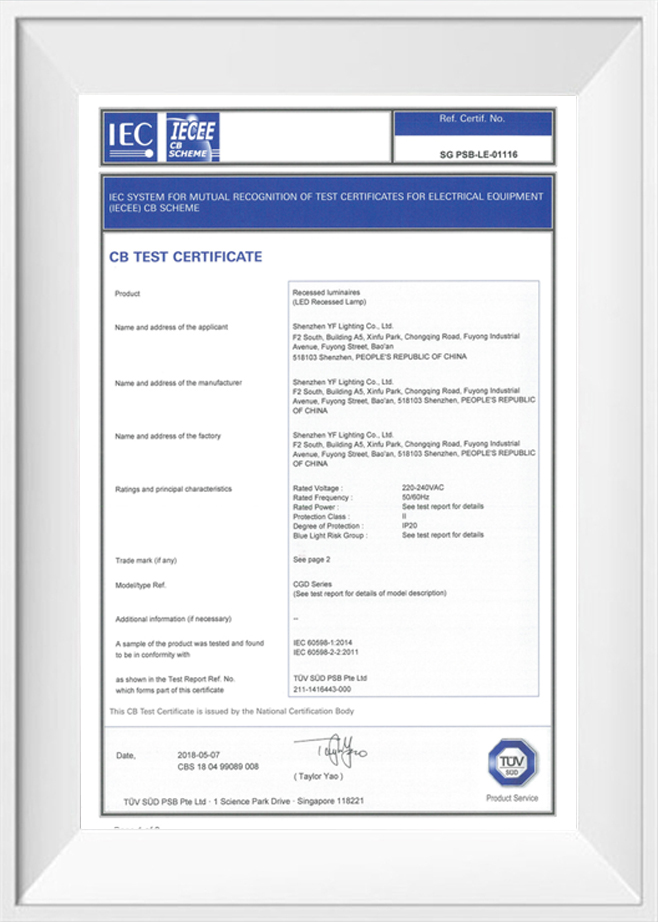
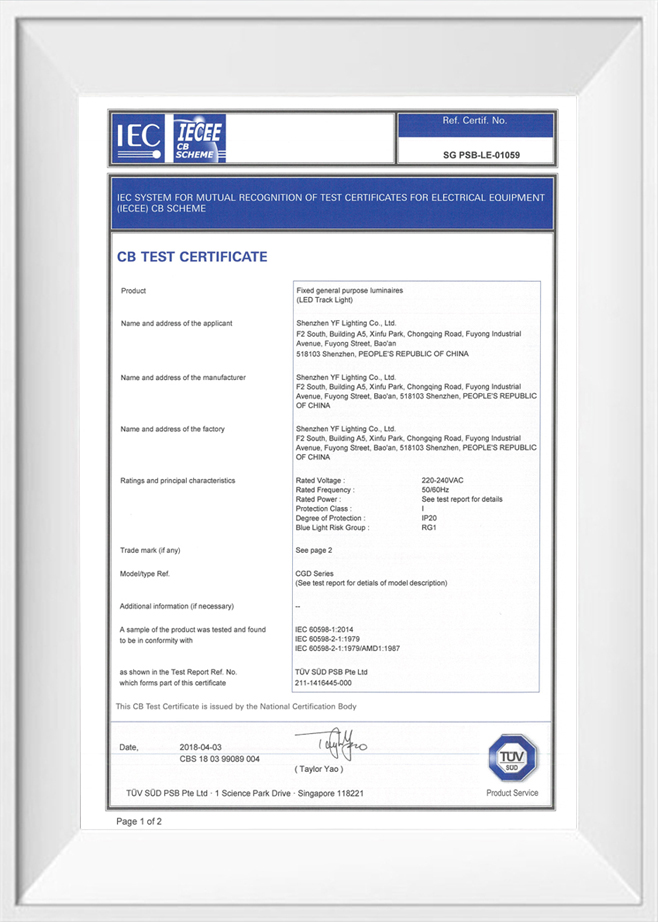
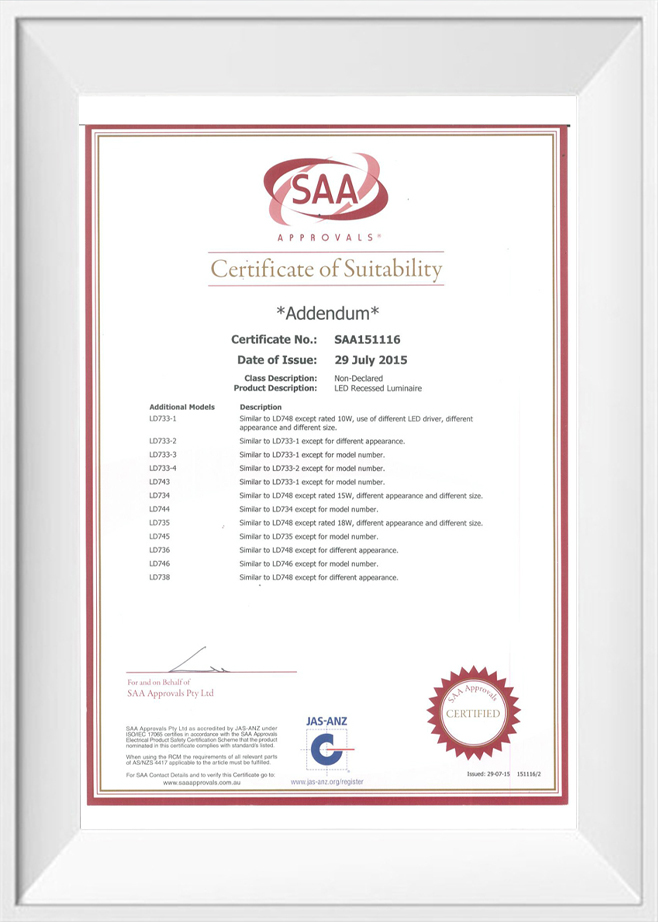
Founded in 2008, Yicheng Technology is one of China's earliest specializing in the R&D, production, and sales of LED lighting. For many years, Yicheng Technology has specialized in the LED lighting industry. Its products are manufactured under the ISO9001:2015 quality management system and have passed authoritative certifications, including the EU CE, ROHS, China 3C, CB, ERP energy consumption, Australian SAA, and Indian IBS. With rigorous R&D and strict production practices, Yicheng Technology offers a three-year warranty. Its business scope covers various countries and regions, and it has partnered with numerous renowned lighting brands, both domestically and internationally, for OEM/ODM services, earning widespread acclaim. Yicheng Technology also provides professional LED commercial lighting solutions.
-
0
Establishment
Founded in 2008, Yicheng has 17 years of experience in the industry.
-
0+
Current Employee
We have more than 200 employees, including 60 technical R&D personnel.
-
0m²
Factory Area
We have a large manufacturing plant to meet order needs
Certificate Of Honor
News
-
-
Smart Lighting has moved from a niche concept to a widely discussed feature in residential and commercial interiors. The shift ref...
READ MORE -
Understanding the Role of High Bay Light in Large Spaces High Bay Light fixtures are engineered to illuminate spaces with elevated...
READ MORE -
How Garden Light Enhances Outdoor Atmosphere Garden Light products have become a defining feature in residential and commercial la...
READ MORE -
Outdoor lighting must perform under conditions that change constantly. Rain, dust, temperature shifts, and extended operating hour...
READ MORE
Message Feedback
Industry knowledge
LED (Light Emitting Diode) light sources, or light-emitting diodes, are a lighting technology that utilizes semiconductor materials to produce light when electricity is applied. Compared to traditional light sources such as incandescent and fluorescent lamps, LED light sources have significant advantages such as high energy efficiency, long lifespan, and environmental safety.
Key advantages of LED light sources:
- High energy efficiency: LED light sources consume less energy and have a high luminous flux per watt.
- Long lifespan: Average lifespan can reach over 50,000 hours.
- Environmentally friendly and safe: Does not contain harmful substances such as mercury and pilot.
- Low heat generation: Low heat output reduces air conditioning load.
- Diverse applications: Customizable in terms of color temperature, brightness, and beam angle.
Main Types of LED Light Sources
Based on installation methods and application scenarios, LED light sources can be divided into various types. The following lists the main categories:
- LED Bulb: Household light bulbs that replace traditional incandescent and energy-saving lamps.
- LED Downlight: Suitable for living rooms, offices, hotels, etc., and can be embedded in ceilings.
- LED Panel Light: Flat structure, suitable for overall lighting in offices and shopping malls.
- LED Strip Light: Used for home ambient lighting, cabinets, bars, and other decorations.
- LED Flood Light: Suitable for outdoor venues, building facades, and courtyard lighting.
- LED Roadway Lighting: Used for urban roads, highways, parking lots, etc.
- LED Track Light: Used in shopping malls and exhibition halls, allowing for flexible adjustment of beam direction.
- LED Spot Lamp: Concentrated lighting, used for accent lighting or displays.
- LED Grow Light: Provides artificial light sources for indoor plants to promote photosynthesis.
- LED Emergency Light: Provides lighting in case of power outages or emergencies.
As can be seen from the above classification, the application range of LED light sources is extremely wide, not only limited to homes but also covering commercial, industrial, road, and outdoor lighting.
Analysis of LED Light Source Application Scenarios
Thanks to their high energy efficiency, long lifespan, and environmental safety features, LED light sources are widely used in various lighting scenarios. It can be used in downlights, panel lights, and light strips, providing a comfortable and uniform indoor lighting environment; in commercial and office spaces, LED track lights, panel lights, and spot lamps can improve work efficiency and display effects; in roads and outdoor environments, high-brightness and protective lighting fixtures such as roadway lighting and floodlights ensure safety and visual clarity; at the same time, LED light sources also extend to professional fields such as industrial lighting, stage lighting, and plant growth lighting, achieving both diversified functions and energy-saving and environmentally friendly value.
1. Home Lighting
- Living Room: Use a combination of LED downlights and panel lights to create a soft and uniform lighting environment.
- Bedroom: Dimmable LED bulbs or light strips can be selected to create a comfortable atmosphere.
- Kitchen and Bathroom: Waterproof LED lighting fixtures with high color rendering index can improve lighting efficiency and safety.
2. Commercial Lighting
- Offices and Conference Rooms: Use LED panel lights to ensure uniform illumination and reduce eye strain.
- Shopping Malls and Showrooms: Use LED track lights and spot lamps to highlight product display effects.
- Hotels and Restaurants: Decorative LED lighting fixtures and downlights are combined to enhance the aesthetic appeal of the environment.
3. Industrial and Outdoor Lighting
- Factories and Warehouses: High-efficiency LED industrial and mining lights and floodlights ensure production safety and uniform illumination.
- Road and Urban Lighting: LED roadway lighting features energy saving, long lifespan, and high protection rating.
- Landscape and Courtyard: LED floodlights and garden lights are combined to highlight building outlines and garden landscapes.
4. LED Light Source Selection Guide
When choosing an LED light source, the following factors need to be considered:
- Luminous Flux (Lumen): The higher the luminous flux, the brighter the light, suitable for different space requirements.
- Color Temperature (Kelvin): Warm light (2700K–3000K) is suitable for a comfortable home atmosphere; neutral light (4000K–4500K) is suitable for offices; cool light (5000K–6500K) is suitable for industrial and outdoor environments.
- Color Rendering Index (CRI): The higher the CRI, the better the color reproduction; generally, >80 is recommended for offices and homes.
- Power and Energy Efficiency Ratio: Power should be adapted to the space, and a high energy efficiency ratio indicates greater energy savings.
- Protection Rating (IP): For outdoor or wet environments, choose IP65 or higher.
- Dimming Function: Choose dimmable or variable color temperature luminaires according to scene requirements.
Common Misconceptions about LED Light Sources
Higher power means brighter light
In reality, the brightness of LED light sources is measured in luminous flux (Lumen). Higher power does not necessarily mean higher brightness.
All LED lights are energy-efficient
Energy efficiency is affected by luminous efficacy, power, and usage time. High-efficiency products should be selected.
LEDs don't need heat dissipation
Poor heat dissipation in high-power LEDs will affect their lifespan and luminous efficacy.
LED Light Source Market Trends
According to the latest market data, the LED light source market is growing rapidly. Future trends mainly include:
- Intelligentization and Internet of Things integration: Smart voice-controlled lights and App-controlled lights are becoming new hotspots.
- High color rendering and healthy lighting: Eye-protection lights, plant growth lights, and spectrum-optimized luminaires are popular.
- High protection and outdoor applications: The demand for waterproof, dustproof, and explosion-proof luminaires is increasing.
- Energy saving and environmental protection: The trend of replacing traditional light sources with new high-efficiency LED light sources is evident.
LED Light Source Brand and Price Reference (Example Table)
| Category | Application Scenario | Power Range | Luminous Flux (Lumen) | Price Range (RMB) |
| Downlight | Home/Commercial | 5–20W | 400–1500 | 50–300 |
| Panel Light | Office/Shopping Mall | 20–50W | 1800–4500 | 200–600 |
| Flood Light | Outdoor/Landscape | 30–200W | 2500–15000 | 150–1200 |
| Roadway Lighting | Road/Parking Lot | 50–250W | 5000–20000 | 800–3000 |
| Spot Lamp | Showroom/Shopping Mall | 5–50W | 500–3000 | 80–400 |
| Strip Light | Home/Decoration | 5–20W/m | 300–1200/m | 30–150/m |
Note: Price is related to power, brand, and function. The above data is for reference only.
Maintenance and Lifespan Management of LED Light Sources
To extend the lifespan of LED light sources and ensure good lighting efficiency, please note the following:
- Maintain good heat dissipation: Avoid covering the light fixture to prevent heat buildup and extend LED lifespan.
- Clean the light fixture regularly: Dust can affect brightness and heat dissipation efficiency.
- Ensure stable voltage: Excessive voltage fluctuations can reduce LED lifespan.
- Choose reputable brands: Products from reputable brands offer more stable performance and after-sales support.
- Use dimming functions appropriately: Excessive dimming or frequent switching may affect the lifespan of some light fixtures.
With its advantages of high efficiency, energy saving, long lifespan, environmental friendliness, safety, and diverse applications, LED light sources have become a core choice in the modern lighting industry. Whether for home downlights, commercial panel lights, roadway lighting, or outdoor floodlights, LED light sources provide a high-quality lighting experience.
-
[email protected]

-
+86-18966108111 / +86-13325868369

-
No. 306, Building 13, Yanjiang Industrial Park, Linhai City, Taizhou, Zhejiang Province