

 English
  русский
  한국어
한국어  عربى
عربى What are the application scenarios of LED lamps
Industry News-LED lighting has a wide range of applications, covering nearly every area requiring illumination. Their energy-saving, long lifespan, environmental friendliness, strong controllability, and design flexibility make them a perfect alternative to traditional light sources.
The following is a detailed classification and description of the main application scenarios for LED lighting:
1. Commercial and Retail Spaces
This is where the lighting requirements are highest and where the advantages of LEDs are most evident.
Accent Lighting: Using Spotlights and Track Lights, with a high color rendering index (CRI>90), ensures that product colors are vibrant and true to life, attracting customers' attention and boosting sales.
Basic Lighting:LED Panel Lights provide uniform, glare-free overall illumination and are commonly found in offices and shopping mall corridors. LED Downlights are used for recessed ceiling lighting, offering a stylish and elegant look.
Ambient Lighting:LED Strips are concealed within furniture, shelves, and ceiling recesses to create a rich, layered visual experience and highlight the brand's identity.
II. Industrial and Warehouse Spaces
Focus on functionality, high efficiency, and cost control.
High Bay Lights: Used in high-rise spaces such as factory workshops, warehouses, and gymnasiums, they provide high-brightness, uniform lighting with significant energy savings.
Linear Lights: Used in assembly lines, assembly lines, and parking lots, they offer a wide illumination range, flicker-free lighting, and protect workers' eyesight.
Explosion-Proof Lights: Used in locations with flammable and explosive hazards, such as petroleum, chemical, and mining industries, they are safe and reliable.
III. Outdoor and Public Areas
Luminaires must be durable, stable, and able to withstand all types of inclement weather.
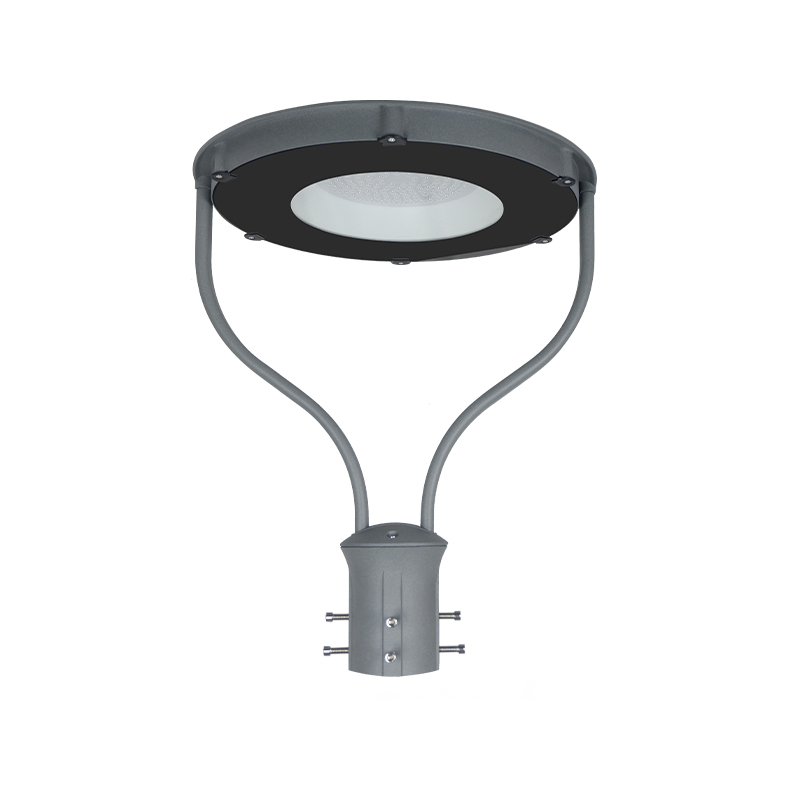
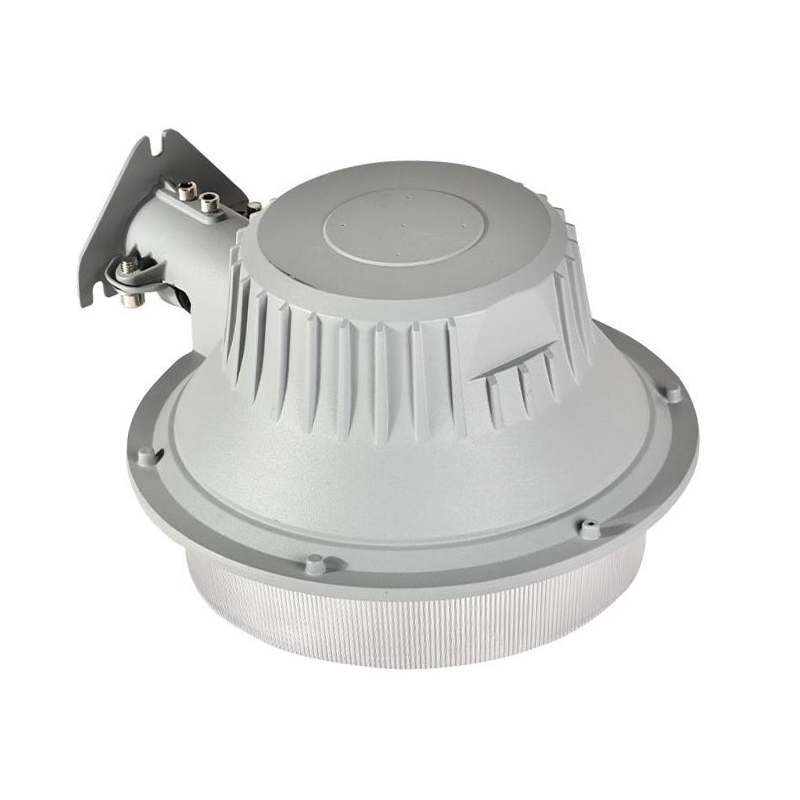
Street Lighting:LED Street Lights offer energy savings and long life, reducing public expenditures. Reasonable light distribution improves nighttime driving safety. Landscape Lighting:Flood Lights illuminate building exteriors and monuments; LED light strips and point light sources outline bridges and trees; In-Ground Lights illuminate paths or landscapes.
Plazas and Parks:Garden Lights and Lawn Lights provide both safety and decorative effects.
IV. Office and Education Spaces
The core needs are comfort, health, and efficiency, avoiding visual fatigue.
Overall Lighting:LED panel lights are the mainstream choice, offering soft, even light without glare. Recessed ceilings offer a simple and aesthetically pleasing design.
Local Lighting:LED Desk Lamps provide focused light for reading and writing.
Intelligent Lighting Systems: Automatically adjust brightness and color temperature based on natural light fluctuations to maintain an optimal lighting environment, enhancing employee efficiency and student concentration.
5. Home and Residential Spaces
Strive for comfort, warmth, personalization, and intelligence.
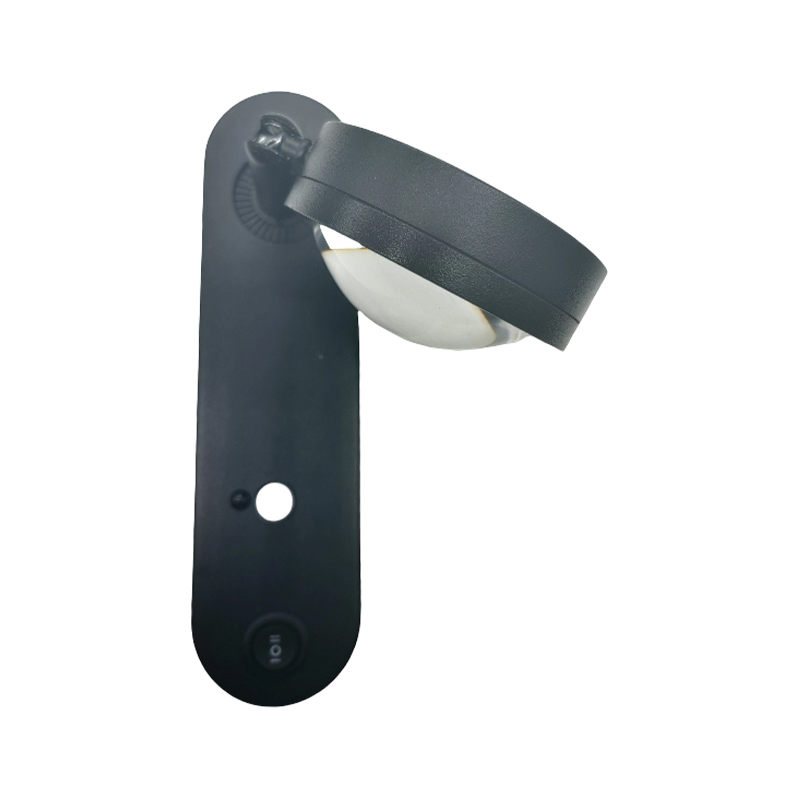
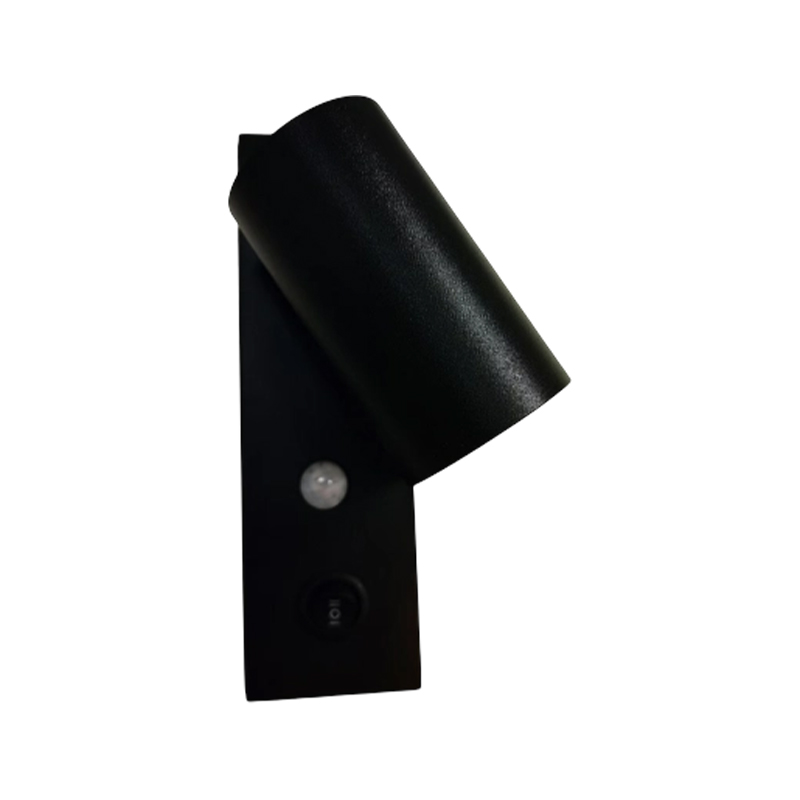
Living/Bedroom/Dining Room: LED Ceiling Lights provide basic lighting; Spotlights and magnetic track lights provide accent wall washes or picture illumination; LED light strips create ambiance.
Kitchen/Bathroom: Waterproof and fog-proof LED downlights or light strips provide safe, bright, and functional lighting.
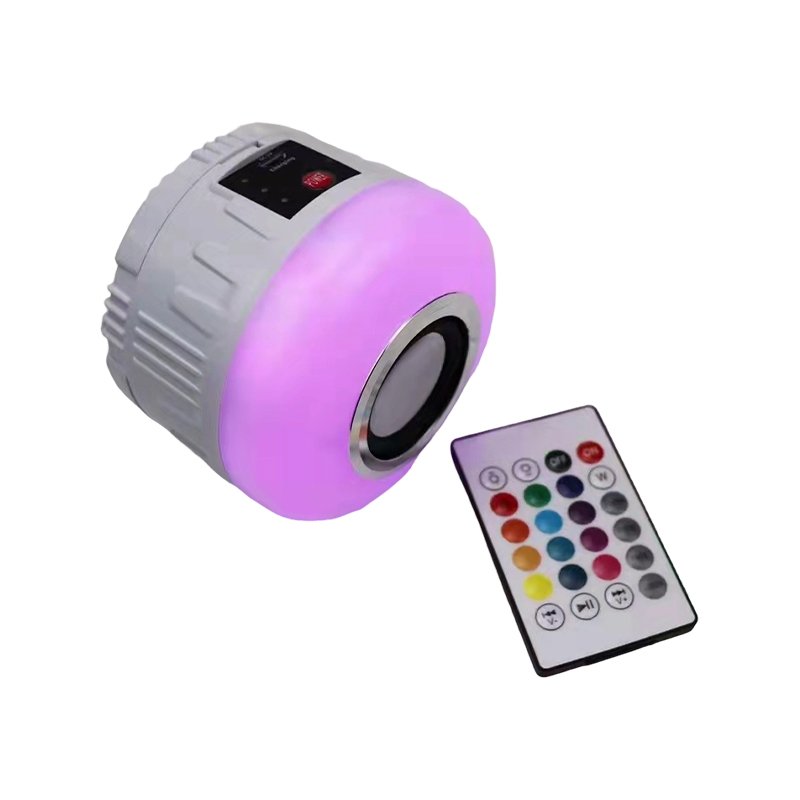
Smart Home: Smart LED bulbs and lamps can be controlled via mobile phone or voice for on/off, brightness, color temperature, and even color, creating diverse living scenarios (such as meeting guests, watching movies, and reading).
6. Specialty and Professional Applications
Leverage the unique characteristics of LEDs to meet specialized needs.
Grow Lights: Providing the specific spectrum (blue and red) required for plant photosynthesis, they are used in indoor farms, greenhouses, and home gardening. Medical Lighting: Surgical shadowless lamps require ultra-high color rendering and zero flicker; UV-C LEDs are used for disinfection and sterilization.
Automotive Lighting: LED headlights are brighter, more energy-efficient, and have a longer lifespan; LED brake lights and turn signals respond faster and improve safety.
Stage and Film Lighting: LED film and television lights offer precise color temperature and brightness control and generate low heat, providing professional lighting for studios, stage productions, and filming.
Summary: LED Lighting Advantages
| Application Scenarios | Main LED Lighting Types | Core Requirements and Advantages |
| : | : | : |
| Commercial Retail | Spotlights, Track Lights, Panel Lights, Light Strips | High Color Rendering, Attract Customers, Create Atmosphere, Enhance Brand |
| Industrial Warehousing | High Bay Lights, Linear Lights, Explosion-Proof Lights | High Brightness, High Efficiency, Long Life, Energy Saving, Safety |
| Outdoor Public | Street Lights, Floodlights, Garden Lights, Underground Lights | Weather Resistance, Long Life, Safety, Energy Saving, Decorative |
| Office and Education | Panel Lights, Downlights, Smart Lighting Systems | Comfortable, Uniform, Glare-Free, Healthy, Improved Efficiency |
| Residential | Ceiling Lights, Spotlights, Light Strips, Smart Bulbs | Warmth, Comfort, Personalization, Intelligence, Decorative |
| Specialty | Grow Lights, Medical Lights, Automotive Lights, Cinema Lights | Specific Spectrum, Ultra-High Reliability, Professional Performance |
In short, LED technology, with its unparalleled flexibility and efficiency, has permeated every aspect of our lives and work, redefining how light is used.
Our Products //
Related Products
-
[email protected]

-
+86-18966108111 / +86-13325868369

-
No. 306, Building 13, Yanjiang Industrial Park, Linhai City, Taizhou, Zhejiang Province