

 English
  русский
  한국어
한국어  عربى
عربى Wall Light Complements Modern And Classic Interiors
Industry News-Wall lights play an important role in shaping indoor environments, offering both practical illumination and visual interest. Unlike ceiling fixtures that provide general light, wall lights bring illumination closer to eye level, creating layered lighting effects that improve visibility and enhance the appearance of rooms. These fixtures are suitable for a variety of settings, including hallways, bedrooms, living areas, and offices, giving designers and occupants the ability to focus light where it is needed.
The design of wall lights ranges from simple and minimal to decorative and intricate. Some wall lights focus purely on functionality, providing steady light for reading, cooking, or task-related activities. Others incorporate artistic features, such as patterned shades, sculptural forms, or color accents, adding a visual statement to the space. The choice of design can influence how the room feels, subtly guiding attention to architectural details or highlighting specific objects.
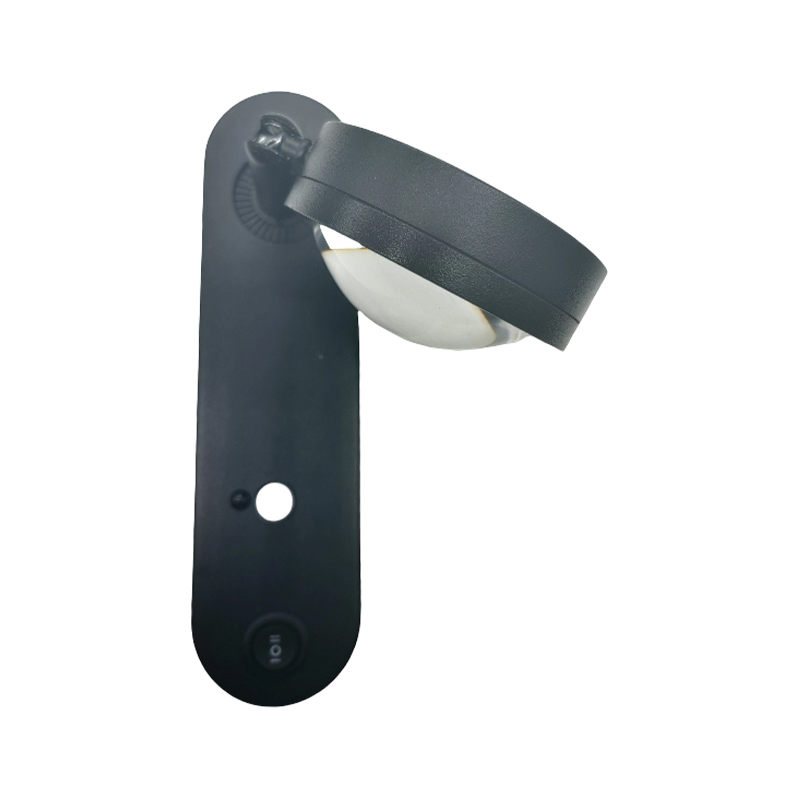
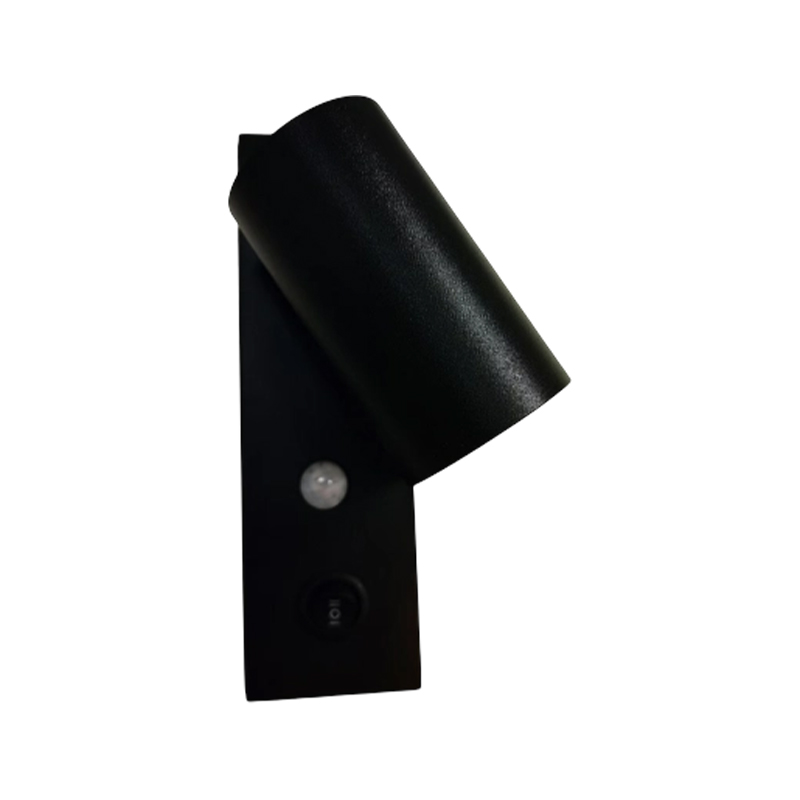
Wall lights often complement other forms of lighting, forming a layered lighting plan. They can reduce shadows, illuminate corners, and create focal points without overpowering the room. Placement and direction are important considerations. Adjustable wall lights, for example, allow occupants to direct beams toward work areas, artwork, or furniture, providing versatility and control. Some designs include swinging arms, rotating heads, or movable brackets, which help adapt the lighting to various needs or changing room layouts.
Energy efficiency has become a common consideration in modern wall light design. LED bulbs are widely used because they provide consistent brightness while consuming less energy than traditional incandescent options. LED technology also offers durability, reducing the frequency of bulb replacements. Many wall lights allow for dimming, giving users the ability to adjust intensity depending on the activity, time of day, or desired mood.
Color rendering is another factor that influences the effectiveness of wall lights. Accurate color representation helps ensure that objects, surfaces, and materials appear true to life. This is important in spaces such as kitchens, art studios, and offices, where proper visual clarity can affect tasks and perceptions. The choice of color temperature can also shape the ambiance: warmer tones often create a cozy and inviting environment, while cooler tones support alertness and focus.
Safety considerations are an integral part of wall light installation. Properly mounted wall lights reduce the risk of accidental contact with electrical components or hot surfaces. Fixtures are often installed at heights and distances that minimize glare and shadows while maintaining clear sightlines. In hallways or staircases, well-placed wall lights improve navigation and help prevent trips or collisions.
Wall lights are increasingly designed to be durable and adaptable. They may incorporate protective materials that resist impact, moisture, or dust, allowing them to perform reliably over time. Many models provide flexible mounting options, enabling use on different wall types or surfaces. This adaptability supports various interior layouts and accommodates ongoing changes in room design.
Customizable wall lights allow occupants to fine-tune both style and functionality. Features such as adjustable shades, color options, and interchangeable components give users control over both aesthetics and performance. Designers can use these features to create unique lighting schemes, balancing illumination with decorative appeal. Customization also helps integrate wall lights into diverse interior themes, from traditional to contemporary.
Wall lights contribute to the perception of space. Properly designed lighting can make small rooms feel larger, enhance textures and patterns, and highlight architectural elements. In larger spaces, wall lights can define zones, create visual interest along long corridors, or soften harsh overhead lighting. Thoughtful placement and choice of fixtures contribute to a sense of harmony and balance in interior design.
Our Products //
Related Products
-
[email protected]

-
+86-18966108111 / +86-13325868369

-
No. 306, Building 13, Yanjiang Industrial Park, Linhai City, Taizhou, Zhejiang Province