

 English
  русский
  한국어
한국어  عربى
عربى Can Engineering Lighting Improve Daily Work Tasks?
Industry News-Engineering lighting plays an essential role in shaping productive and safe workspaces across multiple industries. Unlike general illumination, engineering lighting is designed to meet the specific requirements of technical and industrial environments. In offices, factories, laboratories, and construction sites, it provides consistent visibility, allowing professionals to perform tasks that demand precision. The lighting must adapt to the specific needs of equipment, work surfaces, and the movements of staff while ensuring comfort and minimizing visual fatigue.
Modern engineering lighting systems often combine various types of lighting, such as overhead, task, and ambient sources. Overhead lighting provides uniform illumination, reducing the appearance of shadows and creating a consistent environment that helps engineers focus on detailed work. Task lighting supplements this with directed light, giving concentrated brightness exactly where it is needed, such as over drafting tables, machine controls, or assembly lines. Ambient lighting supports the overall mood and reduces contrast between brightly lit and darker areas, promoting a balanced visual experience.
Energy efficiency has become an important consideration in the design of engineering lighting systems. LED technology is widely adopted because it delivers sufficient illumination while consuming less energy than traditional options. LEDs also have a longer service life, minimizing the need for frequent replacements and disruptions in work areas. Engineers and facility managers choose lighting solutions that maintain consistent output over time, ensuring that visibility remains stable and reliable.
Engineering lighting often addresses color rendering requirements. Different industries require different levels of color accuracy to distinguish components, inspect materials, or interpret diagrams and plans. For instance, in electronics manufacturing, accurate color rendering ensures that wiring and printed circuit boards are correctly identified. Laboratories and design studios benefit from similar lighting, which helps reduce mistakes caused by misinterpreted colors.
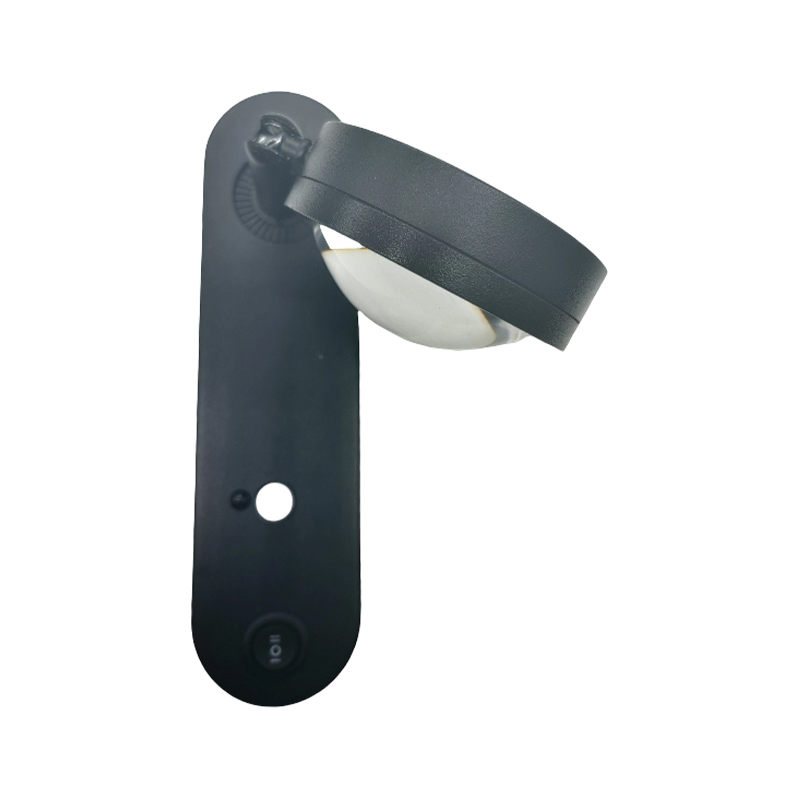
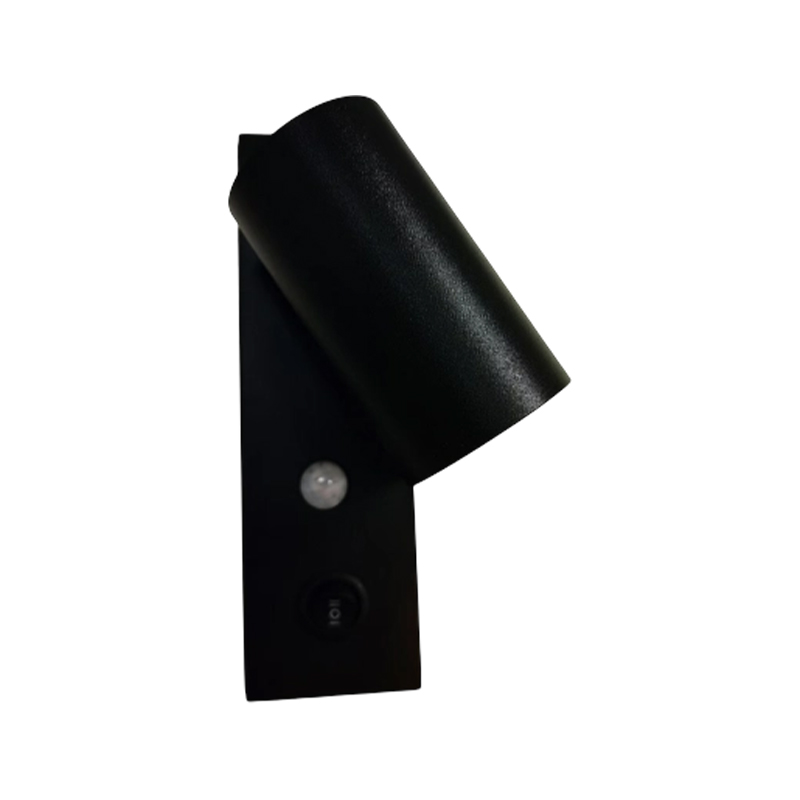
Adjustability is another key feature of engineering lighting. Many workplaces incorporate systems that allow brightness and direction to be changed depending on the task or operator preference. Adjustable lighting supports various work positions and body postures, creating a more ergonomic environment. In technical settings, where detailed visual inspection is frequent, the ability to fine-tune lighting can improve efficiency and accuracy.
Safety is also a significant aspect of engineering lighting. Well-lit areas prevent accidents by reducing the risk of slips, trips, or incorrect operation of machinery. Emergency lighting components, although separate from standard engineering lighting, often complement the main systems to maintain visibility during power interruptions. Clear sightlines, reduced glare, and controlled brightness levels ensure that employees can work without straining their eyes or misjudging distances.
The integration of sensors and automation in engineering lighting is becoming more common. Motion sensors can adjust lighting levels automatically, providing light only when areas are in use and dimming when spaces are unoccupied. These systems support both energy management and workflow efficiency. Daylight sensors can also adjust artificial lighting in response to natural light levels, balancing illumination throughout the day and minimizing disruption to employees’ visual comfort.
Another important consideration is the durability of engineering lighting systems. Industrial environments often expose lighting to dust, vibration, temperature fluctuations, and occasional contact with liquids. Fixtures are therefore designed to be robust and reliable under these conditions. Protective housings, impact-resistant materials, and secure mounting solutions ensure that lighting maintains its performance despite challenging surroundings.
Customization remains an attractive option in many engineering projects. Different facilities have unique requirements based on layout, workflow, and task types. Lighting manufacturers provide solutions that can be tailored in terms of intensity, color temperature, beam spread, and fixture design. This flexibility allows engineering teams to plan illumination layouts that meet operational requirements and support productivity.
Our Products //
Related Products
-
[email protected]

-
+86-18966108111 / +86-13325868369

-
No. 306, Building 13, Yanjiang Industrial Park, Linhai City, Taizhou, Zhejiang Province