

 English
  русский
  한국어
한국어  عربى
عربى 
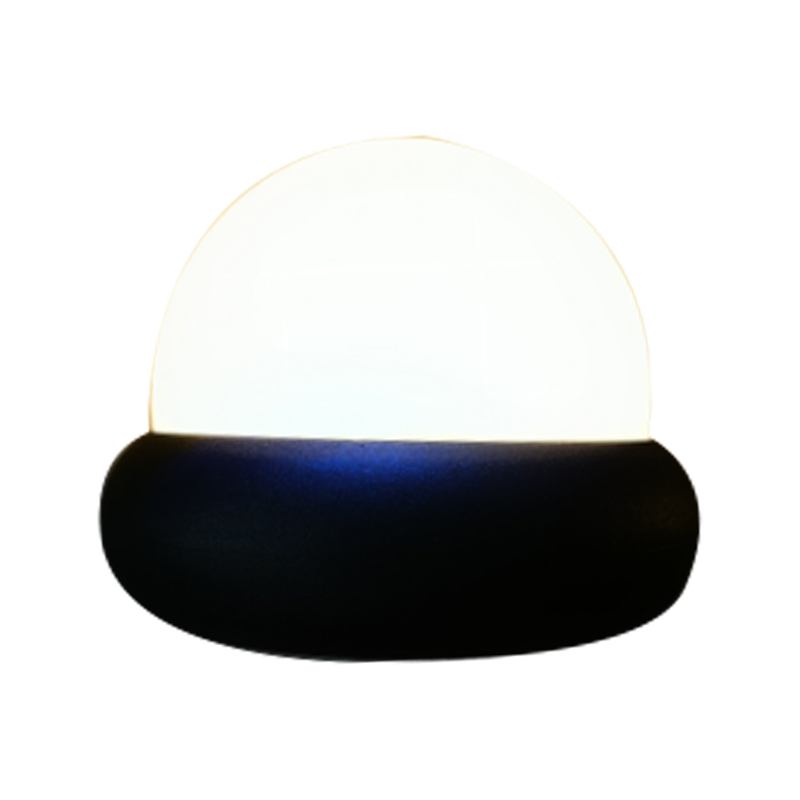
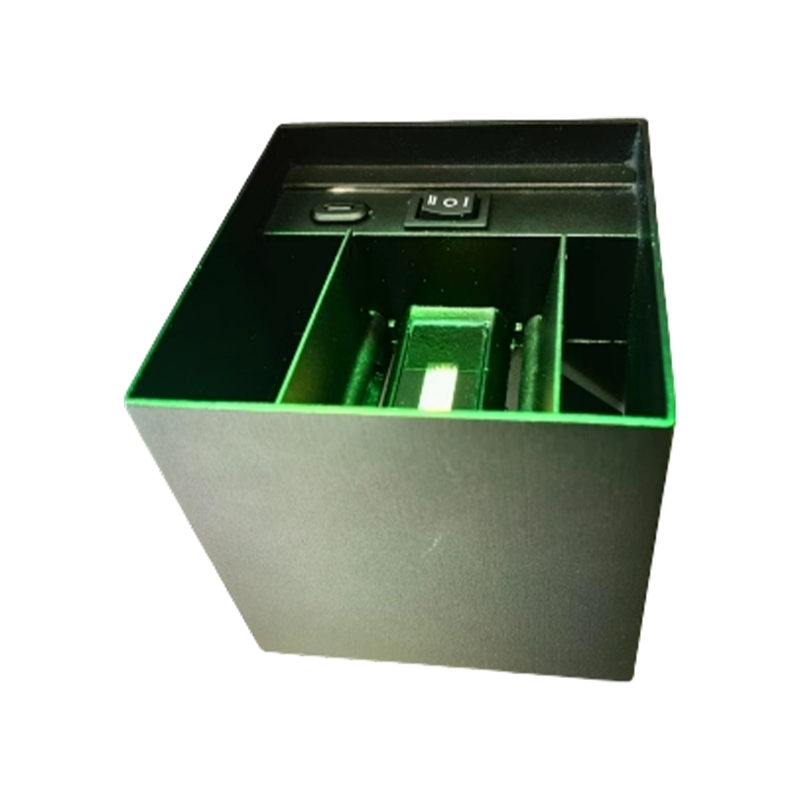
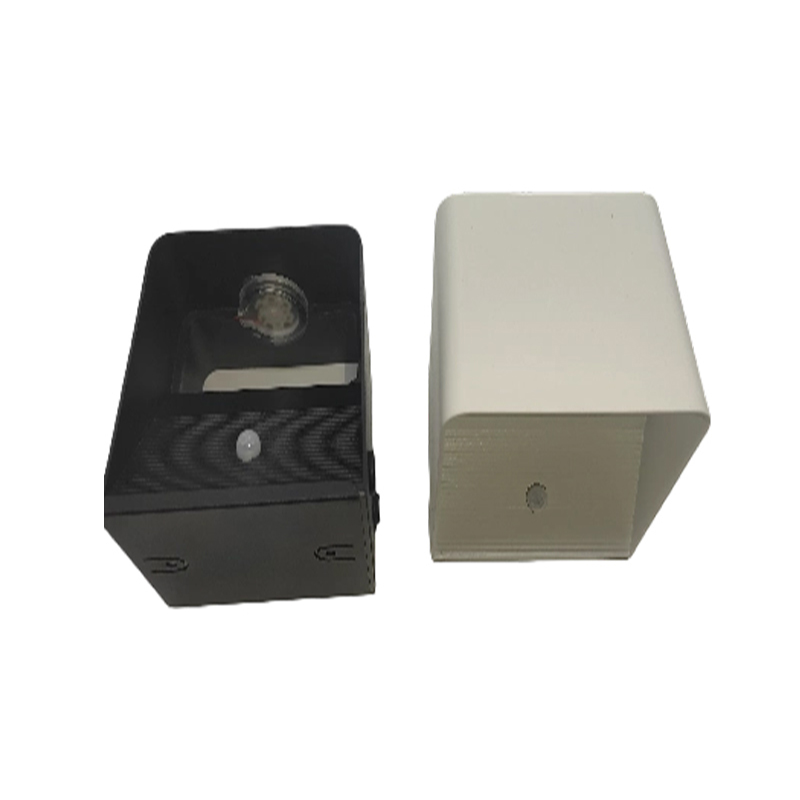
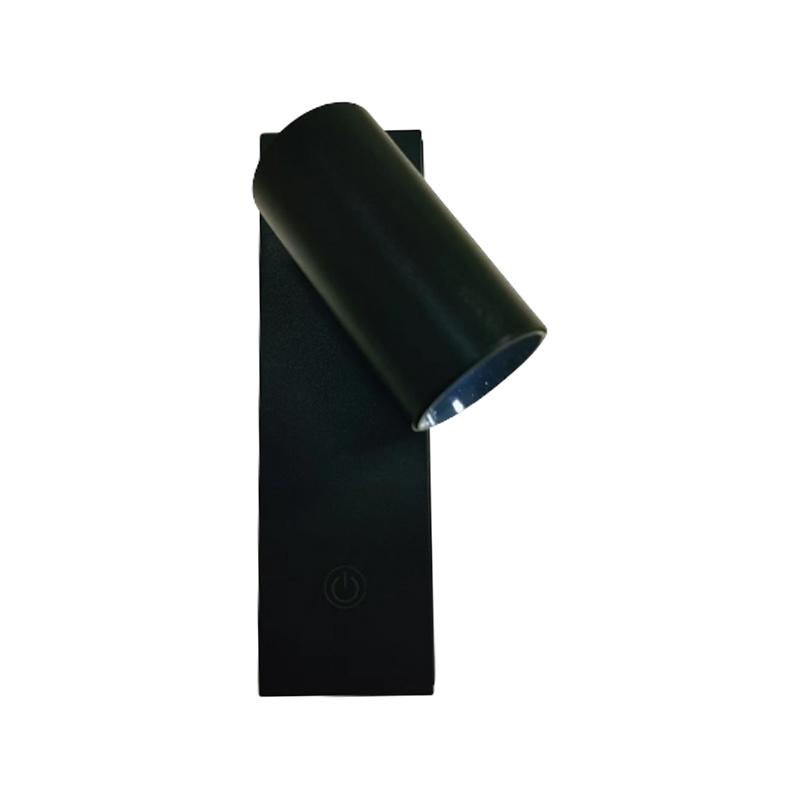
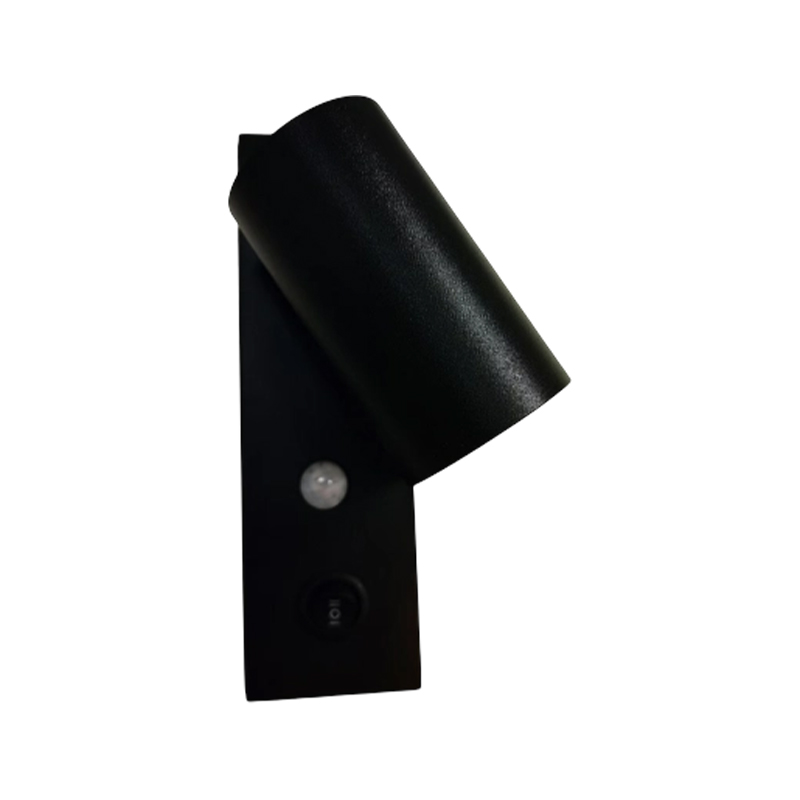
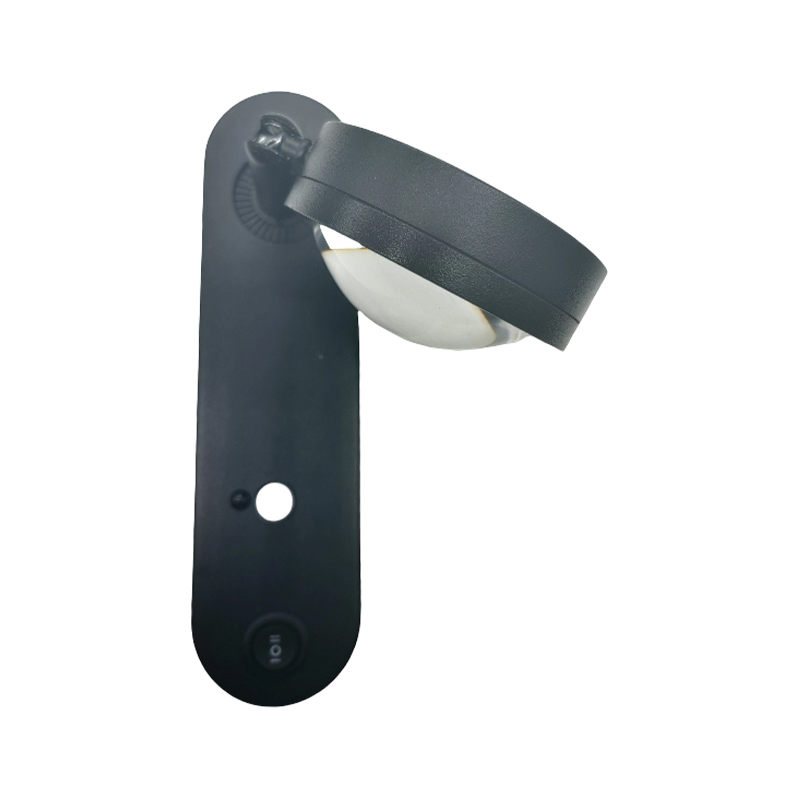
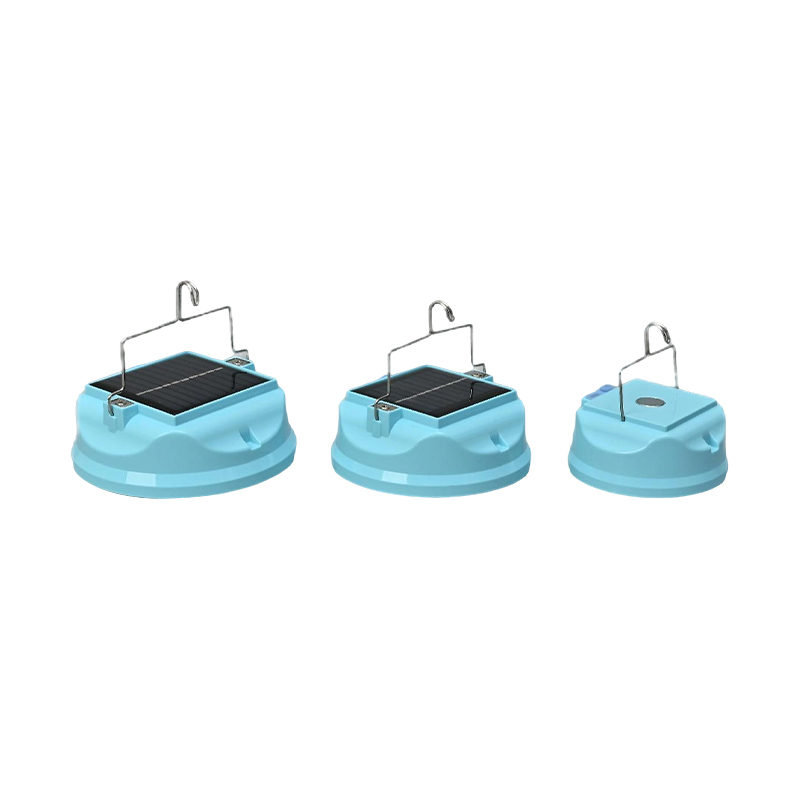
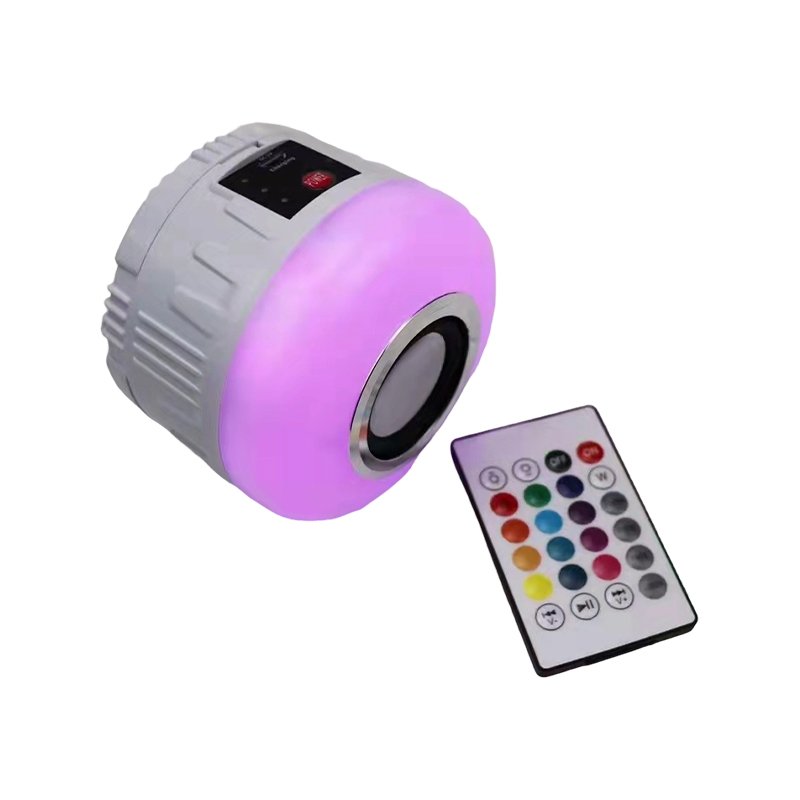
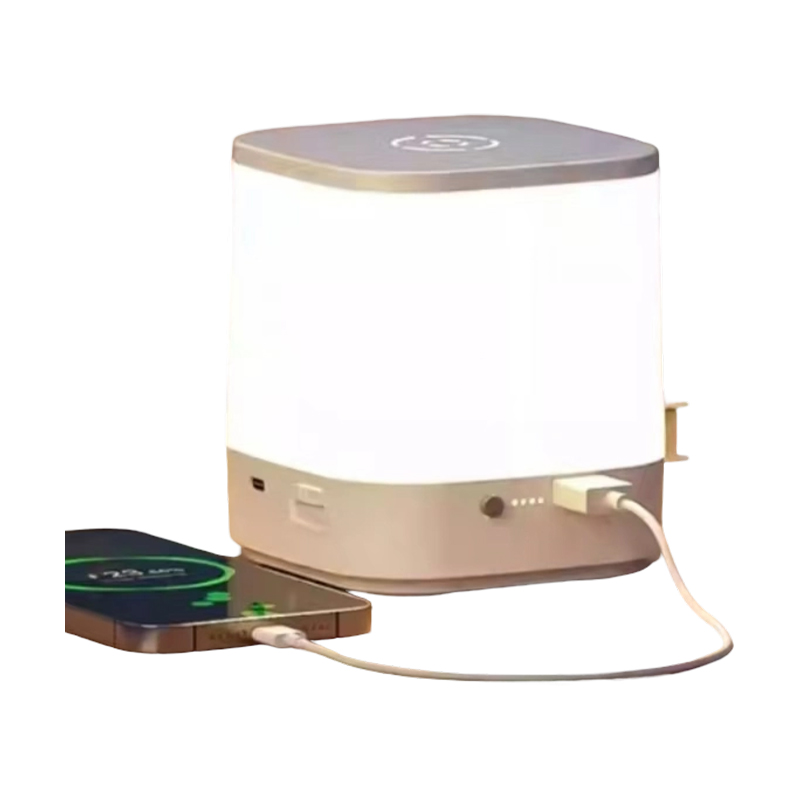
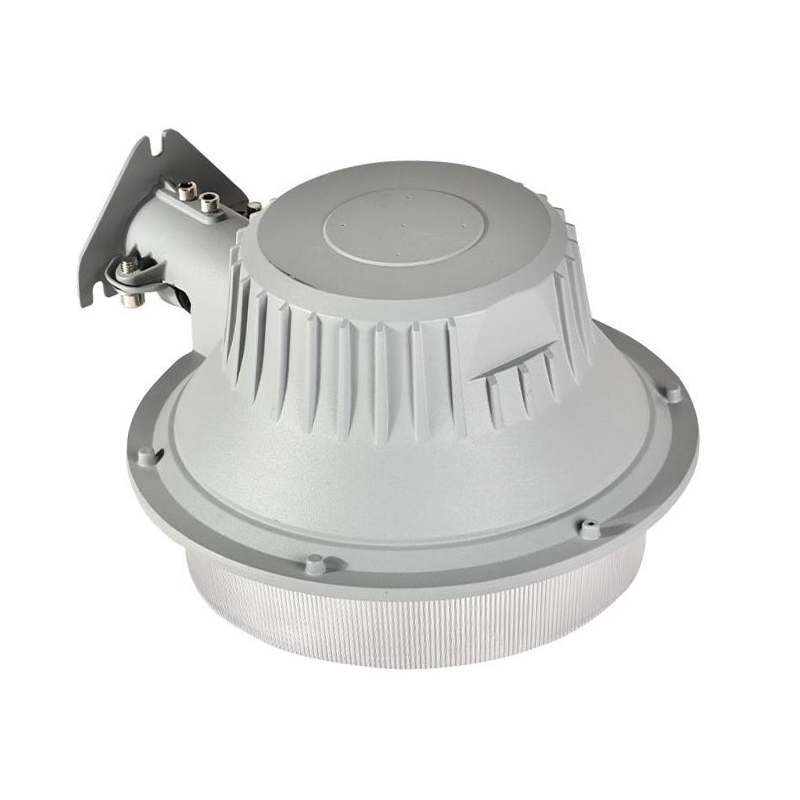


Outdoor lighting must perform under conditions that change constantly. Rain, dust, temperature shifts, and extended operating hour...
READ MOREHome Lighting
Yicheng specializes in designing and manufacturing home lighting solutions that combine functionality with modern aesthetics. With our self-owned factory, we maintain strict quality control throughout the production process, ensuring every product meets our high standards. This in-house capability also allows us to offer flexible customization options to meet the diverse needs of our clients.
Our pricing strategy is grounded in fairness and transparency, providing customers with cost-effective lighting solutions without compromising on quality. At Yicheng, innovation is a continuous pursuit—we stay updated with market trends and technology to offer products that are stylish, energy-efficient, and practical.
We believe that lighting plays a vital role in enhancing the comfort and ambiance of every home. That’s why our team is committed to delivering products that reflect our core values: quality first, service above all. From initial consultation to after-sales support, we aim to provide a smooth and satisfying customer experience.
Whether you are looking for functional ceiling lights, decorative lamps, or smart lighting systems, Yicheng Company is your reliable partner. With modern thinking and a dedication to excellence, we continue to bring light and warmth to households worldwide.

Zhejiang Yicheng Intelligent Technology Co., Ltd.
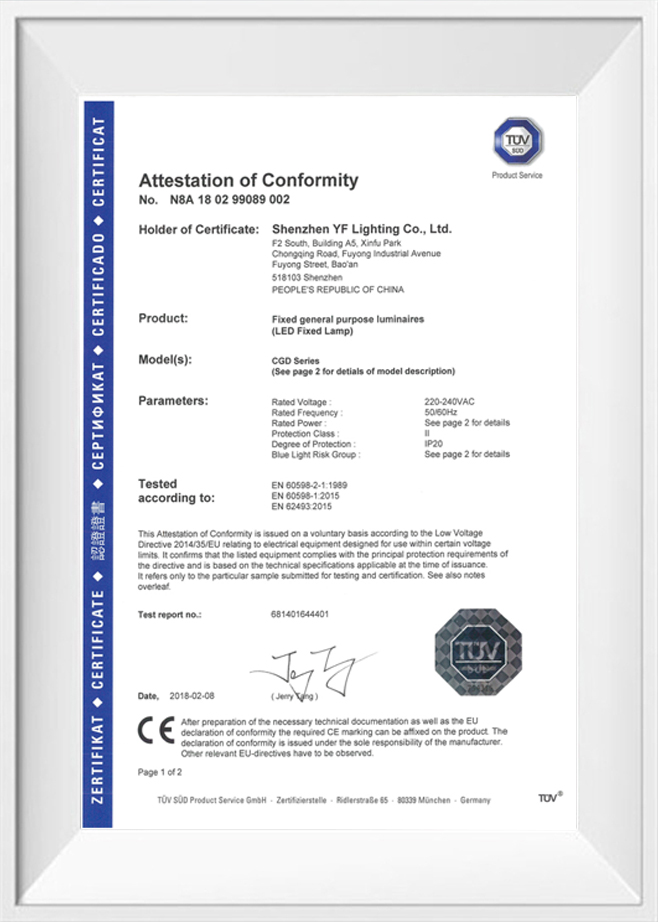
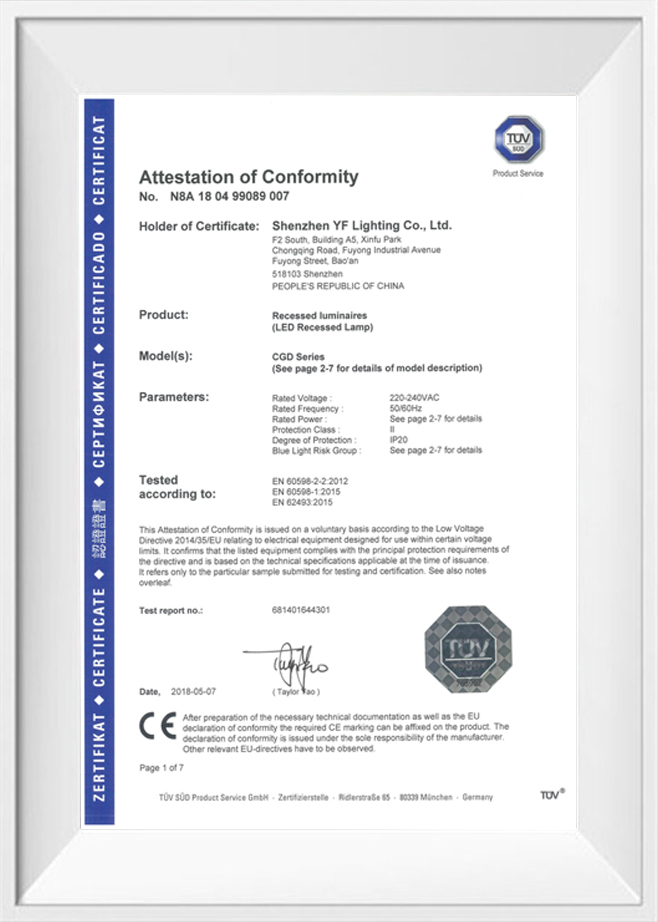
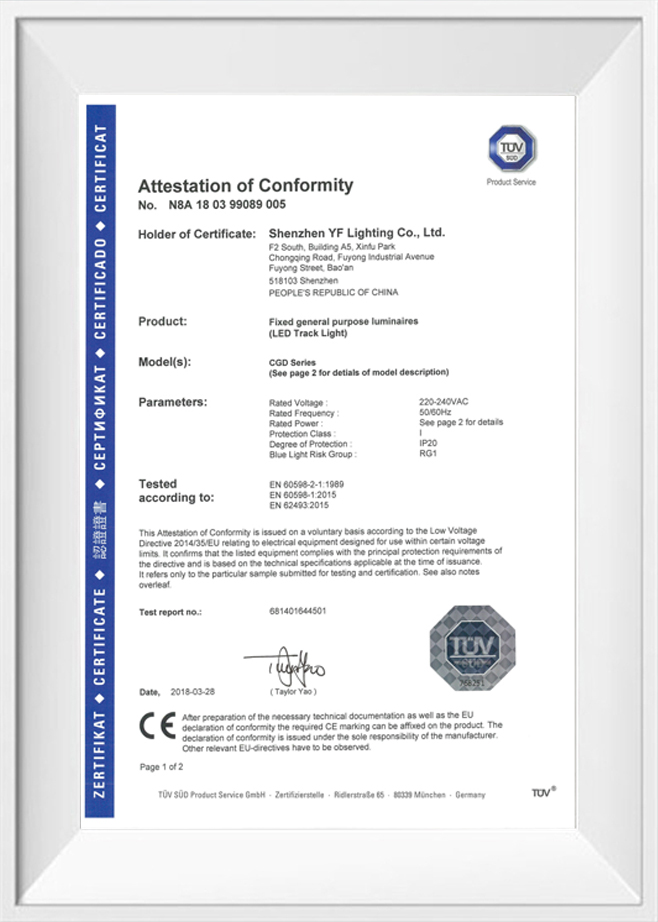
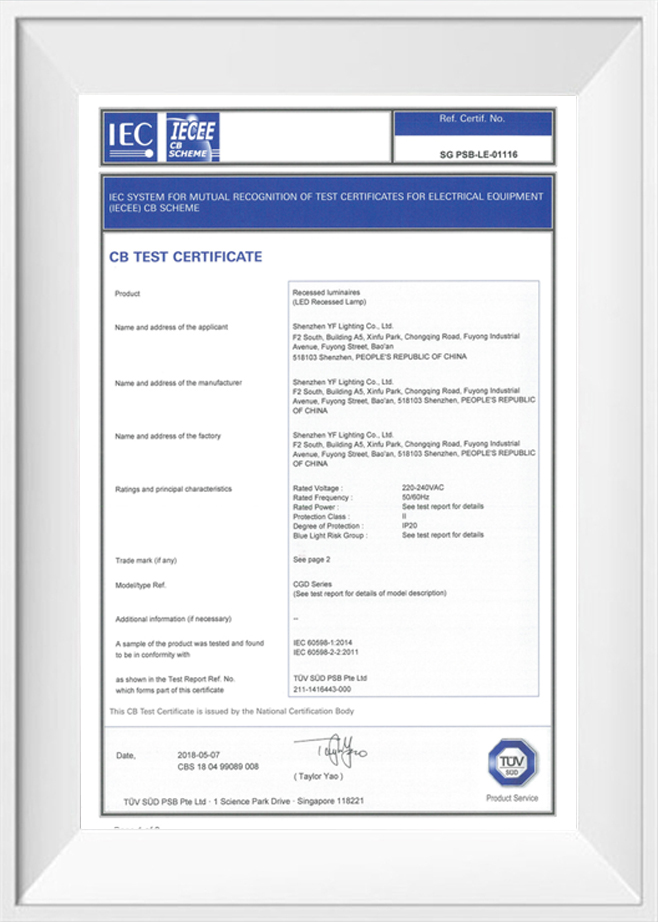
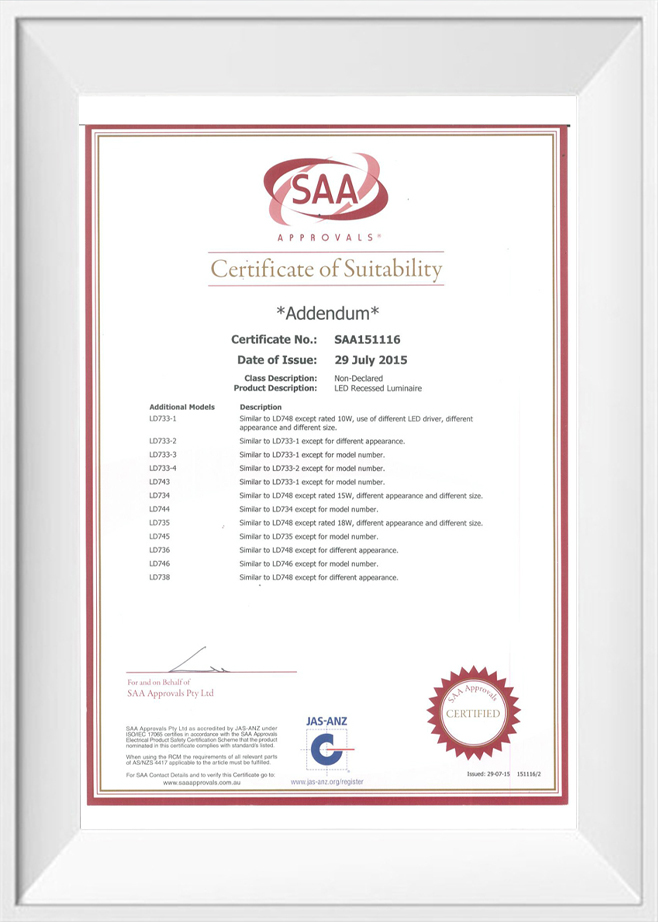
Founded in 2008, Yicheng Technology is one of China's earliest specializing in the R&D, production, and sales of Home Lighting. For many years, Yicheng Technology has specialized in the Home Lighting industry. Its products are manufactured under the ISO9001:2015 quality management system and have passed authoritative certifications, including the EU CE, ROHS, China 3C, CB, ERP energy consumption, Australian SAA, and Indian IBS. With rigorous R&D and strict production practices, Yicheng Technology offers a three-year warranty. Its business scope covers various countries and regions, and it has partnered with numerous renowned lighting brands, both domestically and internationally, for OEM/ODM services, earning widespread acclaim. Yicheng Technology also provides professional LED commercial lighting solutions.
-
0
Establishment
Founded in 2008, Yicheng has 17 years of experience in the industry.
-
0+
Current Employee
We have more than 200 employees, including 60 technical R&D personnel.
-
0m²
Factory Area
We have a large manufacturing plant to meet order needs
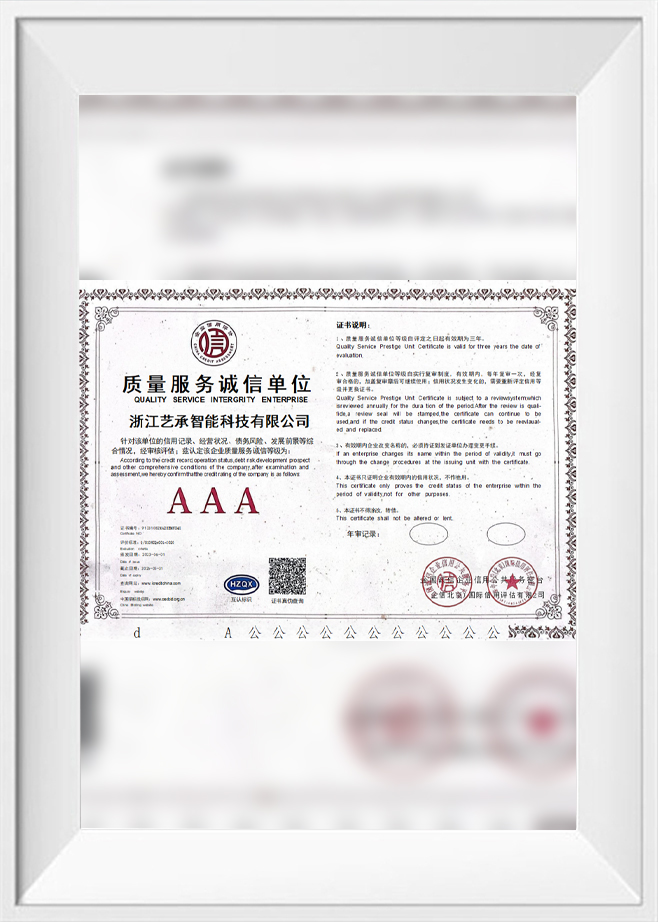
Certificate Of Honor
News
-
-
Public lighting has always played an important role in shaping how cities function after sunset. In recent years, Solar Street Lig...
READ MORE -
Wall-mounted lighting has long played a supporting role in interior spaces, adding depth and atmosphere beyond general illuminatio...
READ MORE -
Lighting has long been considered a background element in interior design, quietly supporting daily activities without drawing muc...
READ MORE -
Lighting is not only a functional tool but also a crucial component of spatial atmosphere and visual experience. Commercial LED tr...
READ MORE
Message Feedback
Industry knowledge
Home lighting is no longer just about illuminating a space; it's a comprehensive system that combines comfort, aesthetics, and energy efficiency. Proper home lighting can not only enhance the living experience but also improve lifestyle and health.
The Importance of Home Lighting
The home is a space for rest, life, and social interaction, and lighting is a crucial factor affecting living comfort. Good home lighting offers the following benefits:
- Enhanced Comfort: Soft, even lighting helps to relax the mind.
- Improved Functionality: Areas such as the kitchen, study, and bathroom require targeted lighting to ensure safe operation and clear visibility.
- Energy Saving and Environmental Protection: Using energy-saving light sources reduces electricity bills and carbon emissions.
- Safety: Motion sensor lights can be used on stairs, in entryways, and corridors to reduce the risk of falls at night.
From the above points, it's clear that home lighting is not just decoration, but a combination of functionality and quality of life.
Main Types of Home Lighting
Based on function and installation method, home lighting can be divided into the following categories:
Ambient Lighting
- Provides overall uniform light
- Common fixtures: Ceiling lights, pendant lights, LED panel lights
Task Lighting
- Provides lighting for specific functional areas
- Common fixtures: Table lamps, bedside lamps, under-cabinet lights, study lamps
Accent Lighting
- Emphasizes spatial features or object display
- Common fixtures: Track lights, spotlights, LED strips, wall lights
Motion and Safety Lighting
- Automatically illuminates at night or in special environments
- Common fixtures: Motion sensor lights, stairwell sensor lights, garden sensor lights
Energy Saving and Environmental Lighting
- Low power consumption, high efficiency light sources
- Common fixtures: LED bulbs, CFL energy-saving lamps
By rationally combining the above lighting types, a balance of functionality, comfort, and energy efficiency can be achieved.
Key Points of Lighting Design for Each Area of the Home
A well-designed lighting layout can not only enhance the aesthetics of a space but also ensure safety and comfort. To help families achieve lighting effects that combine functionality and ambiance, we have summarized the key points of lighting design for each major area, covering specific solutions for the living room, bedroom, kitchen, bathroom, study, and stairs and corridors, ensuring that each space receives the good possible lighting environment.
1. Living Room
- Main Lighting: Choose LED ceiling lights or pendant lights for overall illumination.
- Decorative Lighting: Use spotlights or LED strips to highlight wall decorations and the TV background wall.
- Dimming Function: Adjust brightness and color temperature according to different activities.
2. Bedroom
- Main Lighting: Choose soft light sources to avoid glare.
- Auxiliary Lighting: Bedside table lamps or wall lamps for reading.
- Motion Sensor Lights: Provide safe lighting at night.
3. Kitchen
- Main Lighting: Uniform ceiling lights to ensure sufficient light in the work area.
- Local Lighting: Under-cabinet lights or LED strips to illuminate the countertop.
- Material Selection: Waterproof and oil-proof light fixtures.
4. Bathroom
- Main Lighting: Waterproof ceiling lights or panel lights.
- Mirror Lights: Ensure even lighting for makeup and shaving.
- Protection Rating: Choose light fixtures with an IP44 rating or higher.
5. Study and Workspace
- Main Lighting: LED panel lights provide even illumination.
- Desk Lamp: With dimming and eye-protection functions to meet different reading needs.
- Light Color: Cool or neutral light can improve concentration.
6. Stairs and Corridors
- Motion Sensor Lights: Automatically illuminate to ensure safety at night.
- LED Strips or Wall Lights: Provide soft auxiliary lighting.
Key Factors in Choosing Home Lighting
When purchasing home lighting fixtures, the following factors should be considered:
Luminous Flux (Lumen)
- The main indicator of brightness.
- Living rooms and kitchens require higher luminous flux, while bedrooms can have softer lighting.
Color Temperature (Kelvin)
- Warm Light (2700K–3000K): Comfortable and cozy.
- Neutral Light (4000K–4500K): Suitable for offices and kitchens.
- Cool Light (5000K–6500K): Suitable for industrial or reading lights.
Color Rendering Index (CRI)
- CRI > 80 ensures high color accuracy.
- High CRI lighting is recommended for living rooms, bedrooms, and studies.
Power and Energy Efficiency
- Choose high-efficiency LED or energy-saving lamps.
- Pay attention to energy labels and energy efficiency ratings.
Protection Rating (IP)
- Bathrooms, kitchens, and outdoor areas require waterproof, oil-proof, and dustproof features.
- IP44 The above is suitable for wet areas in the home.
Smart and Control Features
- Dimming, color temperature adjustment
- App control, voice control, timer switch
- Can be integrated with smart home systems
Common Misconceptions about Home Lighting
- Misconception 1: The brighter the main light, the better.
In reality, a reasonable layout of multi-layered light sources is more comfortable; relying on a single high-power light fixture is not recommended.
- Misconception 2: All LEDs are energy-efficient.
Energy efficiency is affected by luminous efficacy, power, and usage time; high-efficiency fixtures should be chosen.
- Misconception 3: The installation location of motion sensor lights doesn't matter.
Motion sensor lights need to be installed properly to avoid false triggers or blind spots.
- Misconception 4: Color temperature can be chosen arbitrarily.
Different areas should have color temperatures selected based on function and atmosphere to ensure visual comfort.
Home Lighting Energy Saving Tips
- Choose Energy Saving Lighting: Replace traditional incandescent bulbs with LED lights and CFL energy-saving lamps.
- Reasonable Lighting Layout: Main light + auxiliary lights + decorative lights
- Use Dimmer Switches: Adjust brightness according to the scene to reduce waste.
- Utilize Natural Light: Make full use of sunlight during the day to reduce the need for artificial lighting.
- Install Motion Sensor Lights: Use motion sensor lights in corridors, stairwells, and storage rooms for automatic control.
Home Lighting Fixture Recommendations and Price Reference
| Fixture Type | Application Scene | Power Range | Luminous Flux (Lumen) | Price Range (RMB) |
| Ceiling Light | Living Room/Bedroom | 15–50W | 1200–4000 | 150–800 |
| Table Lamp | Bedroom/Study | 5–20W | 300–800 | 50–300 |
| Panel Light | Study/Office | 20–40W | 1800–3500 | 200–600 |
| LED Strip/Linear Light | Living Room/Kitchen/Bedroom | 5–15W/m | 300–1000/m | 30–150/m |
| Spotlight/Track Light | Display/Living Room | 5–30W | 400–1500 | 80–500 |
| Motion Sensor Light | Stairs/Corridor | 3–10W | 200–600 | 50–200 |
Note: Prices are for reference only; actual prices are affected by brand, material, and function.
Smart Home Lighting Trends
- Voice Control and App Integration: Smart lighting supports voice and mobile phone control, improving convenience.
- Scene-Based Settings: Different activities can automatically adjust brightness, color temperature, and lighting modes.
- Energy Saving and Environmental Protection: Smart lighting can be timed to switch on and off, combined with energy-saving lighting, to big energy savings.
- Sensing and Safety: Motion sensor lights can be linked with security systems to enhance home safety.
Home lighting is not just about illuminating space, but also about improving the quality of life. A reasonable lighting layout, multi-layered light sources, the use of energy-saving lamps, and the application of smart control functions can create a comfortable, safe, and energy-efficient lighting environment for the home. Whether it's the cozy atmosphere of the living room, the soft lighting of the bedroom, or the efficient illumination of the kitchen, choosing the right lighting fixtures and solutions is key to creating the ideal home.
-
[email protected]

-
+86-18966108111 / +86-13325868369

-
No. 306, Building 13, Yanjiang Industrial Park, Linhai City, Taizhou, Zhejiang Province