

 English
  русский
  한국어
한국어  عربى
عربى Wall Light Housings Vary in Size and Finish
Industry News-A wall light is a fixture that mounts to a vertical surface and delivers illumination from a fixed point. It differs from a ceiling fixture, which lights a room from above, and from a floor lamp, which can be moved at will. Because it stays in one place, a wall light becomes part of the architecture. It can wash a surface, highlight a feature, or guide movement through a corridor. For designers and building teams, this fixture type offers control over how a space reads after dark.
How a Wall Light Works
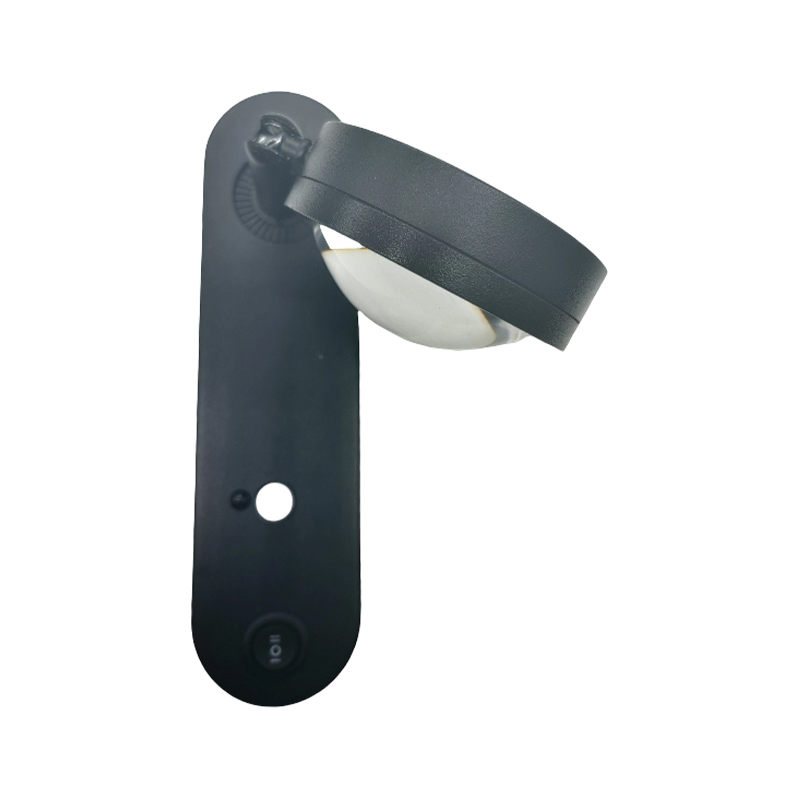
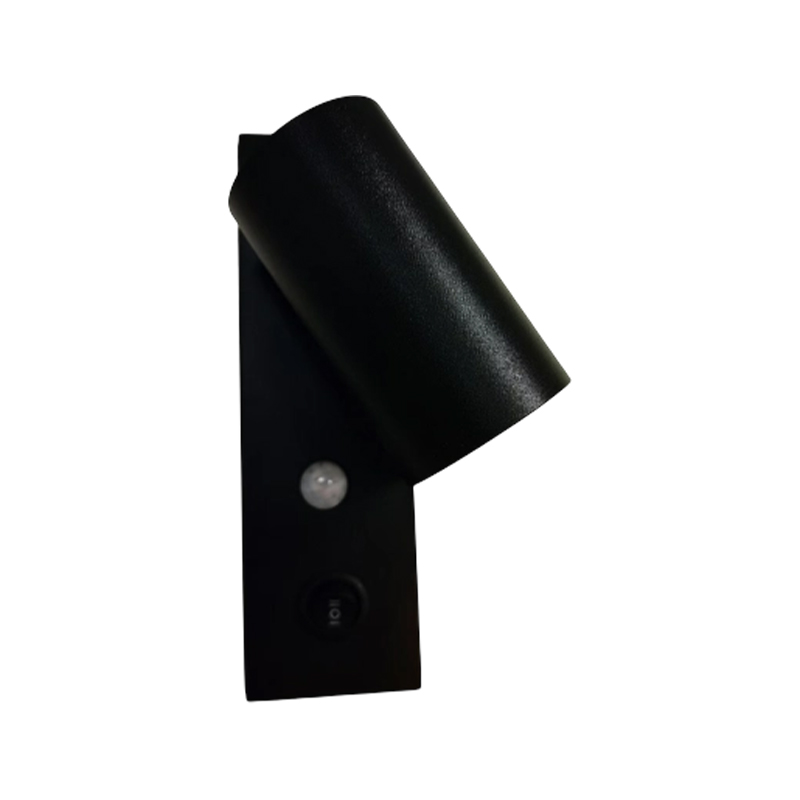
These fixtures come in several forms. A sconce directs light up, down, or in both directions. A wash fixture spreads a broad, even glow across a wall. An adjustable head can be aimed at a specific object. Some models use a backplate that conceals wiring, while others expose a bracket or a stem. The housing may be metal, glass, ceramic, or composite, and the finish can range from matte black to brushed brass.
Light source choice affects performance. Integrated LED arrays offer a slim profile and consistent color. Replaceable bulbs allow a change in output or tone over time. A diffuser softens the beam and reduces glare, which matters when the fixture sits at eye level. Beam angle, lumen output, and color temperature each shape the final effect.
Placement and Purpose
A wall light often serves a specific task. In a hallway, a series of fixtures at a consistent height can mark a path and reduce the need for overhead light. In a stairwell, a unit mounted near each landing supports safe footing. In a living room, a pair flanking a fireplace or a piece of art creates balance and draws the eye.
Bathrooms use these fixtures near mirrors, where a vertical light source can reduce shadows on the face. Bedrooms use them as reading lights beside a bed, freeing the nightstand of clutter. Commercial spaces use them to accent signage, columns, or reception walls. In each case, the fixture contributes to a layered lighting plan rather than carrying the entire load.
Design Details That Matter
Mounting height is a common point of discussion. A wall light placed too low can create glare; too high, and it may lose its purpose. Many installations set the center of the fixture at a comfortable eye level for the space, then adjust based on the beam pattern. The distance from the wall also matters, since a fixture that projects further can spread light across a wider area.
Switching and control add flexibility. A dimmer allows the fixture to shift from task lighting to ambient glow. A separate circuit lets one group of wall light units operate independently from ceiling lights. Some models include a motion sensor for corridors, while others pair with a central control system. These options help a space adapt to different times of day and different activities.
Materials and Visual Weight
Because a wall light sits at eye level, its appearance carries weight. A slim cylinder may recede into the background, while a sculptural form becomes a focal point. Glass shades catch and refract light, adding texture to a wall. Metal shades direct the beam and create a crisp edge. Fabric shades soften the output and bring a warmer tone.
Finish selection ties the fixture to the surrounding palette. Painted surfaces match trim and cabinetry, while metallic finishes echo hardware and plumbing fixtures. A consistent finish across a hallway or a lobby helps the space feel considered. Mixed finishes can work too, provided the contrast feels intentional.
Our Products //
Related Products
-
[email protected]

-
+86-18966108111 / +86-13325868369

-
No. 306, Building 13, Yanjiang Industrial Park, Linhai City, Taizhou, Zhejiang Province