

 English
  русский
  한국어
한국어  عربى
عربى Solar Street Light Enhances Evening Paths
Industry News-Evening Scenes with Solar Street Light
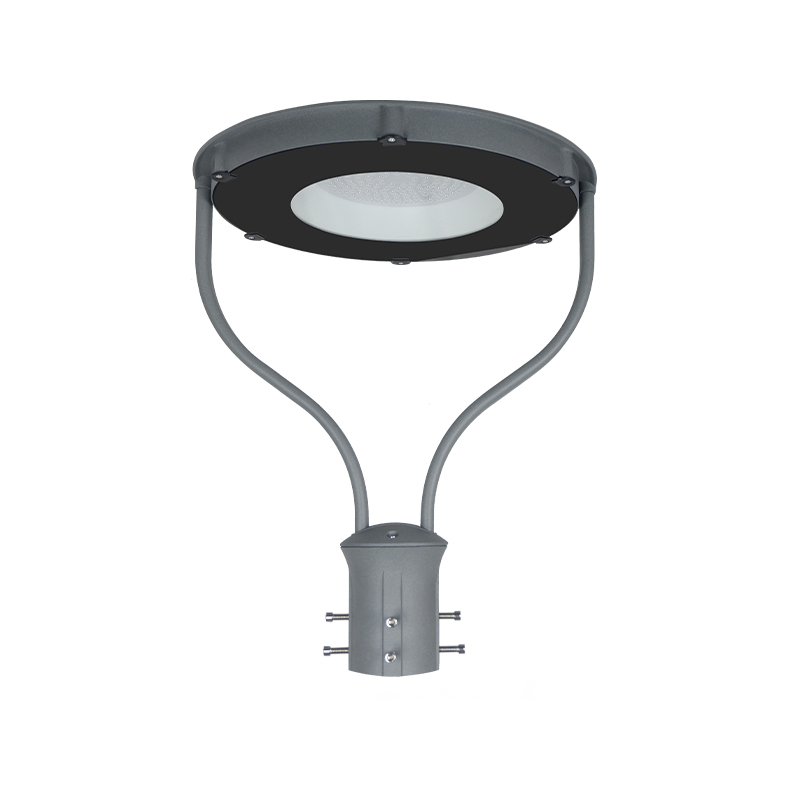
As daylight fades in residential areas, solar street light gradually turn on to guide residents along sidewalks and driveways. These fixtures stand quietly on poles, collecting energy during the day and providing illumination after sunset. Families notice the gentle glow that marks safe passage for evening walks and late returns home.
The presence of solar street light creates familiar landmarks in local parks and along quiet lanes. Neighbors often comment on how the lighting changes the feel of their streets once darkness settles.
How Solar Street Light Function
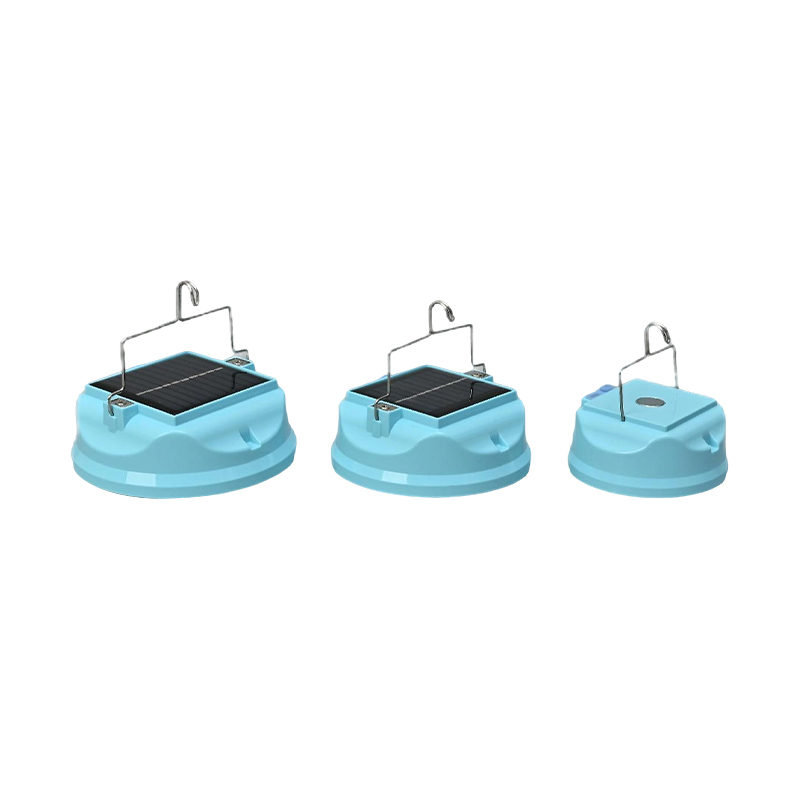
Solar street light operate through panels that capture sunlight and convert it into stored energy for later use. Built-in batteries release power to the lamps when sensors detect lower light levels at dusk. The cycle repeats daily, adjusting automatically to seasonal changes in daylight hours with smooth reliability.
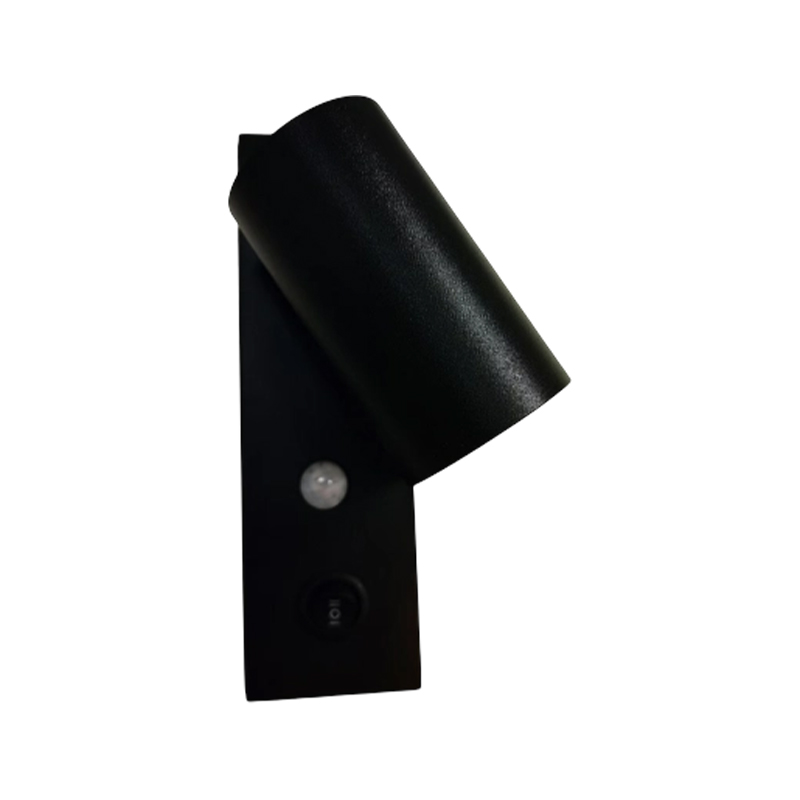
Many models include motion-sensing features that increase brightness when activity occurs nearby. This setup helps direct light where needed while managing overall energy use through the night in a practical way.
Solar Street Light in Residential Communities
Suburban developments install solar street light to mark intersections and pedestrian crossings. The fixtures help drivers navigate turns and allow children to play safely until dusk. Homeowner associations sometimes coordinate placements to maintain consistent coverage along shared paths.
Gated communities use solar street light near entrances and recreational facilities. The lighting supports security rounds and gives residents peace of mind during nighttime movement.
Applications Along Rural and Urban Roads
Country roads benefit from solar street light at curves and crossroads where utility connections may be limited. Travelers appreciate the markers that highlight potential hazards during long drives. Small towns place them in central squares and near community halls for gathering spots.
City pathways and bike trails incorporate solar street light to encourage active transportation after work hours. The fixtures illuminate routes without adding burden to existing electrical grids in those locations.
Solar Street Light in Parks and Recreation
Public parks feature solar street light along walking trails and near playground equipment. Visitors enjoy extended hours for outdoor activities as the lights activate in sequence with sunset. Benches and picnic areas gain visibility for relaxed evening conversations.
Sports fields use solar street light for casual games that continue into cooler hours. The even coverage supports friendly matches without complicated setup each time.
Everyday Impact Noticed by Users
Dog walkers appreciate solar street light that follow their regular routes through neighborhoods. Delivery personnel navigate addresses more confidently when streets have reliable illumination. The fixtures become background elements that support ordinary routines after dark.
Festival organizers incorporate existing solar street light into event planning for pop-up markets and holiday celebrations. The steady glow provides a foundation for additional decorative touches.
Solar street light continue to appear in diverse locations where reliable nighttime visibility adds value to shared spaces. Through their independent operation and thoughtful design, they help shape how people experience their surroundings once the sun goes down. From quiet residential blocks to active public areas, these lights play a steady role in guiding footsteps and connecting communities after hours.
Our Products //
Related Products




-
[email protected]

-
+86-18966108111 / +86-13325868369

-
No. 306, Building 13, Yanjiang Industrial Park, Linhai City, Taizhou, Zhejiang Province