

 English
  русский
  한국어
한국어  عربى
عربى Smart Lighting Sourcing for Commercial Projects
Industry News-What Counts as Smart Lighting
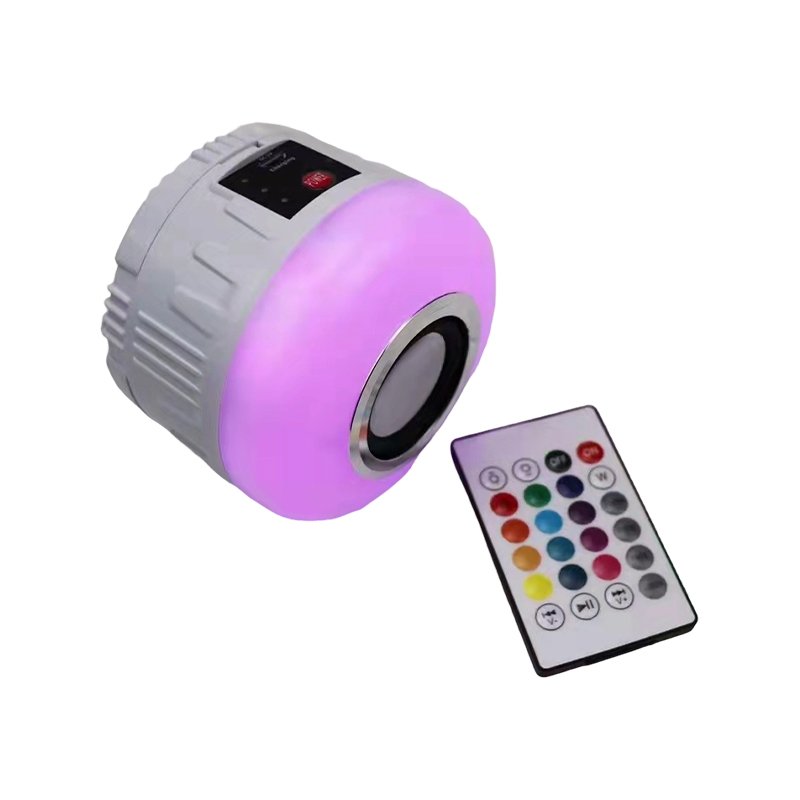
At its core, smart lighting refers to lighting fixtures or bulbs that can be controlled remotely, rather than only through a physical switch. This control usually happens through Wi-Fi, Bluetooth, or a dedicated hub, and it can include features like dimming, color adjustment, motion detection, and scheduling. Some systems operate as standalone products, while others integrate into broader building automation setups alongside HVAC or security systems.
The technology behind these systems varies depending on scale and application:
| System Type | Control Method | Common Setting |
| Smart Bulbs | App or voice control | Homes, small offices |
| Smart Switches/Dimmers | Wall-mounted, app-linked | Residential, retail |
| Networked Fixtures | Centralized hub or gateway | Commercial buildings |
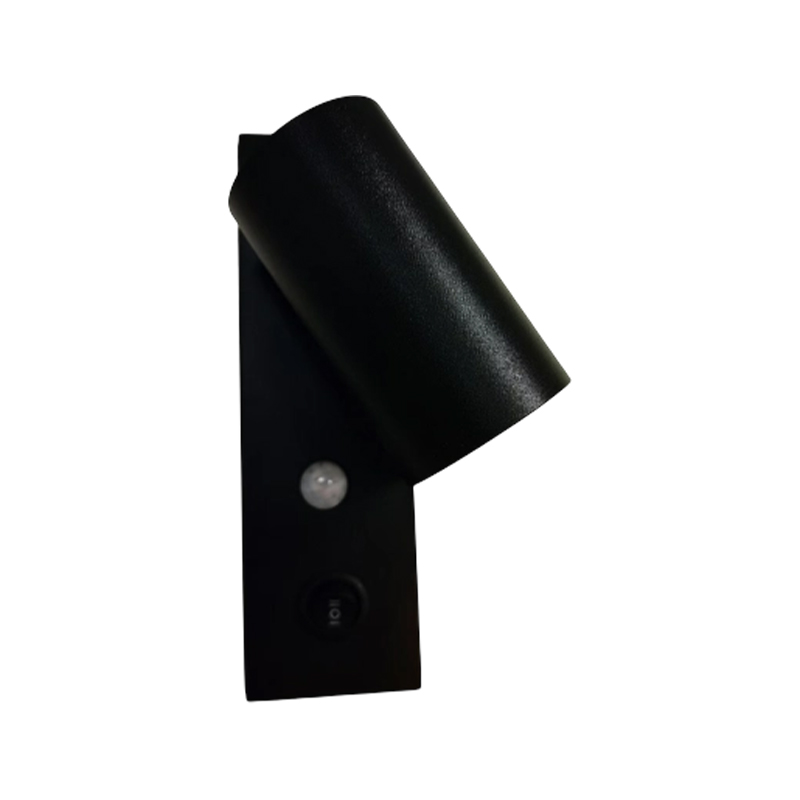
| Sensor-Based Lighting | Motion or daylight sensors | Warehouses, parking areas |
| Integrated Systems | Building management software | Large facilities, campuses |
Why Buyers Are Paying Attention
For commercial and industrial buyers, the appeal of smart lighting usually comes down to a few practical factors rather than novelty. Adjustable brightness and scheduling can help match lighting output to actual occupancy patterns, which matters in spaces like warehouses or parking structures where usage varies throughout the day. Centralized control also means facility managers can adjust settings across multiple zones without physically visiting each fixture.
For distributors and OEM buyers, smart lighting represents a growing category with a wide range of sub-products — controllers, sensors, drivers, and connectivity modules — that can be sourced separately or bundled into complete systems depending on the project scope.
Key Considerations When Sourcing
When comparing smart lighting suppliers or product lines, a few points tend to come up repeatedly in buyer conversations:
- Compatibility — whether products work with existing protocols (Wi-Fi, Zigbee, Bluetooth) already used in a facility or product ecosystem
- Scalability — how easily a system can expand from a handful of fixtures to hundreds across a larger building
- Control interface — whether the system pairs with common apps, voice assistants, or requires a proprietary hub
- Customization — availability of OEM or ODM options for private labeling or specific technical requirements
- Integration — how well the lighting system connects with other building systems already in place
These factors tend to matter more in day-to-day project planning than general marketing language, since they directly affect installation timelines and long-term usability.
Residential vs Commercial Applications
Smart lighting shows up differently depending on the setting. In residential use, the focus tends to be on convenience — dimming a room from a phone, setting a wake-up schedule, or syncing lights with music or movies. In commercial and industrial settings, the priorities shift toward zone-based control, sensor-driven automation, and integration with broader facility management platforms.
This distinction matters for buyers because a system built for a single household may not scale well for a warehouse or office complex, and vice versa. Suppliers who understand this difference are generally better positioned to recommend configurations that match the actual use case, rather than offering a one-size-fits-all product line.
Choosing the Right Fit
Not every smart lighting product line serves the same type of buyer. Some manufacturers focus on consumer-facing smart bulbs and switches, while others specialize in networked commercial systems with sensor integration and centralized control software. Buyers evaluating options generally benefit from clarifying their own project scale, control preferences, and integration needs before requesting quotes, since this helps identify suppliers whose product range actually matches the intended application.
Taking time to define these requirements early tends to simplify supplier comparisons and reduces the chance of mismatched expectations once a project moves into installation.
Our Products //
Related Products
-
[email protected]

-
+86-18966108111 / +86-13325868369

-
No. 306, Building 13, Yanjiang Industrial Park, Linhai City, Taizhou, Zhejiang Province