

 English
  русский
  한국어
한국어  عربى
عربى How Does A Wall Light Save Space On Nightstands?
Industry News-When people think about lighting a room, the first things that come to mind are usually ceiling fixtures or floor lamps. But there is another option that often gets overlooked: the wall light. A wall light, sometimes called a sconce, attaches directly to the wall. It does not take up floor space or sit on a table. This small difference can make a big impact in how a room looks and feels. Whether you are decorating a new home or just want to change the atmosphere in a single room, a wall light is worth considering.
One of the nice things about a wall light is its versatility. You can place it at different heights to serve different purposes. For reading in bed, a wall light mounted on each side of the headboard works well. It puts light right where you need it, without cluttering the nightstand. Many people find this more convenient than a table lamp that can get knocked over. In a living room, a wall light above a sofa or an armchair provides gentle illumination for relaxing with a book or a phone. The light does not shine directly into your eyes if the shade is designed well.
Another popular use for a wall light is highlighting something on the wall. Do you have a painting or a family photo that you want to show off? A small wall light aimed at the artwork draws attention to it. The same idea works for a decorative mirror or a shelf with collectibles. Unlike a ceiling light that spreads brightness everywhere, a wall light gives you focused light. This creates shadows and contrast that make objects look more interesting.
Hallways and staircases are places where a wall light really shines — no pun intended. These areas are often narrow, so a floor lamp would get in the way. A ceiling light might leave dark corners. By spacing a few wall lights along a hallway, you get even, pleasant light that guides the way. You can also use dimmer wall lights to create a soft glow for nighttime trips to the bathroom or kitchen. In a staircase, placing a wall light every few steps improves safety without being harsh.
Bathrooms are another good spot for a wall light. Instead of a single light above the mirror, which can cast shadows on your face, try placing a wall light on each side of the mirror. This lights the face evenly from both sides. It makes shaving, makeup application, or brushing teeth easier. Many bathroom wall lights are made with moisture‑resistant materials, but even basic models work fine if they are not directly in the splash zone.
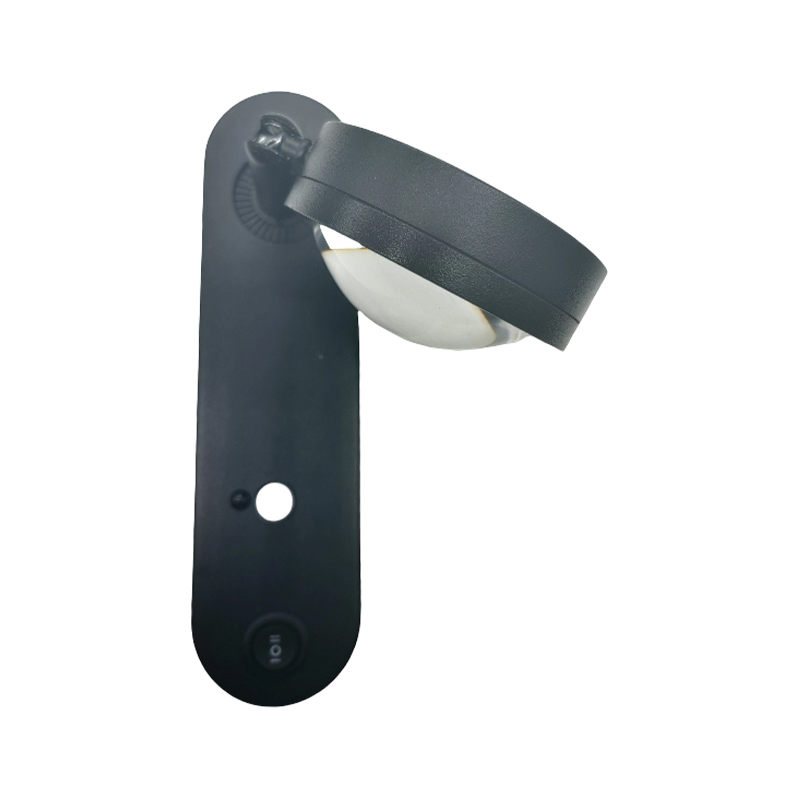
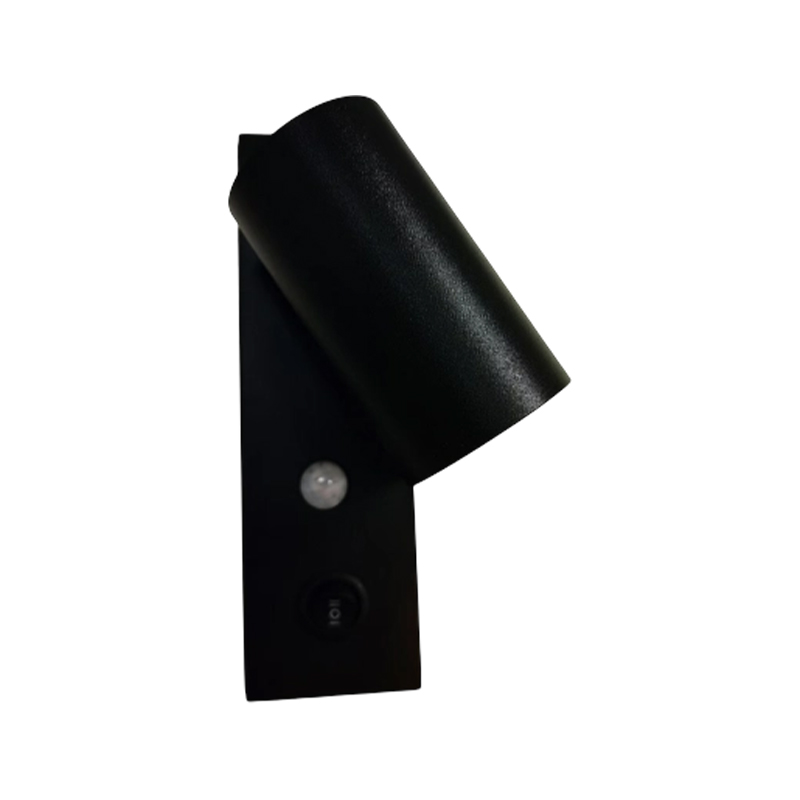
The design choices for a wall light are surprisingly wide. You can find simple round or rectangular shapes that blend into the wall. Or you can pick something more decorative, like a lantern style, a curved arm with a fabric shade, or a modern metal strip. The finish matters too — brushed nickel, matte black, brass, or white. The shade material affects how the light spreads. A glass shade throws light in many directions. A metal shade directs light up or down. Some wall lights have an adjustable head that you can tilt. Others are fixed.
One common question is whether a wall light provides enough brightness. That depends on the bulb and the room. For a hallway or a mood lighting application, a lower wattage LED bulb is fine. For reading or task lighting, choose a brighter bulb or a wall light with a larger shade. Many wall lights take standard bulbs, so you can change the brightness simply by swapping the bulb. Unlike hardwired fixtures, you have control.
Our Products //
Related Products
-
[email protected]

-
+86-18966108111 / +86-13325868369

-
No. 306, Building 13, Yanjiang Industrial Park, Linhai City, Taizhou, Zhejiang Province